Across the life sciences sector, a profound shift is underway. Biomanufacturing is poised to become a foundational pillar of how we will make things in the 21st century. Advances in bioreactor design, synthetic biology, and sustainable bioprocessing are enabling production methods that are cleaner and more efficient.
This transition is not only a scientific or industrial story. It is an economic one. Biomanufacturing represents an opportunity for regions and communities to build an entirely new life sciences cluster, but to do this requires skilled talent, specialized facilities, cross-sector collaboration, and intentional strategy. The regions that recognize this early and prepare for it will help shape what many are calling the bioindustrial economy of the next century.
This evolution is already visible in emerging companies developing bio-based materials, meat alternatives, and specialty chemicals such as Loop CO2 and SpadXTech locally. As these technologies mature, the need for places that can support pilot production, workforce training, and early commercialization will grow rapidly.
Here in Massachusetts, we have long been recognized for our world-class life sciences cluster, anchored by leading research institutions and a history of biomedical innovation. In recent years, Central Massachusetts has been building on that foundation through a coordinated Regional Biomanufacturing Strategy designed to position the area as a hub for this emerging field.
This strategy brings together government, economic development organizations, academic institutions, workforce partners, and industry leaders to focus on a shared goal: preparing the region for the needs of bioindustrial companies before those needs fully materialize at scale. In partnership with the Healey Driscoll Administration and our local partners, our region was recently designated as the Commonwealth’s Bioindustrial Manufacturing Tech Hub, and we are actively investing in the infrastructure to support this industry.
To prepare our community to welcome startups and established companies alike in need of biomanufacturing, we are focused on:
- Workforce training programs that prepare technicians, engineers, and operators for bioprocessing roles
- Strong connections between academia, industry, and economic development leaders
- Access to shared equipment and technical expertise, particularly expensive infrastructure out of reach to new founders
- An ecosystem that supports early-stage companies navigating the transition from research to manufacturing
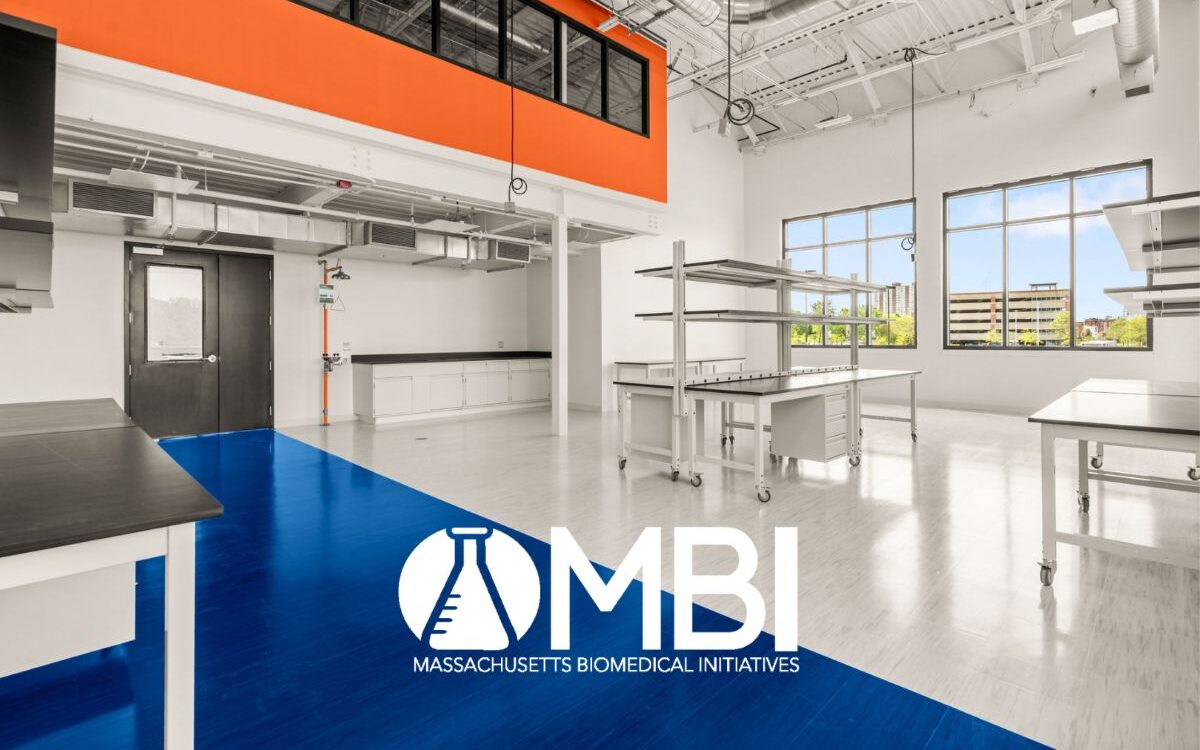
A central part of this effort is also ensuring that infrastructure keeps pace with innovation. Early-stage companies often face a critical gap when they outgrow traditional lab space but are not yet ready for full commercial manufacturing facilities. By investing in flexible spaces and shared resources, we are helping companies bridge this gap locally rather than leaving the region in search of suitable facilities.
Worcester’s experience offers lessons for other regions looking to participate in the bioindustrial future:
- Start with coordination. Bring stakeholders together around a shared understanding of what biomanufacturing requires.
- Invest early in flexible infrastructure. Waiting until demand peaks can mean losing companies to better-prepared regions.
- Prioritize workforce alongside facilities. Talent is as important as space.
- Support early-stage companies. Today’s startups are tomorrow’s anchor employers.
- Align with broader national trends. Leverage federal and state momentum around advanced and sustainable manufacturing.
Biomanufacturing is still emerging, but the window for preparation is now. Communities that act intentionally can help shape this industry rather than react to it. The bioindustrial revolution will change how we make things and where we make them. It offers the potential for more sustainable production, resilient supply chains, and new economic opportunity. But realizing that potential depends on communities being ready.
Author Profile
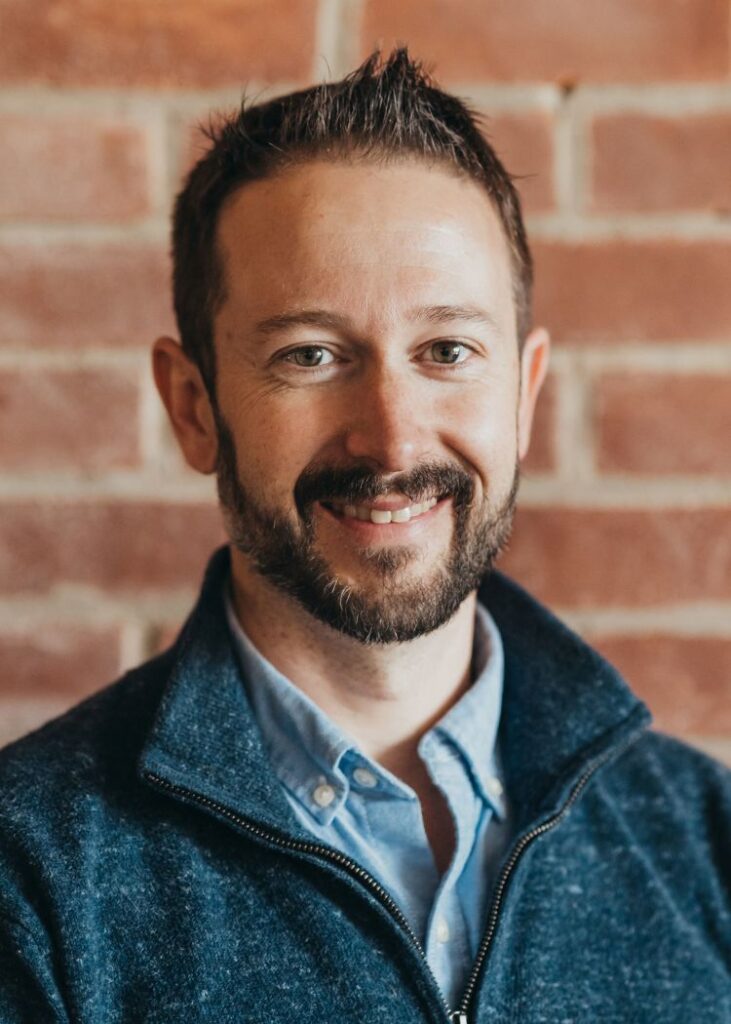
Jon Weaver, President and CEO of Massachusetts Biomedical Initiatives
Jon Weaver is President and CEO of Massachusetts Biomedical Initiatives (MBI), a non-profit focused on building the Central Massachusetts bio-cluster. Since 2000, MBI has helped launch over 197 companies, creating more than 1,800 jobs and generating a $2 billion economic impact. A former Vice President of Real Estate at MassDevelopment, Weaver is a leading voice in regional economic development and the expansion of the Central Massachusetts bio-cluster.