

Latest News

Brepocitinib Dermatomyositis Approval Breaks the Steroid-First Pattern
The brepocitinib dermatomyositis approval landed on 27 August 2026. It is the first shift in a treatment field that has barely moved in decades. The US Food and Drug Administration cleared LISRAYA, an oral dual TYK2 and JAK1 inhibitor, for adults with dermatomyositis....
Latest News

Why Preventive Foot Care Should Be Central to Diabetes Management
Podiatric input is still mostly reactive, despite the significant advancements in diabetes care in recent decades. All too frequently, patients are referred to podiatry only after infections or ulcers have already occurred. This reactive approach is expensive in terms...
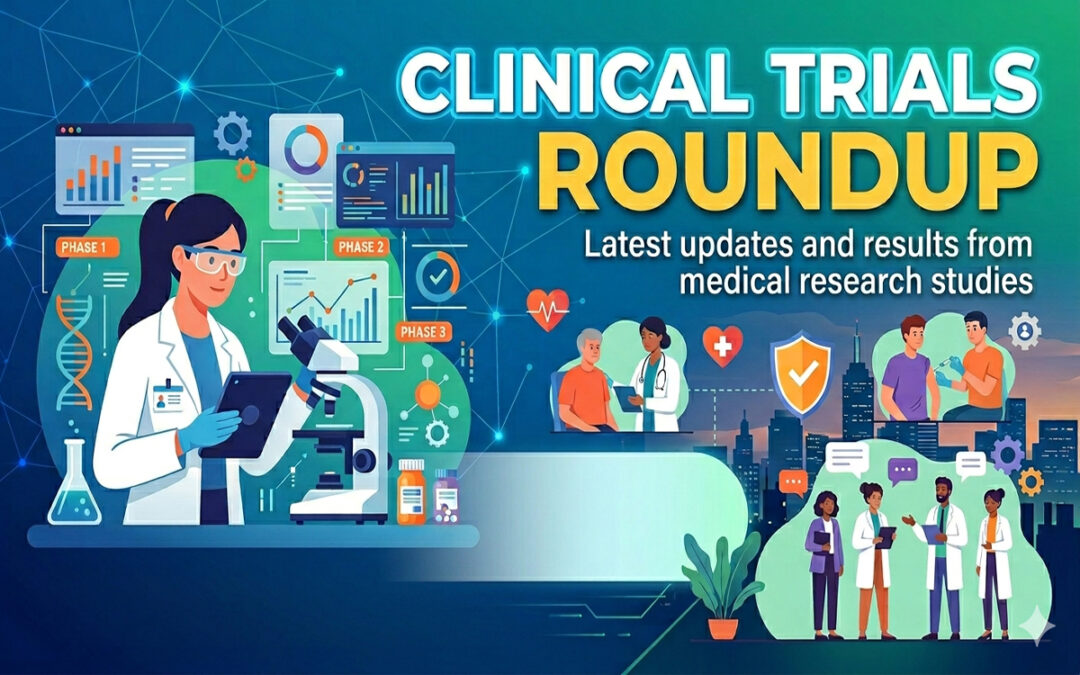
Clinical Trials Roundup | 28 Aug 2026
Revolution Medicines’ Rasonque receives FDA approval as what the FDA calls the first in class targeted therapy for metastatic pancreatic cancer, Priovant’s Lisraya is cleared as the first oral therapy indicated for dermatomyositis in adults, Johnson & Johnson’s...

From EHR Data to Real-World Evidence: Health IT Meets R&D
For most of their existence, electronic health records have been treated as administrative infrastructure, a place to document a visit, justify a claim and satisfy a compliance requirement. That framing no longer reflects their potential. The same records that...

Daraxonrasib FDA Approval Sets a New Bar in Pancreatic Cancer
The daraxonrasib FDA approval, granted on 26 August 2026, gives metastatic pancreatic cancer its first approved targeted therapy. Revolution Medicines will sell the drug as Rasonque. The agency cleared it roughly six and a half months ahead of its goal date. For an...
Join The Future Of Life Sciences Media
In a world overflowing with information, LifeScienceDaily.news stands apart as the dedicated space where life sciences professionals share what’s new, what’s next, and why it matters — all in real time.
Don’t wait for the media to pick up your story. Be the media.
Trending




More News

When Meditation Meets the Page: Can Writing Help Us Understand the Mind?
Meditation may help us observe an experience without immediately reacting to it. Expressive writing may help us give that experience language, structure and meaning. What happens when we stop trying to escape an uncomfortable thought or emotion and instead observe it...

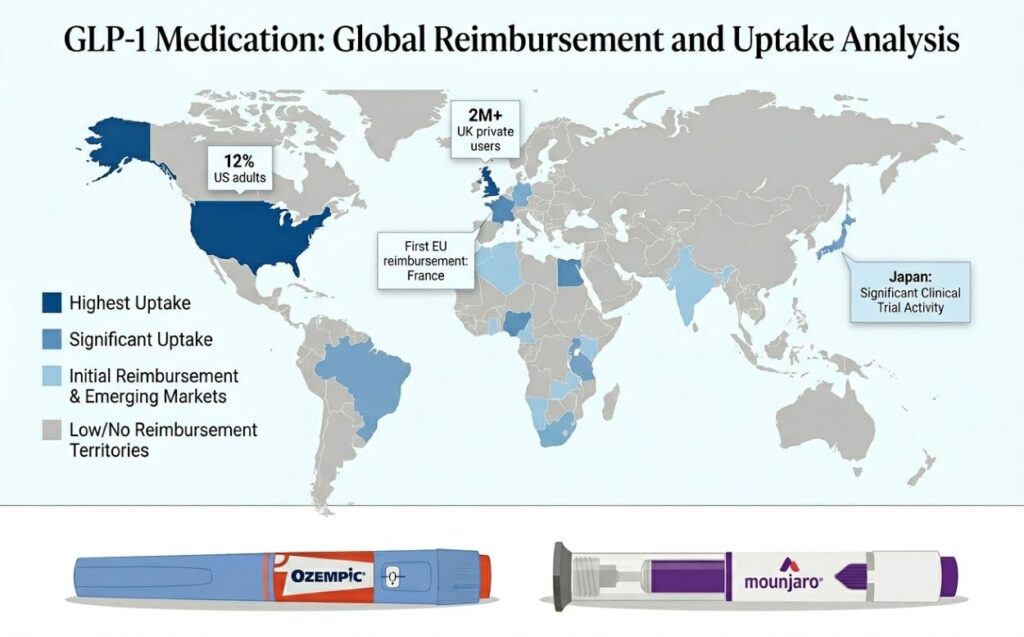
Oral GLP-1 Manufacturing: Can Supply Meet Demand?
Oral GLP-1 manufacturing is now the binding constraint in obesity, not patient acceptance. The question is peptide capacity, tabletting lines and capital committed ahead of demand. Two weight loss tablets have reshaped the obesity market in under a year. Novo...

Zanidatamab Approval Resets First-Line HER2 Gastric Cancer Care
The US Food and Drug Administration cleared two zanidatamab regimens on 25 August 2026. The zanidatamab approval covers first-line treatment of HER2-positive advanced gastro-oesophageal adenocarcinoma. It displaces trastuzumab from a first-line backbone that has...

Leverage Trauma-Informed Care to Enhance Adherence to Safety Interventions
Patient trauma can have a significant impact on the ways in which patients interact with the healthcare environment and with its staff. Many patient behaviors can stem from trauma, including lack of adherence to care plans. In the context of patient safety,...

Robotic Gastrectomy Outperforms Laparoscopic Surgery in Japanese Study
Robotic gastrectomy delivers measurably better perioperative outcomes than conventional laparoscopic surgery for gastric cancer, according to a nationwide analysis of Japanese surgical practice covering more than 22,000 patients. Gastric cancer is the fifth most...
Roche Backs Lean Mass Preservation With $2.3bn Hanmi Obesity Deal
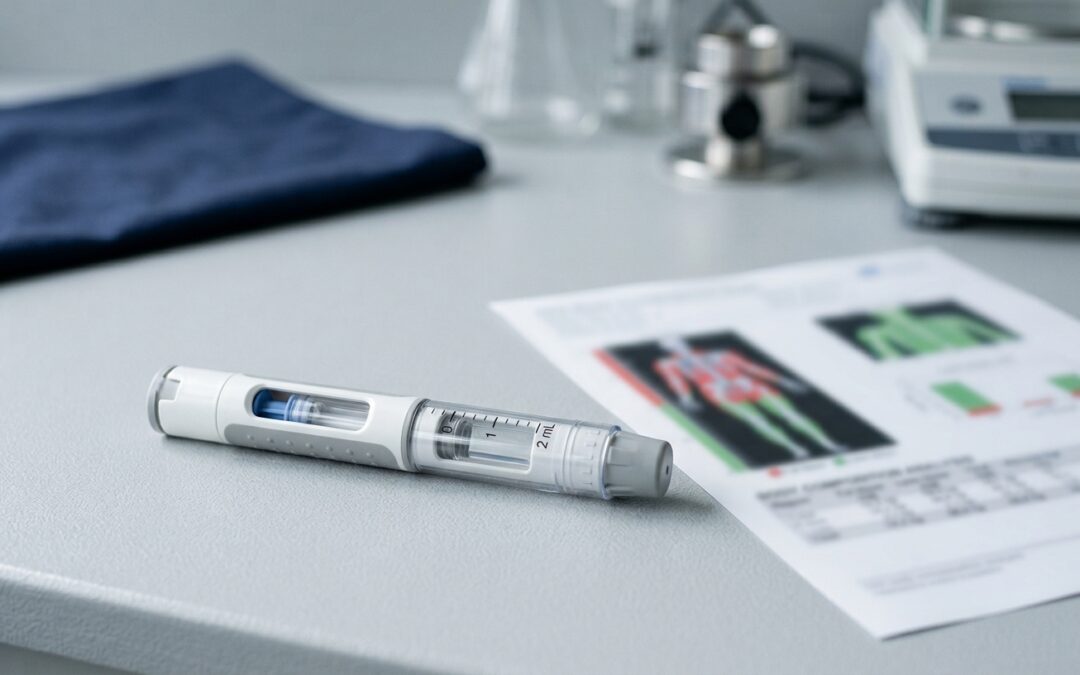
Roche has placed a fresh bet on lean mass preservation, the most contested new frontier in obesity drug development. On 24 August 2026, its Genentech unit licensed an experimental candidate from South Korea’s Hanmi Pharmaceutical. The drug, HM17321, is designed to...
How Sustainability Can Become a Competitive Advantage in Biomanufacturing
Sustainability has become an expectation across the life sciences industry. Regulations are evolving, customers expect more from suppliers, and companies are making increasingly ambitious environmental commitments. Compliance has helped create a common baseline for...

Obesity Drug News: GLP-1 Readouts and Approval Watch
This page is the running record of obesity drug news at Life Science Daily News. It tracks what moved in the obesity and GLP-1 pipeline each month. Entries cover trial readouts, regulatory filings, approvals and label expansions. New entries are added monthly, with...
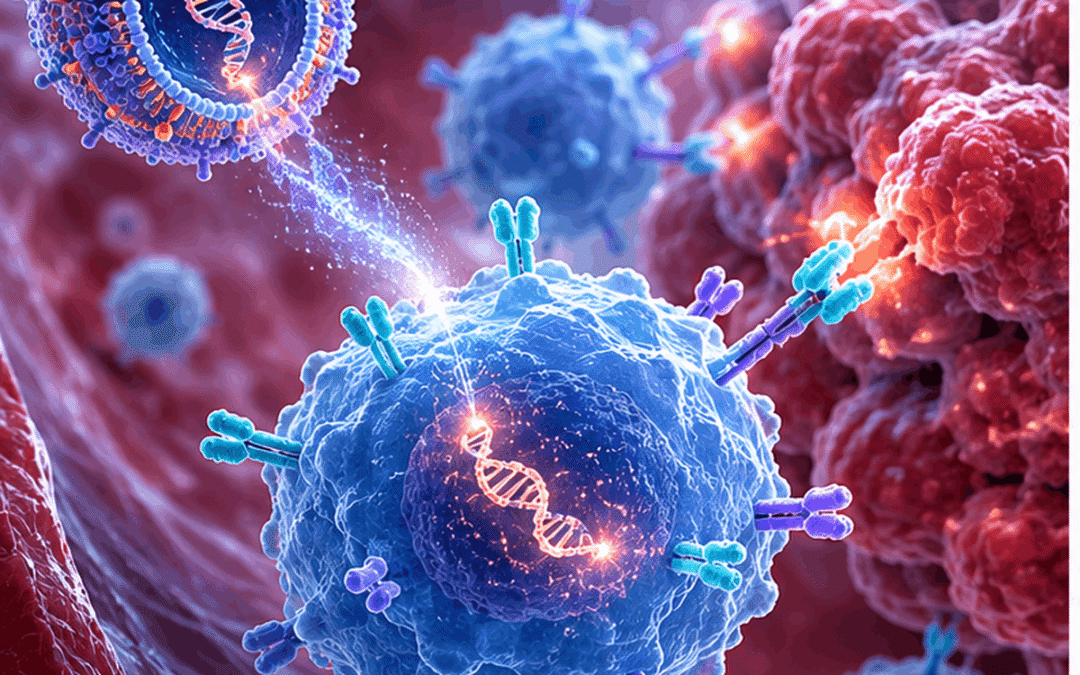
Creative Biolabs’ CAR Engineering: Moving Cell Programming Inside the Body
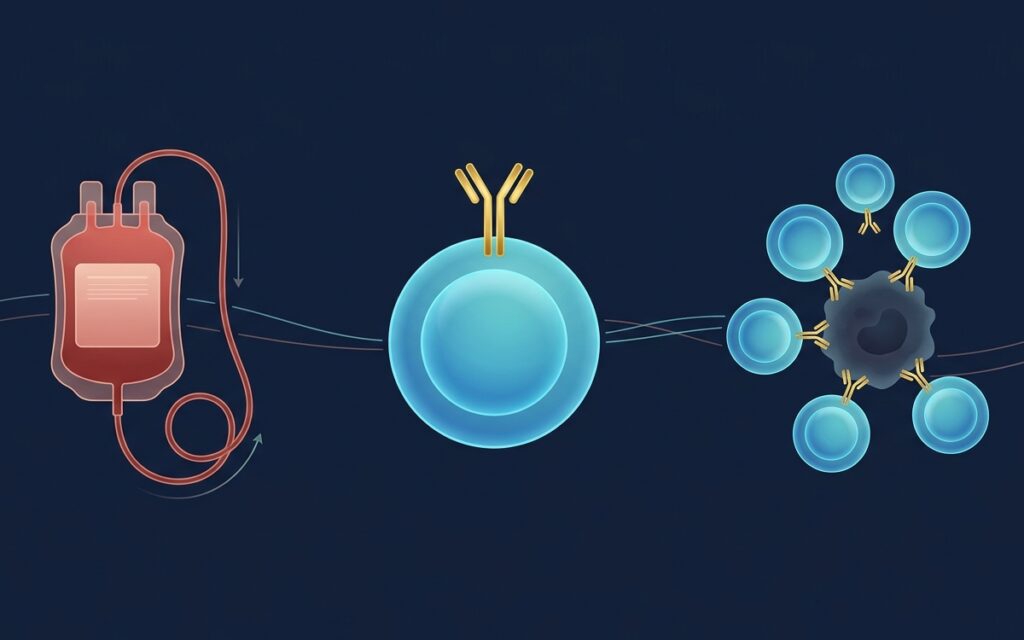
CAR cell therapy has demonstrated that immune cells can be genetically programmed to recognize and attack disease-associated targets. Yet conventional CAR-T therapy generally depends on an elaborate ex vivo workflow involving cell collection, genetic modification,...

Genglycos Gene Therapy Approval Sets New Bar for Rare Metabolic Disease
The Genglycos gene therapy approval gives patients with glycogen storage disease type Ia a new option. The FDA describes it as the first approved treatment for the condition. It is designed to address the underlying cause. The US Food and Drug Administration granted...

AI-Discovered Drugs in 2026: The State of Play
Rentosertib reaches Phase III, Isomorphic Labs raises $2.1 billion, and the EU defers its high-risk AI deadlines. What is still missing for AI-discovered drugs is an approval. AI-discovered drugs entered a different phase in 2026. One molecule has now reached a Phase...

Why Ingredient Research Is Only the Beginning of a Health Product
I spent years formulating low-carbohydrate, low-calorie, high-protein and gluten-free foods. That work taught me a lesson that is easy to miss when a new ingredient has exciting research behind it: an ingredient is not a finished product. A study can tell you that an...
When Meditation Meets the Page: Can Writing Help Us Understand the Mind?
Meditation may help us observe an experience without immediately reacting to it. Expressive writing may help us give that experience language, structure and meaning. What happens when we stop trying to escape an uncomfortable thought or emotion and instead observe it...
Oral GLP-1 Manufacturing: Can Supply Meet Demand?
Oral GLP-1 manufacturing is now the binding constraint in obesity, not patient acceptance. The question is peptide capacity, tabletting lines and capital committed ahead of demand. Two weight loss tablets have reshaped the obesity market in under a year. Novo...
Zanidatamab Approval Resets First-Line HER2 Gastric Cancer Care
The US Food and Drug Administration cleared two zanidatamab regimens on 25 August 2026. The zanidatamab approval covers first-line treatment of HER2-positive advanced gastro-oesophageal adenocarcinoma. It displaces trastuzumab from a first-line backbone that has...
Leverage Trauma-Informed Care to Enhance Adherence to Safety Interventions
Patient trauma can have a significant impact on the ways in which patients interact with the healthcare environment and with its staff. Many patient behaviors can stem from trauma, including lack of adherence to care plans. In the context of patient safety,...
Robotic Gastrectomy Outperforms Laparoscopic Surgery in Japanese Study
Robotic gastrectomy delivers measurably better perioperative outcomes than conventional laparoscopic surgery for gastric cancer, according to a nationwide analysis of Japanese surgical practice covering more than 22,000 patients. Gastric cancer is the fifth most...
Roche Backs Lean Mass Preservation With $2.3bn Hanmi Obesity Deal
Roche has placed a fresh bet on lean mass preservation, the most contested new frontier in obesity drug development. On 24 August 2026, its Genentech unit licensed an experimental candidate from South Korea’s Hanmi Pharmaceutical. The drug, HM17321, is designed to...
How Sustainability Can Become a Competitive Advantage in Biomanufacturing
Sustainability has become an expectation across the life sciences industry. Regulations are evolving, customers expect more from suppliers, and companies are making increasingly ambitious environmental commitments. Compliance has helped create a common baseline for...
Obesity Drug News: GLP-1 Readouts and Approval Watch
This page is the running record of obesity drug news at Life Science Daily News. It tracks what moved in the obesity and GLP-1 pipeline each month. Entries cover trial readouts, regulatory filings, approvals and label expansions. New entries are added monthly, with...
Creative Biolabs’ CAR Engineering: Moving Cell Programming Inside the Body
CAR cell therapy has demonstrated that immune cells can be genetically programmed to recognize and attack disease-associated targets. Yet conventional CAR-T therapy generally depends on an elaborate ex vivo workflow involving cell collection, genetic modification,...
Genglycos Gene Therapy Approval Sets New Bar for Rare Metabolic Disease
The Genglycos gene therapy approval gives patients with glycogen storage disease type Ia a new option. The FDA describes it as the first approved treatment for the condition. It is designed to address the underlying cause. The US Food and Drug Administration granted...
AI-Discovered Drugs in 2026: The State of Play
Rentosertib reaches Phase III, Isomorphic Labs raises $2.1 billion, and the EU defers its high-risk AI deadlines. What is still missing for AI-discovered drugs is an approval. AI-discovered drugs entered a different phase in 2026. One molecule has now reached a Phase...
Why Ingredient Research Is Only the Beginning of a Health Product
I spent years formulating low-carbohydrate, low-calorie, high-protein and gluten-free foods. That work taught me a lesson that is easy to miss when a new ingredient has exciting research behind it: an ingredient is not a finished product. A study can tell you that an...
Featured Articles



Further News
Weekly News Roundup | 24 August 2026
Life science news 24 August 2026: the FDA clears Regeneron’s Pasatru for an ultra-rare bone disorder and grants Ultragenyx the first gene therapy for glycogen storage disease type Ia, authorises the first standalone robotic blood-draw device, and the MHRA opens a...

The Role of Ambient AI in the Future of Specialty Care
For over a decade, the administrative burden in specialty medicine has quietly worsened. Orthopedic surgeons doing 40 patients a day are spending more time in the EHR than in the room. Ambient AI scribes have changed that equation in ways that are only beginning to...

Intismeran Autogene Phase 3 Win Moves Cancer Vaccines to Logistics
Merck and Moderna have reported what they describe as the first positive Phase 3 result for an individualised cancer therapy. Intismeran autogene, given with pembrolizumab, met its primary endpoint in resected melanoma. The companies announced the outcome on 19 August...
APAC Biopharma in 2026: Asia’s Shift From Supplier to Source
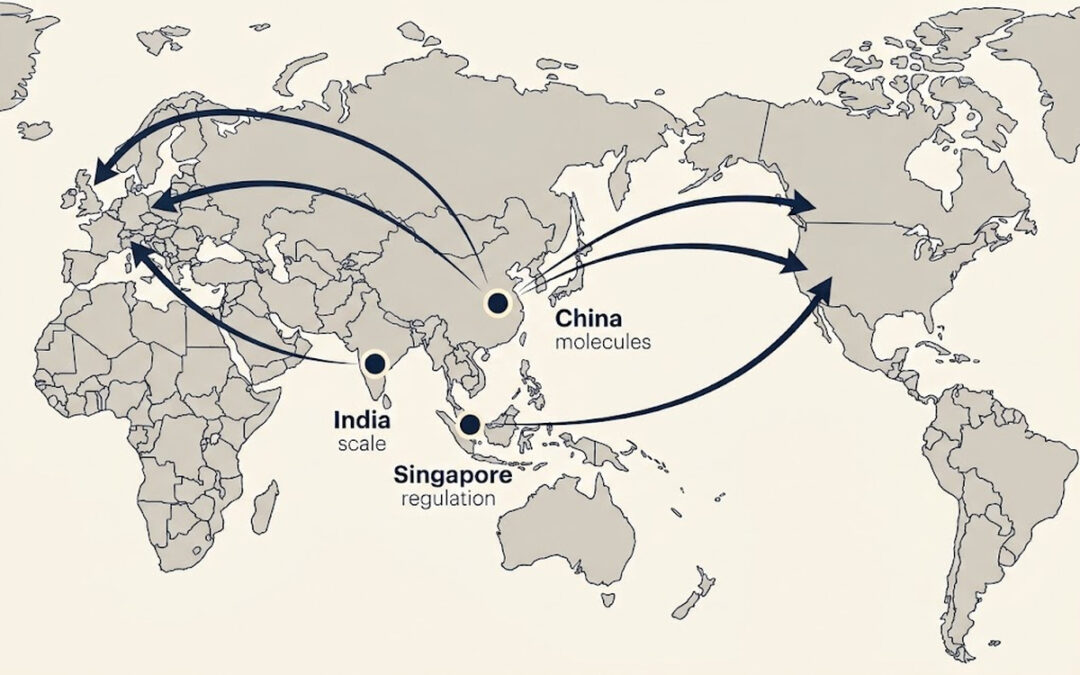
APAC biopharma has stopped being a cost line in somebody else’s budget. For two decades the region supplied ingredients, capacity and inexpensive trial sites. The companies that used them were headquartered elsewhere. That relationship has now inverted. The clearest...

Beyond the Benchmark: A Four-Layer Framework for Evaluating Healthcare AI
Healthcare AI is often evaluated where it is easiest to measure: on a dataset. Accuracy, sensitivity, specificity, calibration, retrieval quality, hallucination rates and task-completion scores all matter. But they answer only the first question: can the model perform...

The Next Era of Cardiorenal Care Is Precision Fluid Management
Medicine has become increasingly specialized over the past several decades, driving tremendous advances in our ability to diagnose and treat complex diseases. Specialists now possess deeper expertise than ever before, allowing clinicians to deliver highly targeted...
Clinical Trials Roundup | 21 Aug 2026
Merck and Moderna’s intismeran autogene meets its primary endpoint in the Phase 3 INTerpath-001 trial in completely resected melanoma, Ultragenyx’s Genglycos receives FDA accelerated approval as the first treatment for glycogen storage disease type Ia, argenx’s...

The Ketogenic Diet: Why Long-Term Safety Deserves Greater Scrutiny
The ketogenic diet has transitioned from a highly specialized therapeutic intervention to a widely promoted dietary strategy for weight loss, metabolic health, inflammation, and, in some circles, cancer prevention or treatment. Its popularity has outpaced the strength...

Human-in-the-Loop or Human-on-the-Loop? Pharma’s AI Authority Test
“But what can this AI model actually do?” It’s a common question being asked across the life sciences industry. Can it classify a symptom, summarize a trial record, predict a molecule’s behavior, or monitor a manufacturing process? Those capabilities matter, but they...

Physical Activity and Dementia: The Evidence Base Is Uneven
The link between physical activity and dementia depends on where that activity happens, according to a meta analysis of 74 studies covering more than four million adults. Leisure time exercise was associated with a lower risk of dementia, while activity undertaken at...

The Next Recruitment Challenge Isn’t Awareness, It’s Qualification
For years, the clinical research industry has focused heavily on one question: How do we reach more patients? Digital advertising, social media campaigns, patient advocacy partnerships, and online recruitment platforms have dramatically expanded researchers' ability...

From Digital Transformation to Operational Intelligence in Healthcare
Healthcare has never really had a technology problem. The greater challenge has been turning technology into better ways of working. Over the past decade, healthcare organizations have invested heavily in electronic health records, digital services, automation,...
Further News
Want to Be Part of the Next Chapter in Life Sciences Media?
LifeScienceDaily.news is building a new kind of platform where innovators, researchers, and industry leaders tell their own stories and shape the narrative of what’s next in life sciences. Share your story and lead the conversation.
Don’t wait for the media to pick up your story. Be the media.
See More Articles








Want to Be Part of the Next Chapter in Life Sciences Media?
LifeScienceDaily.news is building a new kind of platform where innovators, researchers, and industry leaders tell their own stories and shape the narrative of what’s next in life sciences. Share your story and lead the conversation.