Spinal cord injuries remain one of the most challenging conditions in modern medicine. Damage to the spinal cord often leads to permanent paralysis, loss of sensation, and a dramatic decline in quality of life. For decades, treatment options have been limited to...
Basecamp Research Debuts World’s First AI for Programmable Gene Insertion
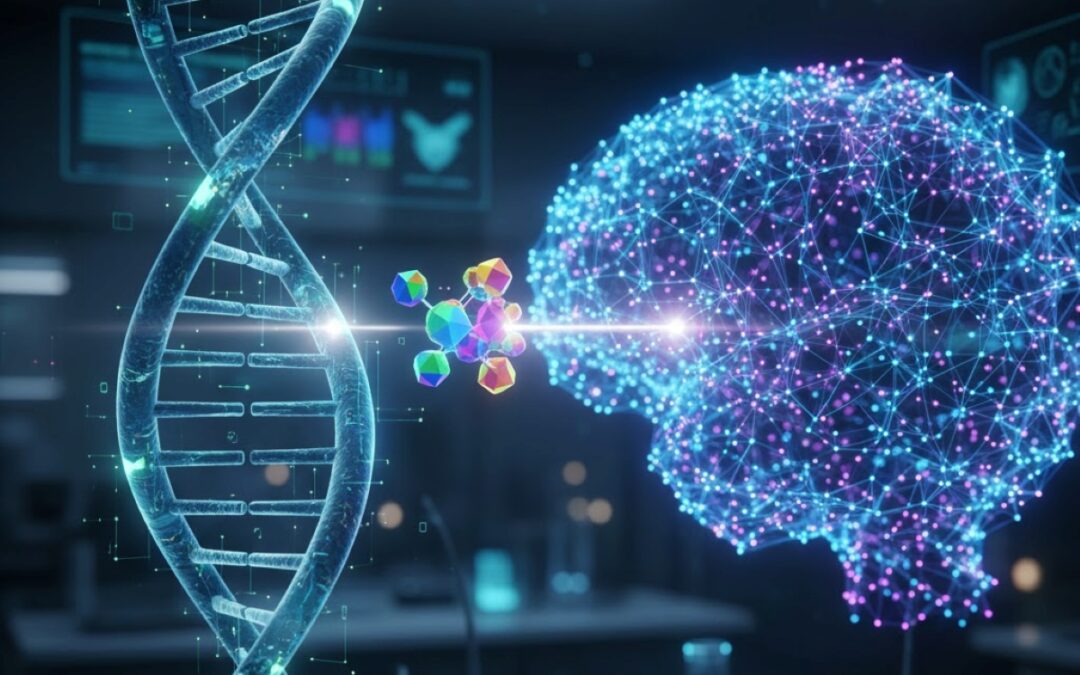
Basecamp Research, a frontier AI lab harnessing evolution to design new medicines, today announced the first AI models capable of programmable gene insertion, offering a new way to replace faulty genes and reprogram cells for therapeutic use. Trained in collaboration...
Peptide and Biomolecule Research Bridges Consumer and Clinical Innovation
Peptides are no longer confined to the margins of biomedical research. Once viewed primarily as niche tools for probing biological pathways or as incremental drug candidates, peptides and related biomolecules are now emerging as a central pillar of innovation across...
Lego for Biotech Labs
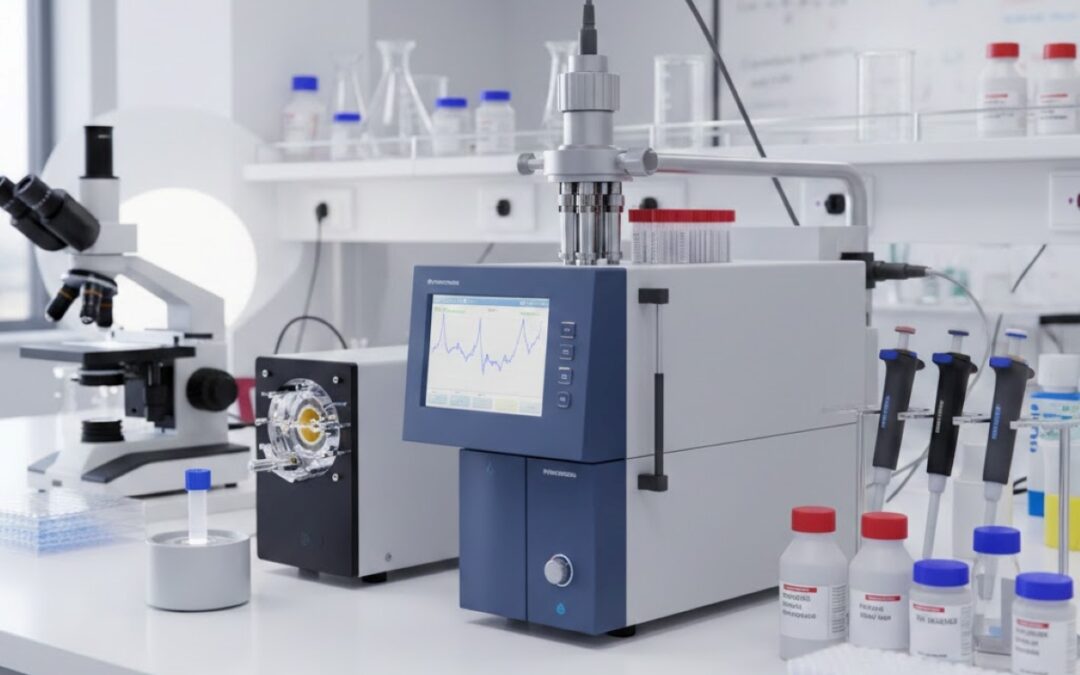
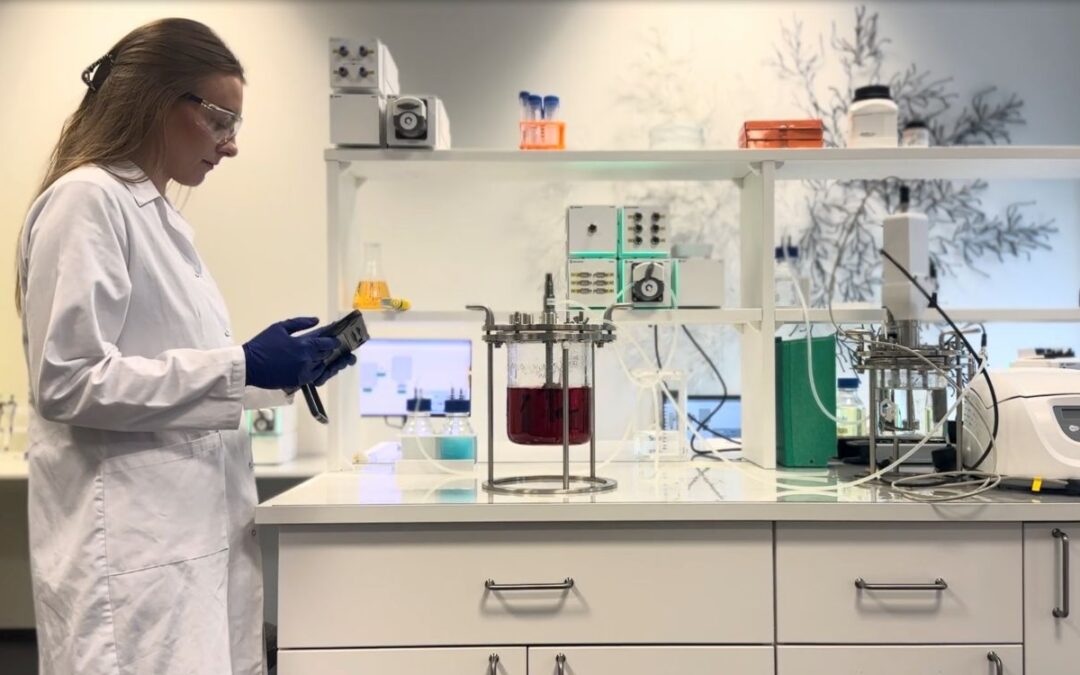
How Modular Hardware Is Breaking Decades of Vendor Lock-In There’s a running joke among biotech lab managers that goes something like this: You don’t buy a bioreactor. You buy a relationship. A very expensive, very locked-in relationship. It’s funny because it’s...
The Boom in Life Sciences in India
India is emerging as one of the most dynamic life sciences markets in the world. Long recognised for its strength in pharmaceuticals and generics, the country is now experiencing a broader life sciences boom that spans biotechnology, vaccines, medical devices,...
Windward Bio Strikes $700M Licensing Deal for Qyuns Immunology Bispecific
Swiss biotechnology company Windward Bio has entered into a significant licensing agreement with Chinese biotech Qyuns Therapeutics, securing rights outside China to a clinical stage immunology bispecific antibody known as WIN027, also referred to as QX027N. The...
A Milestone in Rare Disease Genomics
Why popEVE Matters Interpreting missense variants has long been one of the most persistent challenges in clinical genetics. These single–amino-acid substitutions can subtly alter protein structure or function, yet their effects are often context-dependent and...
Brain Cell Communication at the Molecular Level
Brain Cell Communication at the Molecular Level Neural communication isn’t abstract, it’s a sequence of tightly regulated biophysical events. Ion gradients shift, channels open and close with millisecond precision, calcium signals trigger chemical release, and...
Bacterial Movement Beyond Flagella: Surprising New Mechanisms Uncovered
Emerging Evidence of Alternative Motility For decades, scientists have believed that bacterial movement relied almost entirely on the rotation of whip-like flagella, which propel cells through liquids or across surfaces. However, new research has revealed that some...
The Passing of a Scientific Giant: James D. Watson
Renowned molecular biologist James D. Watson has died at the age of 97, his son and the Cold Spring Harbor Laboratory (CSHL) in New York confirmed. The scientist, best known for co-discovering the double helix structure of DNA in 1953, passed away following a brief...
The Rise of Cell and Gene Therapy Hubs Across Northern England
The life sciences landscape in northern England is undergoing a dynamic evolution, driven by the growing importance of advanced therapies such as cell and gene treatments. These innovative approaches, which aim to treat or cure diseases by intervening at the level of...
Rewriting the MND Playbook
How AI and Biomarkers Are Accelerating the Fight Against Motor Neurone Disease Every ninety minutes in the United Kingdom, someone receives a diagnosis of Motor Neurone Disease (MND), also known as Amyotrophic Lateral Sclerosis (ALS), and every ninety minutes, someone...
Challenges in Life Sciences Real Estate
The commercial real estate market serving the life sciences industry is currently undergoing a complex period of adjustment. The underlying dynamics that once propelled rapid growth, such as enthusiastic venture capital, strong demand from biotech and pharmaceutical...
Age Related T Cell Changes Weaken Vaccine Response in Older People
As the population ages, one of the major challenges facing public health is that vaccines tend to become less effective in older adults. A growing body of research increasingly points to specific changes in T cells, critical components of the immune system, as a key...
ProImmune Introduces ProVE SL Monomers to Boost T Cell Research
ProImmune has launched its new ProVE SL (Self-Loading) MHC Class I monomers, positioning these reagents as a next-generation tool for researchers studying antigen-specific CD8+ T cells. The announcement highlights the company’s aim to accelerate T cell research by...