When we say "diamonds," most people think of a luxurious necklace or a super sparkly ring. A research lab would be the last place people imagine them being used. Interestingly, natural diamonds are getting a lot of attention in science and healthcare research. And...
New Report Highlights Why CGTs Still Struggle at Market Access
Cell and gene therapies are approved — so why aren’t they reaching patients? New industry report warns access systems — not science — are now the primary bottleneck A new report from Phacilitate argues that the biggest threat to cell and gene therapy (CGT) expansion...
How to Move Faster Without Losing Scientific Rigor or Compliance
Life science organizations are under pressure to do two things at once: communicate complex science with precision and keep pace with a digital market that moves in days, not quarters. This tension defines one of the most consequential challenges in modern life...
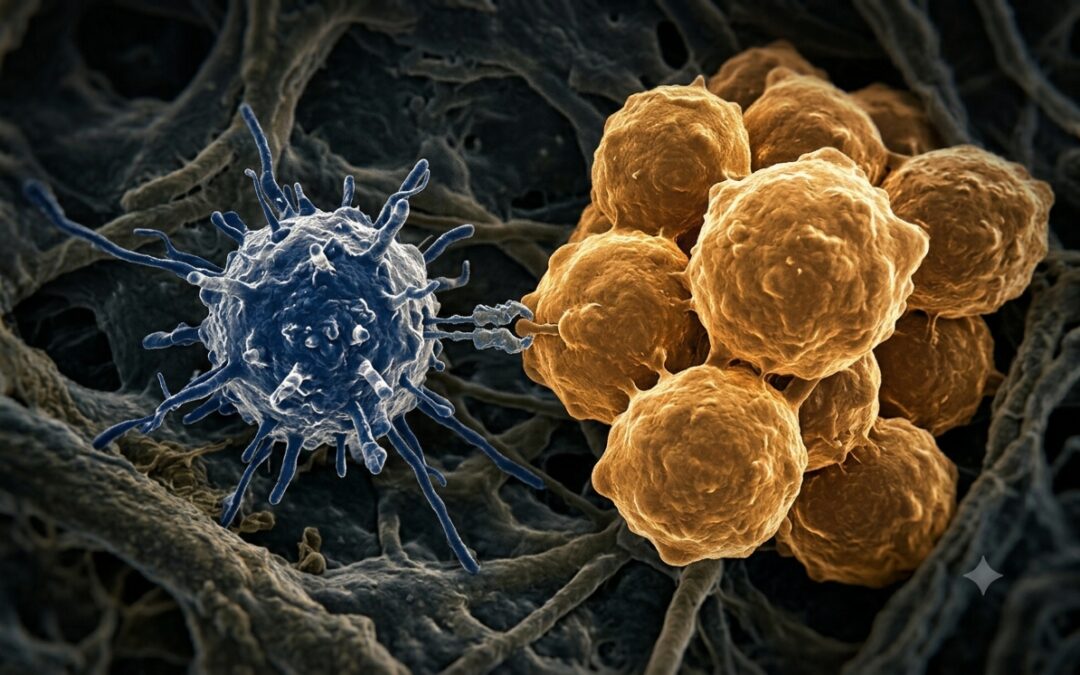
HIV Treatment Revolution: Infected Cells Now Trigger Their Own Elimination
Imagine a virus so cunning it hides in your body's own cells, evading detection for decades while you take daily pills just to keep it at bay. That's the reality for nearly 40 million people living with HIV worldwide. But what if we could flip the script—turning those...
Making Pre-Commercial Marketing Technology Work Under Launch Pressure
In pre-commercial life sciences environments, marketing technology (MarTech) platforms are often implemented well before launch. Teams select, configure, and integrate systems quickly, expecting campaigns to perform flawlessly. But small gaps in governance, ownership,...
Thermo Fisher Scientific Opens New Distribution Center in Ireland
70,000 sq. ft. facility expands the company's biopharma, chemical and cold chain storage capacities DUBLIN, Ireland, (March 6, 2026) - Thermo Fisher Scientific Inc, the world leader in serving science, today announced the opening of a new, 70,000 sq.ft. distribution...
Five Big Shifts Redefining the Future of Cell and Gene Therapy
Marking its success San Diego debut earlier this month, Phacilitate’s Advanced Therapies Week (ATW), brought together leaders, innovators, and industry stakeholders from around the world for a dynamic showcase of progress in cell and gene therapies (CGT). From...
Paving the Way in Telomere Biology: The Research of Dr. Kelly Nguyen
Kelly Nguyen is a molecular biologist and Group Leader in the Structural Studies Division at the MRC Laboratory of Molecular Biology (LMB), where her research aims to uncover how telomeres are structured, maintained and regulated by the enzyme telomerase. Telomeres...
Breaking Silos: How AI Agents are Standardizing Drug Discovery
In the pharmaceutical industry, the statistics of failure are so familiar they have become clichés: it takes ten years and two billion dollars to bring a new drug to market, with a failure rate in clinical trials hovering near 90%. While much of this attrition is...
From Hype to Hard Science: Unlocking MSC Therapy’s Promise
After decades of promise and setbacks, advanced manufacturing platforms and robust Phase 2/3 trials are demonstrating whether MSCs can deliver transformative treatments for high-burden diseases Mesenchymal stromal cells (MSCs) have been called the most promising...
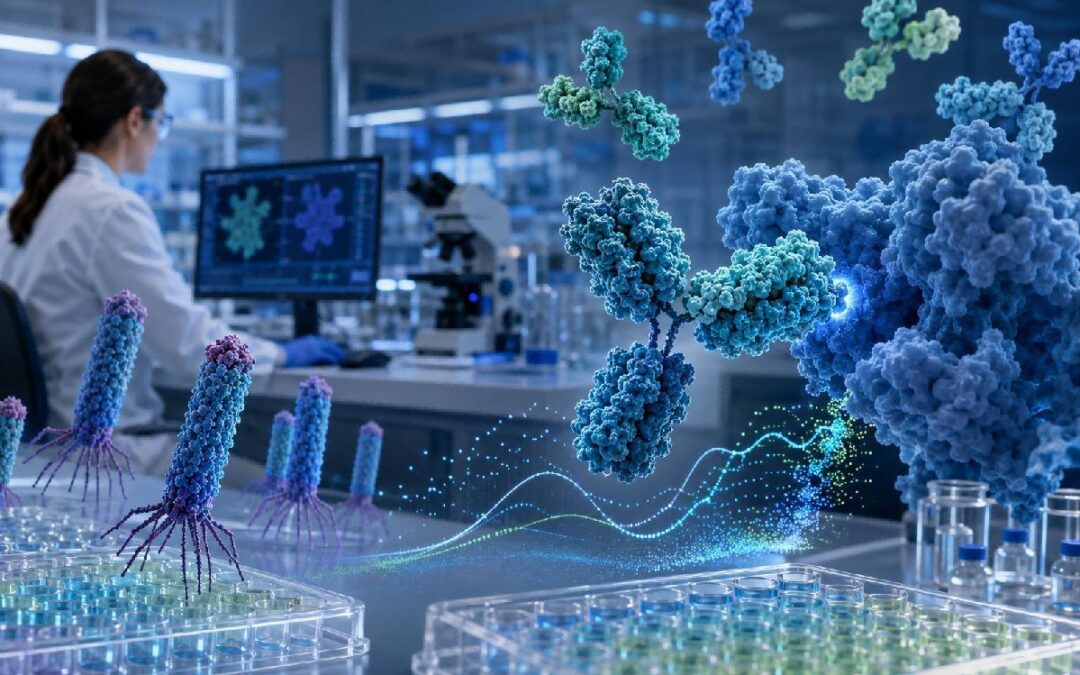
Beyond Hallucinated Binders: The Enzymatic Frontier for Generative AI
Generative AI has already changed what is possible in protein engineering. In the last few years, the field has moved from predicting protein structures to proposing entirely new proteins, often with experimentally verified folding and binding, at a pace that was...
Antibiotic Resistance: The Silent Pandemic Undermining Modern Medicine
Antibiotics are one of the greatest success stories in modern medicine. They transformed once-deadly infections into treatable illnesses, made routine surgery possible, and helped extend human life expectancy worldwide. From treating pneumonia to protecting patients...
Why Hypoxia Workstations are Becoming Standard Lab Infrastructure
“Hypoxia” used to be nothing but a niche biology topic. Today it is quietly becoming standard infrastructure in labs. Two forces are converging. Regulators and funders are nudging R&D away from default animal studies and toward human-relevant evidence. At the...
Natural Product Drug Discovery Returns With New Anti Cancer Insights
Scientists have uncovered how plants produce mitraphylline, a rare natural compound with demonstrated anti cancer properties, shedding new light on the biological machinery behind one of nature’s most complex chemical products. By identifying the key enzymes involved...
Biotech’s Funding Winter is Over, but M&A Will Remain Selective
Biotech is showing early signs of life after a prolonged funding winter, but for many early-stage companies, conditions remain unforgiving. Years of low valuations, high borrowing costs and regulatory uncertainty have reshaped investor behaviour, with capital scarce...
A Career in Life Sciences: Pathways, Possibilities and Support
The life sciences sector sits at the intersection of discovery, technology and human impact. From developing new medicines and diagnostics to advancing environmental sustainability and digital health, careers in life sciences offer the chance to work on problems that...
Obesity Redefinition Studies Challenge Longstanding Clinical Standards
For decades, obesity has been defined and diagnosed primarily using body mass index (BMI), a simple ratio of weight to height. While BMI has been widely adopted for its convenience and scalability, a growing body of research now suggests that it may be an incomplete...
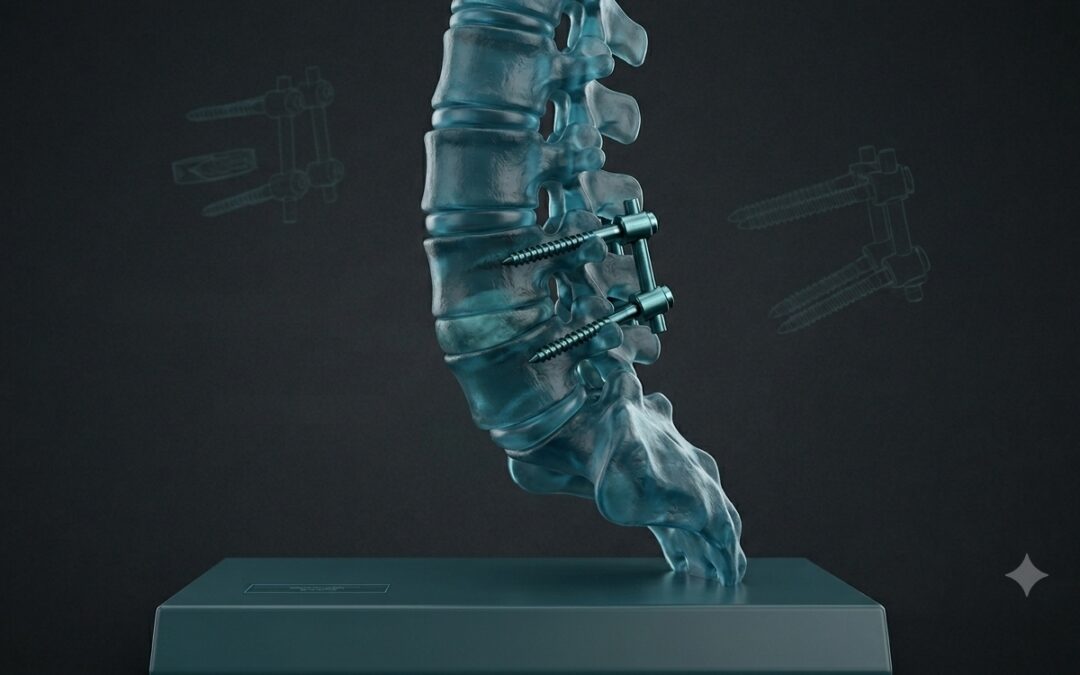
Japan’s iPSC Breakthrough: A New Hope for Spinal Cord Injury Repair
Spinal cord injuries remain one of the most challenging conditions in modern medicine. Damage to the spinal cord often leads to permanent paralysis, loss of sensation, and a dramatic decline in quality of life. For decades, treatment options have been limited to...