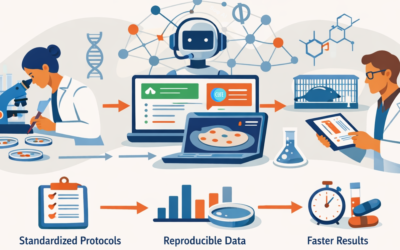
In the pharmaceutical industry, the statistics of failure are so familiar they have become clichés: it takes ten years and two billion dollars to bring a new drug to market, with a failure rate in clinical trials hovering near 90%. While much of this attrition is...
From Hype to Hard Science: Unlocking MSC Therapy’s Promise
After decades of promise and setbacks, advanced manufacturing platforms and robust Phase 2/3 trials are demonstrating whether MSCs can deliver transformative treatments for high-burden diseases Mesenchymal stromal cells (MSCs) have been called the most promising...
Beyond Hallucinated Binders: The Enzymatic Frontier for Generative AI
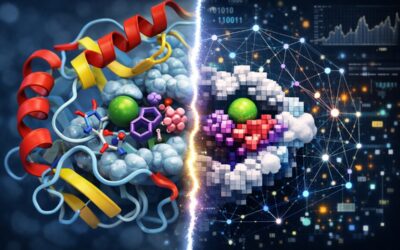
Generative AI has already changed what is possible in protein engineering. In the last few years, the field has moved from predicting protein structures to proposing entirely new proteins, often with experimentally verified folding and binding, at a pace that was...
Antibiotic Resistance: The Silent Pandemic Undermining Modern Medicine
Antibiotics are one of the greatest success stories in modern medicine. They transformed once-deadly infections into treatable illnesses, made routine surgery possible, and helped extend human life expectancy worldwide. From treating pneumonia to protecting patients...
Why Hypoxia Workstations are Becoming Standard Lab Infrastructure
“Hypoxia” used to be nothing but a niche biology topic. Today it is quietly becoming standard infrastructure in labs. Two forces are converging. Regulators and funders are nudging R&D away from default animal studies and toward human-relevant evidence. At the...
Natural Product Drug Discovery Returns With New Anti Cancer Insights
Scientists have uncovered how plants produce mitraphylline, a rare natural compound with demonstrated anti cancer properties, shedding new light on the biological machinery behind one of nature’s most complex chemical products. By identifying the key enzymes involved...
Investor Trends and Valuation Shifts in the Volatile Biotech Sector
The biotechnology sector is navigating a turbulent market environment in 2025. After earlier highs, many biotech companies have seen steep share-price declines, while investors remain cautious yet selective about which assets to back. As macroeconomic pressures and...
Gene and RNA Therapies Gain Momentum in Obesity Treatment
The field of obesity treatment is expanding beyond GLP 1 receptor agonists as a growing wave of gene modulating and RNA based therapies emerges. These next generation programmes aim to address fat accumulation, particularly visceral fat and metabolic dysfunction,...
How Neurons Help Cancer Spread
One of the biggest surprises in modern cancer biology is that tumors are wired with nerves—and cancers with more nerve fibers tend to be more aggressive. A new study finally explains why. The Key Finding Neurons actively transfer their mitochondria — the cell’s energy...
A Milestone in Rare Disease Genomics
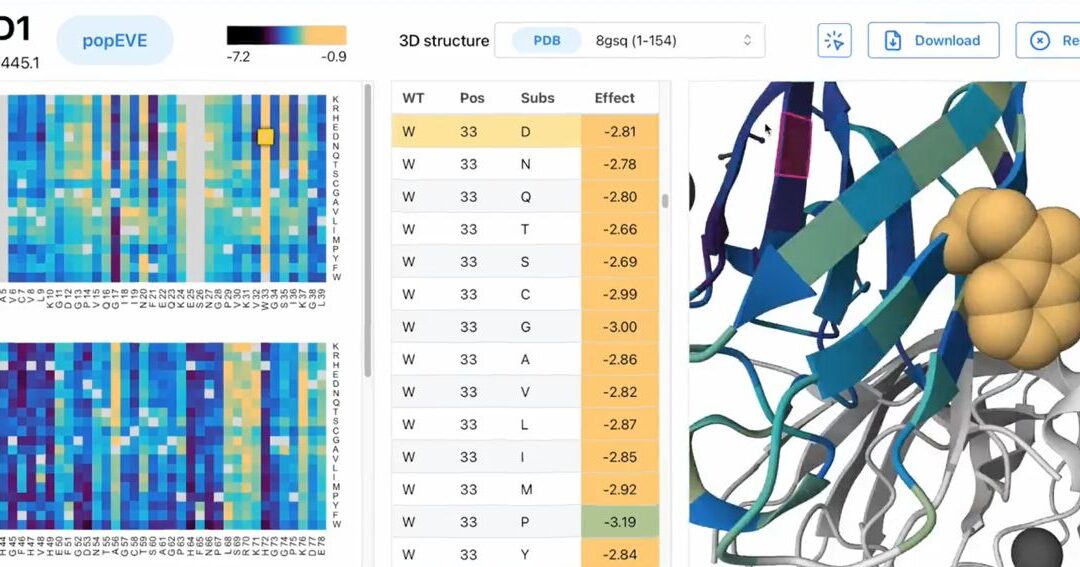
Why popEVE Matters Interpreting missense variants has long been one of the most persistent challenges in clinical genetics. These single–amino-acid substitutions can subtly alter protein structure or function, yet their effects are often context-dependent and...
Brain Cell Communication at the Molecular Level
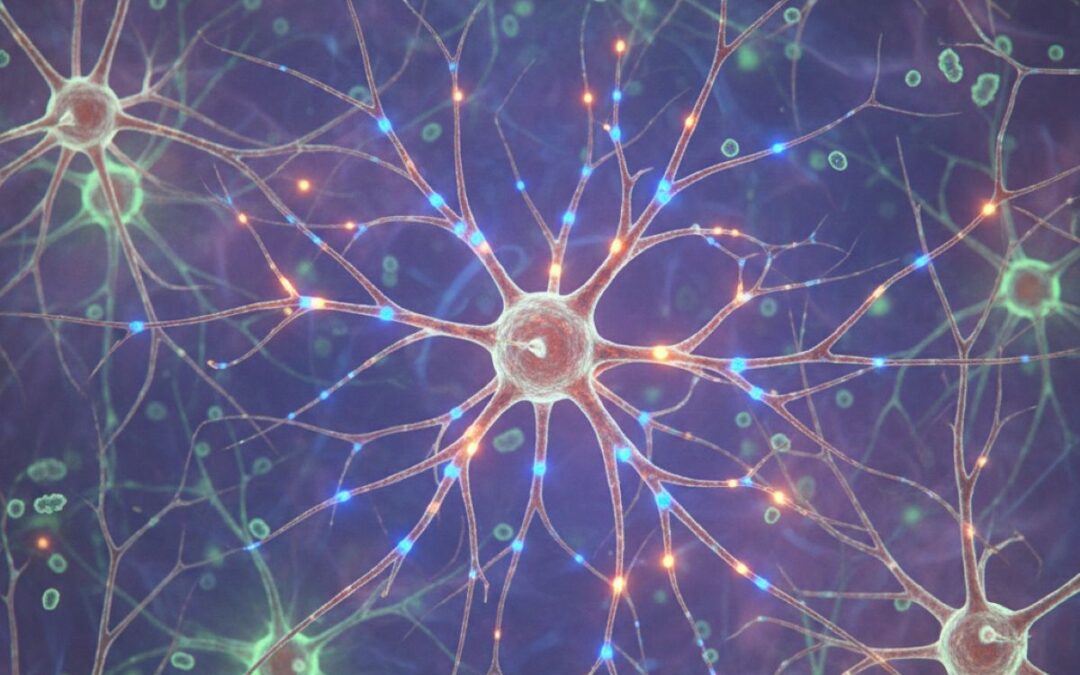
Brain Cell Communication at the Molecular Level Neural communication isn’t abstract, it’s a sequence of tightly regulated biophysical events. Ion gradients shift, channels open and close with millisecond precision, calcium signals trigger chemical release, and...
Bacterial Movement Beyond Flagella: Surprising New Mechanisms Uncovered
Emerging Evidence of Alternative Motility For decades, scientists have believed that bacterial movement relied almost entirely on the rotation of whip-like flagella, which propel cells through liquids or across surfaces. However, new research has revealed that some...
The Passing of a Scientific Giant: James D. Watson
Renowned molecular biologist James D. Watson has died at the age of 97, his son and the Cold Spring Harbor Laboratory (CSHL) in New York confirmed. The scientist, best known for co-discovering the double helix structure of DNA in 1953, passed away following a brief...
The Rise of Cell and Gene Therapy Hubs Across Northern England
The life sciences landscape in northern England is undergoing a dynamic evolution, driven by the growing importance of advanced therapies such as cell and gene treatments. These innovative approaches, which aim to treat or cure diseases by intervening at the level of...
Rewriting the MND Playbook
How AI and Biomarkers Are Accelerating the Fight Against Motor Neurone Disease Every ninety minutes in the United Kingdom, someone receives a diagnosis of Motor Neurone Disease (MND), also known as Amyotrophic Lateral Sclerosis (ALS), and every ninety minutes, someone...
Challenges in Life Sciences Real Estate
The commercial real estate market serving the life sciences industry is currently undergoing a complex period of adjustment. The underlying dynamics that once propelled rapid growth, such as enthusiastic venture capital, strong demand from biotech and pharmaceutical...
Age Related T Cell Changes Weaken Vaccine Response in Older People
As the population ages, one of the major challenges facing public health is that vaccines tend to become less effective in older adults. A growing body of research increasingly points to specific changes in T cells, critical components of the immune system, as a key...
ProImmune Introduces ProVE SL Monomers to Boost T Cell Research
ProImmune has launched its new ProVE SL (Self-Loading) MHC Class I monomers, positioning these reagents as a next-generation tool for researchers studying antigen-specific CD8+ T cells. The announcement highlights the company’s aim to accelerate T cell research by...