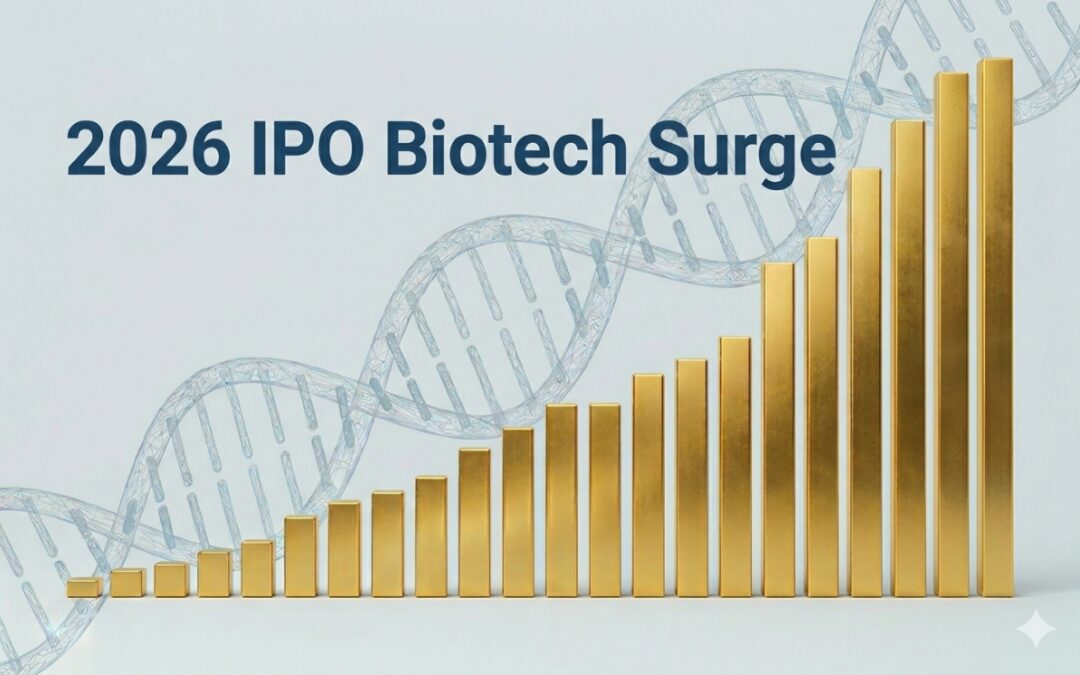
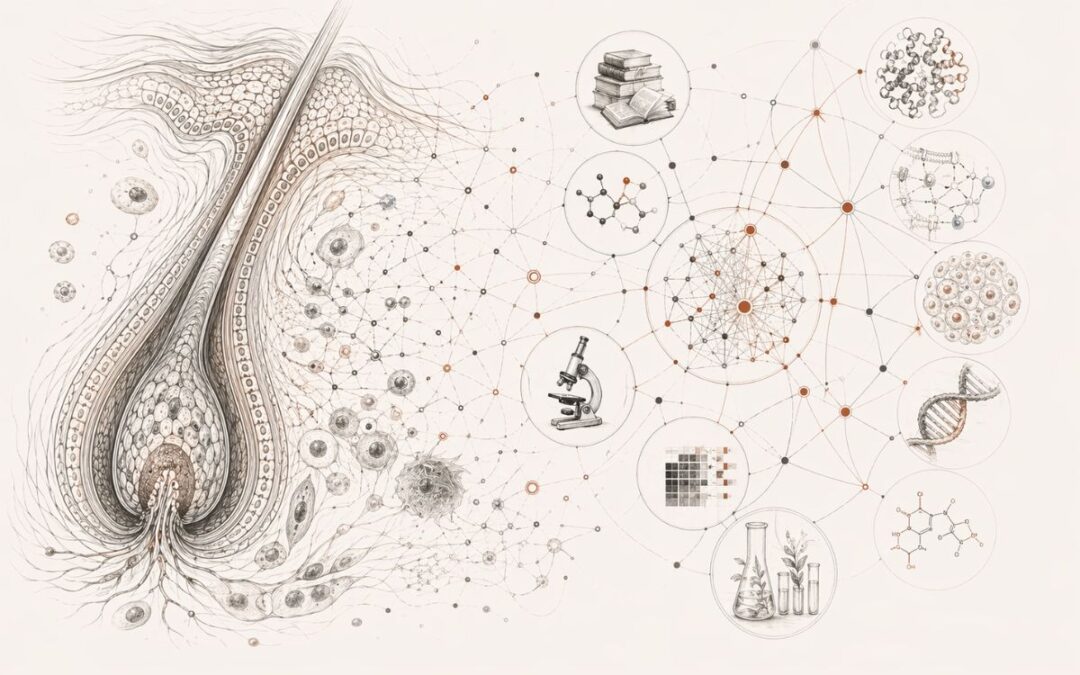
Over the next decade, modern medicine is poised to undergo a redefinition that has not been seen in generations. The surge in innovation, transformational scientific discoveries and rapidly maturing technologies is redefining patient outcomes. The biotech industry is...
Activating Autophagy, Your Body’s Natural Metabolic Superpower
Did you know that your body has its own biological process for clearing out old or damaged cells, and recycling dysfunctional components to prioritize healthier, more productive ones? For billions of years, autophagy has acted as a kind of evolutionary survival...
Summary: England Rare Diseases Action Plan 2026
The England Rare Diseases Action Plan 2026 outlines how the Department of Health and Social Care and partner organisations are delivering commitments under the UK Rare Diseases Framework to improve outcomes for people living with rare conditions in England. The report...
Atomic Warriors: How Structural Biology is Decoding the Next Pandemic
As the echoes of the COVID-19 crisis fade, humanity remains on high alert for the inevitable next pathogen. What if we could dissect viruses down to their atomic core, revealing chinks in their armor that lead to revolutionary treatments? Drawing from my 12+ years as...
Global Funding Shifts Redraw Life Sciences Innovation Map
The life sciences sector is experiencing a fundamental reshaping of its innovation geography as funding pressures, policy shifts, and geopolitical tensions redraw the competitive landscape across continents. While research funding constraints in the United States...
Five Big Shifts Redefining the Future of Cell and Gene Therapy
Marking its success San Diego debut earlier this month, Phacilitate’s Advanced Therapies Week (ATW), brought together leaders, innovators, and industry stakeholders from around the world for a dynamic showcase of progress in cell and gene therapies (CGT). From...
Basecamp Research Debuts World’s First AI for Programmable Gene Insertion
Basecamp Research, a frontier AI lab harnessing evolution to design new medicines, today announced the first AI models capable of programmable gene insertion, offering a new way to replace faulty genes and reprogram cells for therapeutic use. Trained in collaboration...
Peptide and Biomolecule Research Bridges Consumer and Clinical Innovation
Peptides are no longer confined to the margins of biomedical research. Once viewed primarily as niche tools for probing biological pathways or as incremental drug candidates, peptides and related biomolecules are now emerging as a central pillar of innovation across...
Lego for Biotech Labs
How Modular Hardware Is Breaking Decades of Vendor Lock-In There’s a running joke among biotech lab managers that goes something like this: You don’t buy a bioreactor. You buy a relationship. A very expensive, very locked-in relationship. It’s funny because it’s...
The Boom in Life Sciences in India
India is emerging as one of the most dynamic life sciences markets in the world. Long recognised for its strength in pharmaceuticals and generics, the country is now experiencing a broader life sciences boom that spans biotechnology, vaccines, medical devices,...
Windward Bio Strikes $700M Licensing Deal for Qyuns Immunology Bispecific
Swiss biotechnology company Windward Bio has entered into a significant licensing agreement with Chinese biotech Qyuns Therapeutics, securing rights outside China to a clinical stage immunology bispecific antibody known as WIN027, also referred to as QX027N. The...
AI Drug Discovery Moves from Hype to Measurable Output
Artificial intelligence is increasingly being judged on clinical progress and tangible outcomes, not just models and algorithms. Once a speculative concept, AI-driven drug discovery is now generating real-world data, advancing molecules into human studies, reshaping...
Top 5 Global Diseases and Future Outlook for Life Science Innovation
The landscape of global disease continues to evolve, shaped by demographic shifts, environmental pressures, and rapid advances in biomedical innovation. For life science professionals, understanding where the world’s highest-burden diseases stand today, and where...
Investor Trends and Valuation Shifts in the Volatile Biotech Sector
The biotechnology sector is navigating a turbulent market environment in 2025. After earlier highs, many biotech companies have seen steep share-price declines, while investors remain cautious yet selective about which assets to back. As macroeconomic pressures and...
Gene and RNA Therapies Gain Momentum in Obesity Treatment
The field of obesity treatment is expanding beyond GLP 1 receptor agonists as a growing wave of gene modulating and RNA based therapies emerges. These next generation programmes aim to address fat accumulation, particularly visceral fat and metabolic dysfunction,...
How Neurons Help Cancer Spread
One of the biggest surprises in modern cancer biology is that tumors are wired with nerves—and cancers with more nerve fibers tend to be more aggressive. A new study finally explains why. The Key Finding Neurons actively transfer their mitochondria — the cell’s energy...
A Milestone in Rare Disease Genomics
Why popEVE Matters Interpreting missense variants has long been one of the most persistent challenges in clinical genetics. These single–amino-acid substitutions can subtly alter protein structure or function, yet their effects are often context-dependent and...
Brain Cell Communication at the Molecular Level
Brain Cell Communication at the Molecular Level Neural communication isn’t abstract, it’s a sequence of tightly regulated biophysical events. Ion gradients shift, channels open and close with millisecond precision, calcium signals trigger chemical release, and...