On 2 October 2026, Novartis agreed to license an autoimmune candidate from Abogen for $575 million upfront. Abogen’s release said milestones could add up to about $7.2 billion if every option is exercised. Many headlines led with the combined figure of about $7.8...
Pneumococcal Conjugate Vaccine Meets Phase 3 Goals, Two Serotypes Lag
Vaxcyte’s 31-valent pneumococcal conjugate vaccine met every primary endpoint in OPUS-1. It fell short on two serotypes against Capvaxive, and it meets a British adult programme that changed product this year.
Novartis Licenses Abogen mRNA-Encoded T-Cell Engager for $575m Upfront
Novartis has licensed ABO2203, an mRNA-encoded T-cell engager, from Abogen Biosciences for 575 million US dollars upfront and up to 7.2 billion in milestones.
Why Complement Therapeutic Research Requires More Than a Single Assay
Complement-targeted drug development requires more than measuring individual proteins. Integrating functional hemolysis assays, carefully selected serum or plasma samples, and multiplex biomarker analysis can provide a more reliable picture of complement activity,...
China Out-Licensing Deals 2026: The Billion-Dollar Tracker
In the first half of 2026, China’s innovative drug licensing deals reached $106.3bn, according to VBInsight data published by VCBeat. That total covers inbound and outbound deals. That compares with $135.7bn for the whole of 2025 on the same provider’s count. This...
Overcoming the Delivery Barrier: Systemic Virotherapy and Metastatic Cancer
The oncology field has made remarkable progress over the past two decades in defining the molecular and immunological drivers of cancer. Modern targeted approaches and immunotherapies have transformed outcomes for many patients, particularly when treating primary or...
Biotech IPO 2026: From Drought to Record-Breaking Deals
The first half of 2026 has delivered a decisive answer to a question the life sciences industry has been asking for years: is the biotech IPO window finally open again? The drought bottomed out in 2025, when fewer biotechs went public than in any year in at least half...
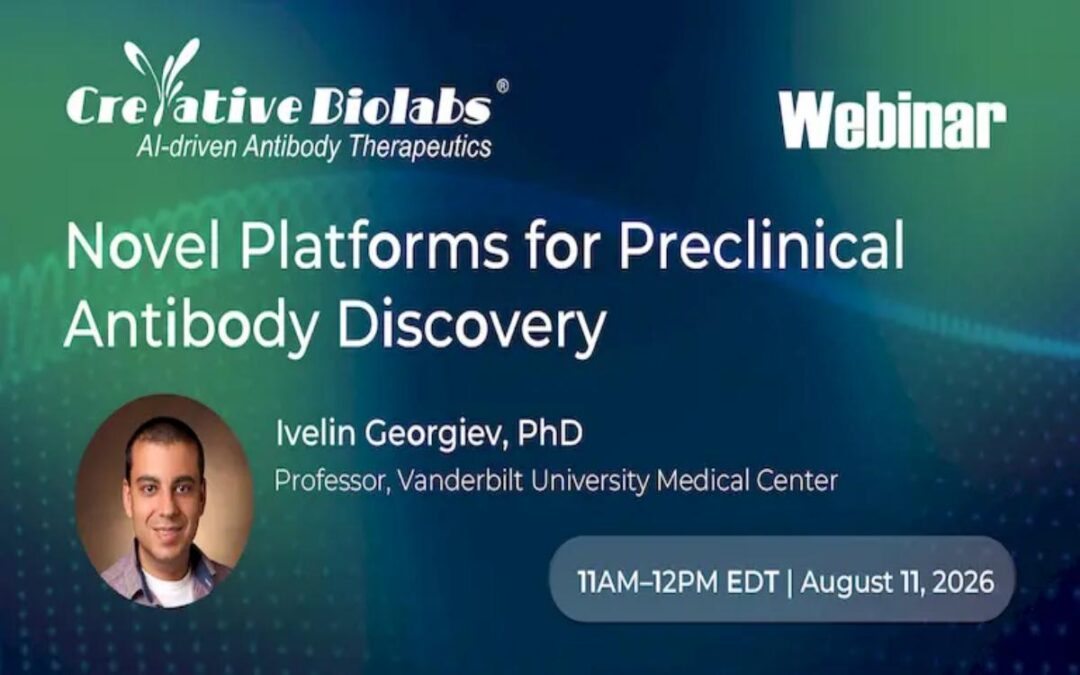
The Preclinical Bottleneck: Why Traditional Antibody Discovery Hits a Wall
The therapeutic landscape has been undeniably transformed by monoclonal antibodies (mAbs). From oncology to autoimmune disorders and emerging infectious diseases, mAbs represent one of the most powerful modalities in modern medicine. However, the initial phase of...
Exploring the Role of Astrocytes in MND With Translatable Human Cell Models
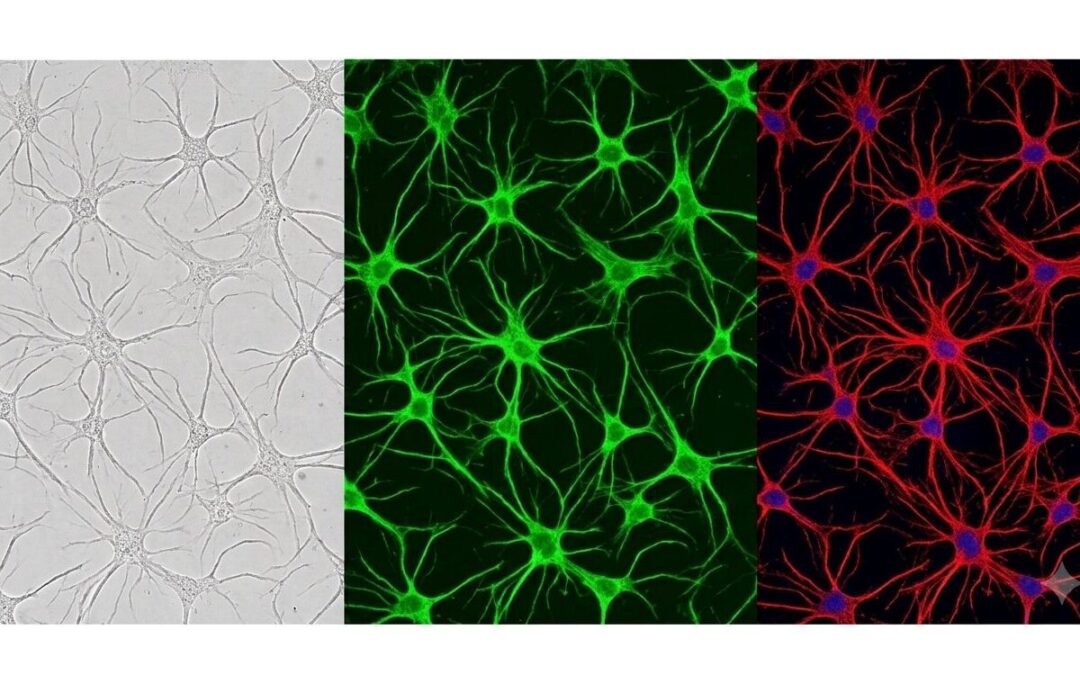
Motor Neuron Disease (MND) is characterised by the progressive loss of motor neurons. Despite years of research into the disease, effective treatments remain extremely limited and half of patients pass away within two years of diagnosis. To date there is no cure for...
How Blood-Based Testing Could Close the Cancer Detection Gap
We have made real progress against cancer through better therapies, stronger treatments, and more precise diagnostics. Yet liver cancer, one of the fastest-rising causes of cancer-related death in the United States, remains a painful reminder that innovation does not...
Funding Pressures Push Researchers to Rethink Traditional Models
Australia's medical researchers have been handed a blunt new brief to simply do more with less. The newly published 10-year National Health and Medical Research Strategy from the Australian Government Department of Health, Disability and Ageing names a problem the...
Next-Gen 3D Models: A Webinar on Elevating Brain Organoid Fidelity
Human brain organoids have fundamentally shifted the paradigm of neurological research. By transforming human pluripotent stem cells (hPSCs) into self-organizing, three-dimensional tissues, these models provide an unprecedented window into the distinct spatial...
NAMs and Animal Testing: Separating Progress From Hype
If you followed the headlines over the past two years, you could be forgiven for thinking animal testing in drug development is already on its way out. In December 2022, the FDA Modernization Act 2.0 removed the blanket legal requirement for animal studies to support...
AI Can Do More Than Summarize Medicine—It Can Help Generate Evidence
Our healthcare system has built a rigorous process for generating the evidence that clinicians, researchers and pharmaceutical companies rely on. Designing studies, conducting clinical trials, analyzing data, completing regulatory review and publishing results are all...
Are Animal Models Limiting Progress in Product Development?
While animal models have played a central role in safety assessment and biological research for decades, advances in cellular biology, computational modelling, and micro physiological systems are prompting scientists to explore new ways of generating human-relevant...
How AI-Enabled Functional Precision Oncology Is Personalizing Treatment
When the Standard Playbook Runs Out In pediatric and adult oncology alike, there is a recognizable moment when the standard treatment playbook is exhausted. For patients with rare, relapsed, or treatment-resistant cancers, guidelines built for the common case offer...
A Path to Rebuilding American Manufacturing for Lab Consumables
Amid today's geopolitical tensions, supply chain vulnerability is emerging as an increasingly central concern, and, in the case of life science consumables, one that places the health of the public at risk. The issue itself, however, is far from new. In December 2020...
Adipose Tissue Isn’t Just Storage: Fat as an Endocrine and Immune Organ
For much of the 20th century, body fat was viewed mainly as the body's energy reservoir—a passive tissue that stored excess calories for future use. While this remains an important function of adipose tissue, research over the past few decades has revealed a far more...