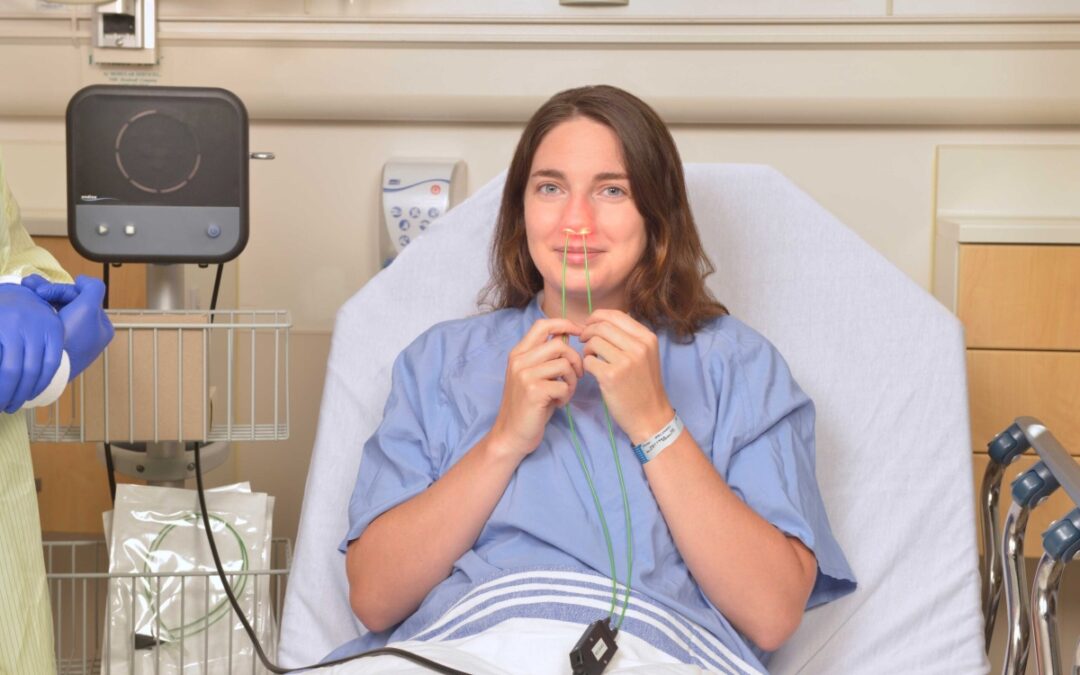
Did you know that your erections can tell you more about your heart health than you might think? Nocturnal erections—those spontaneous erections that happen during sleep—are directly tied to vascular health. When a man stops having them, even for a short period of...
Rethinking Lifestyle Diseases: From Risk Factors to Root Causes
Are we mistaking associations for true biological origins? Despite significant advances in modern medicine, lifestyle diseases such as cardiovascular disease and diabetes continue to rise globally. These conditions are commonly described as “multifactorial,”...
The Radical Longevity Science Frontier
For decades, longevity has been a frontier of scientific exploration, pushing the boundaries of what we believe is possible for human health and lifespan. While incremental progress has been made in understanding the biology of aging, we are now on the cusp of a new...
Agentic AI is Having a Moment: The Foundations go Back 40 Years
The application of agentic AI in life sciences reached a tipping point in 2025. Frameworks where specialized agents collaborate on tasks, sharing work, dividing problems, communicating with each other, went from an emerging topic to the predominant conversation. For...
Bridging the Gap Between Microbiome Research and Patient Care
Advances in microbiome science are occurring faster than our ability to apply these insights within complex human systems. While research has dramatically expanded what can be observed within the gut, translating these discoveries into meaningful improvements in...
Reflections and Healing at the End of Life
Words To Begin At age 81, the author has lived a "life of letters" (perhaps three million words) addressing a wide variety of subjects during multiple careers: Systems Engineering (PhD at UCLA in 1976), Military Science (21 years on active duty, in high-tech...
NIH Scientists Pioneer “Digital Twin” of Eye Cells
NIH Scientists Pioneer “Digital Twin” of Eye Cells: A New Frontier in Treating Age-Related Macular Degeneration In a landmark achievement for computational biology and ophthalmology, researchers at the National Institutes of Health (NIH) have announced the development...
Doctors Warn AI Diet Advice Should Not Replace Medical Care
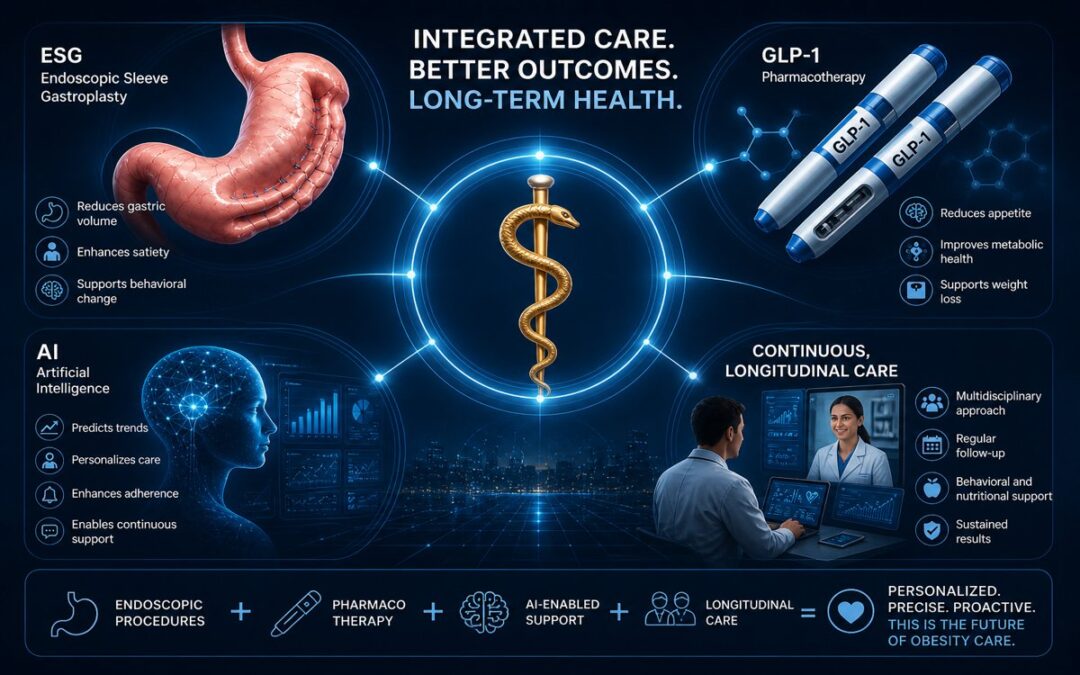
As more people turn to AI tools and online algorithms for diet and weight-loss advice, doctors are warning that this growing reliance may be overlooking critical health risks. Doctors stress that AI-generated information should never replace personalised medical...
Fertility Decisions and AI: Clarity Without False Certainty
As a researcher studying how people interact with large language models (LLMs), and as a clinician trained at the master’s level in clinical psychology, I keep seeing the same pattern in fertility and reproductive contexts. People rarely turn to AI only for...
AI-Enabled Pathology: De-risking Oncology Drug Development
Today, oncology drug development continues to experience the highest attrition rates across therapeutic areas[1]. Despite major advances in molecular profiling and biomarker-driven strategies, a significant proportion of oncology clinical trials still fail, often due...
Why Sugar May Matter More Than We Thought
A New Energy-Centered Model of Metabolic Disease For decades, sugar has been framed as a problem of excess. Too many calories. Too many insulin spikes. Too much sweetness in the modern diet. That framing has shaped public health guidance, food reformulation, and...
Cera and Promptly Health Partner to Bridge the ‘Evidence Gap’
Cera, Europe’s largest digital-first home healthcare provider, has announced a global real-world evidence (RWE) partnership with Promptly Health, focused on the over-65s, to accelerate drug development and enable precision medicine. The partnership integrates Cera’s...
RCM Efficiency: Solving Insurance Denials & Margin Pressure
Insurance Denials and Revenue Cycle Inefficiencies Are Becoming a Primary Driver of Hospital Financial Strain U.S. hospitals are entering the next fiscal cycle under sustained financial pressure, and insurance denials have emerged as one of the most consequential, yet...
Chronic Pain and Neuroplastic Pain: Rethinking How Pain is Created
Chronic pain affects hundreds of millions of people worldwide and remains one of the most challenging problems in modern medicine. For decades, pain has largely been understood as a direct signal of tissue damage or disease. However, advances in pain science are...
Neuroscience of Trauma, Stress & Alcohol: Integrated Treatment
Alcohol problems are often framed as a failure of willpower or “poor lifestyle choices”. Yet clinical neuroscience has made that narrative increasingly untenable. Problematic alcohol use is often a learned response to stress, a learned neurobiological adaptation,...
AI in Life Science Marketing: What’s Actually Working Beyond the Hype
Life science marketing teams are drowning in complexity. Regulatory compliance demands are tightening, scientific accuracy is non-negotiable, and sales cycles stretch 18-24 months or longer. Meanwhile, CMOs face relentless pressure to prove ROI faster while managing...
The Blind Men and the Elephant: A Parable for Modern Pain Management
Most of us have heard the ancient Indian and Buddhist parable “the blind men and the elephant.” Regardless of source, the parable usually contains these elements: A ruler assembles several blind men and brings an elephant before them. One feels the head and says the...
Innovate UK Awards Over £300k SMART Grant
Funding supports the co-design and roll-out of MEMORI, a Class IIb CE-certified SaMD platform, tailored to local clinical teams and systems MEMORI analyses multimodal clinical data in real-time to accurately predict the risk of hospital-acquired infections, alerting...