GLP-1 receptor agonists are transforming obesity treatment. But the clinical conversation about lean muscle preservation is lagging behind the prescribing rate, and that gap has real consequences for patients, says Omar el-Gohary. There is a version of the GLP-1...
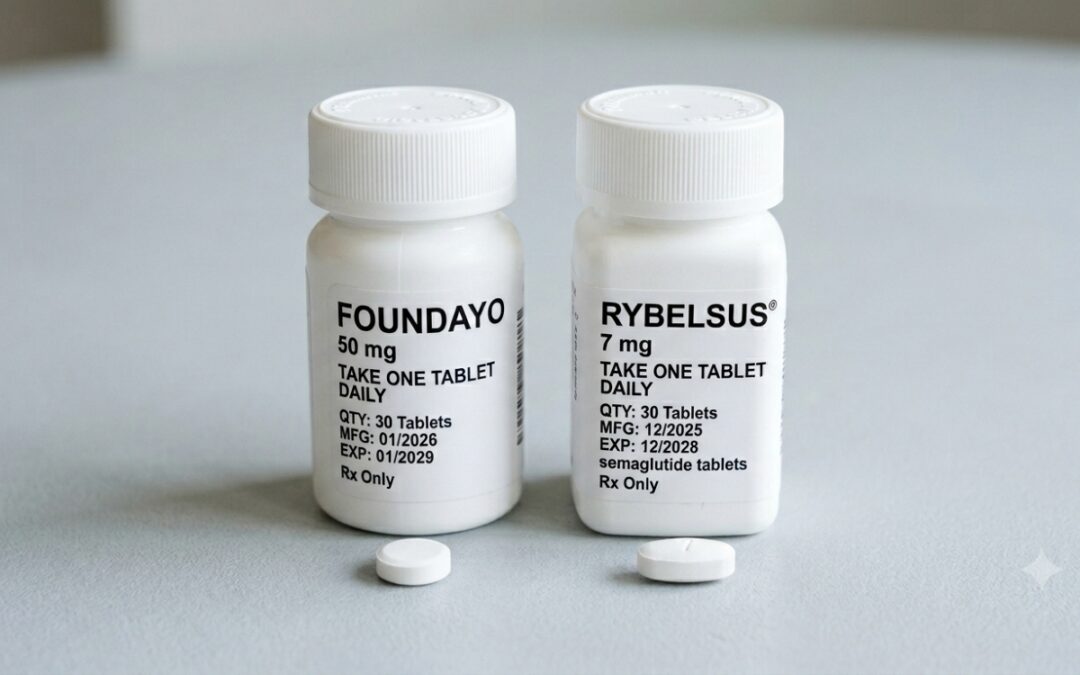
Foundayo vs Rybelsus: The Oral GLP-1 Guide for 2026
The oral GLP-1 market has changed faster in the past six months than in the previous six years. Where once Rybelsus stood alone as the only GLP-1 pill available, patients and clinicians must now navigate three distinct oral products, each with a different molecule, a...
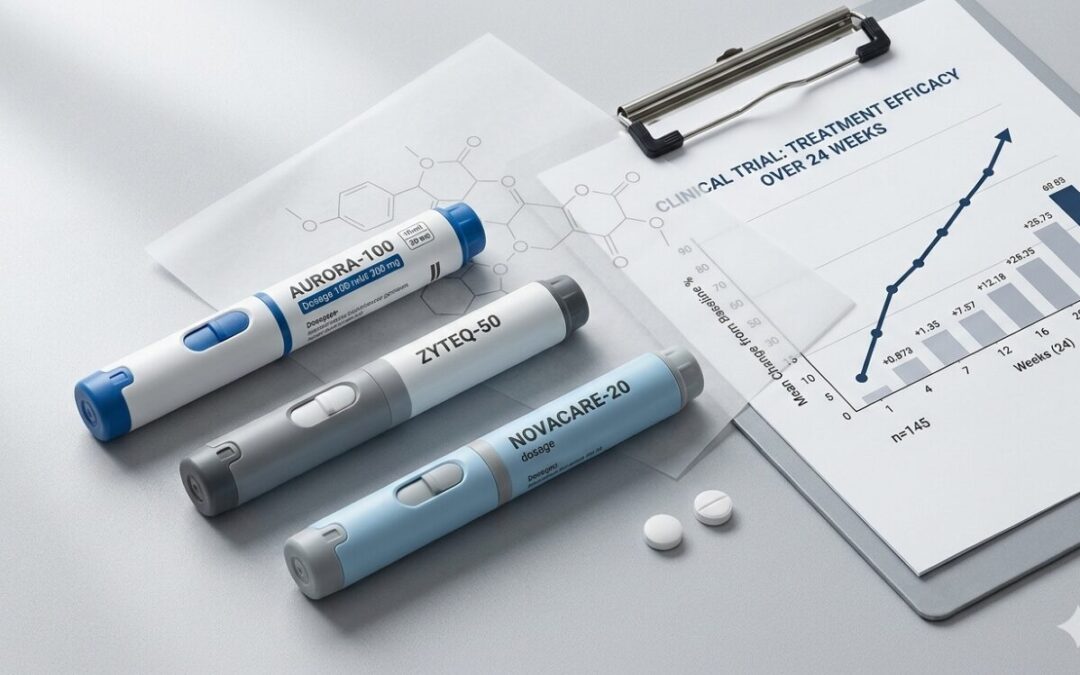
The GLP-1 Drug Pipeline: Every Candidate to Watch in 2026
The GLP-1 drug pipeline has become one of the most consequential and closely watched in modern pharmaceutical history. In 2026, the class of glucagon-like peptide-1 receptor agonists is no longer defined solely by Ozempic and Wegovy. A new generation of oral tablets,...
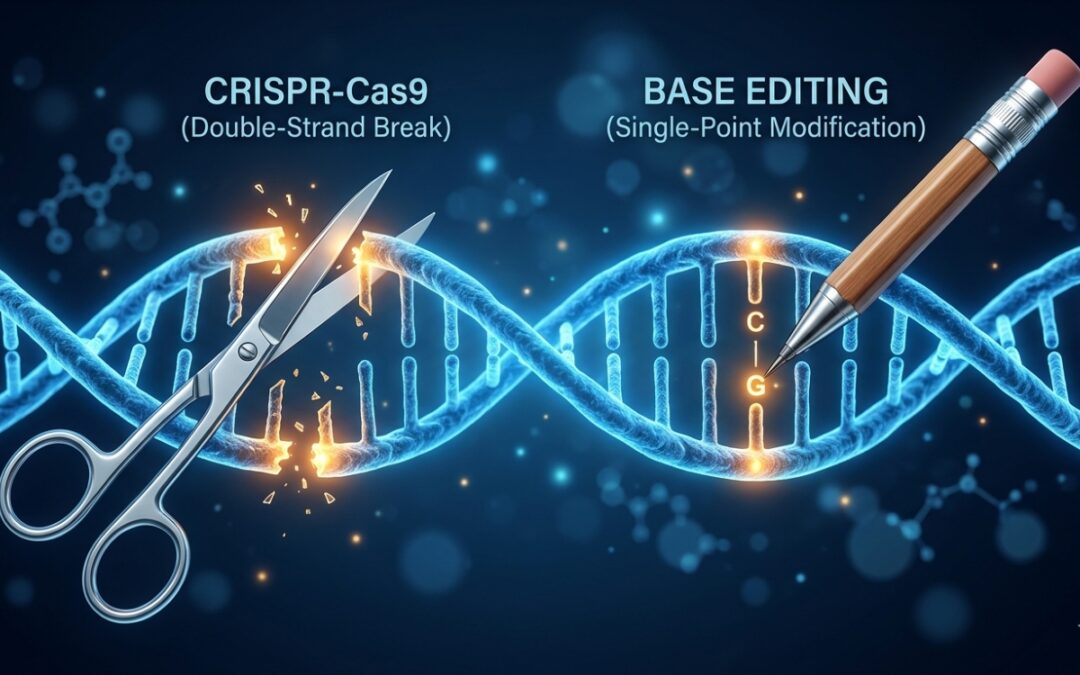
Base Editing vs CRISPR: What’s the Difference and Why Does it Matter?
In May 2026, a single intravenous infusion reduced LDL cholesterol by up to 62% in patients with a genetic condition that no statin could adequately control. No repeat dosing was required. No serious adverse events were reported. The therapy, VERVE-102, was not a...
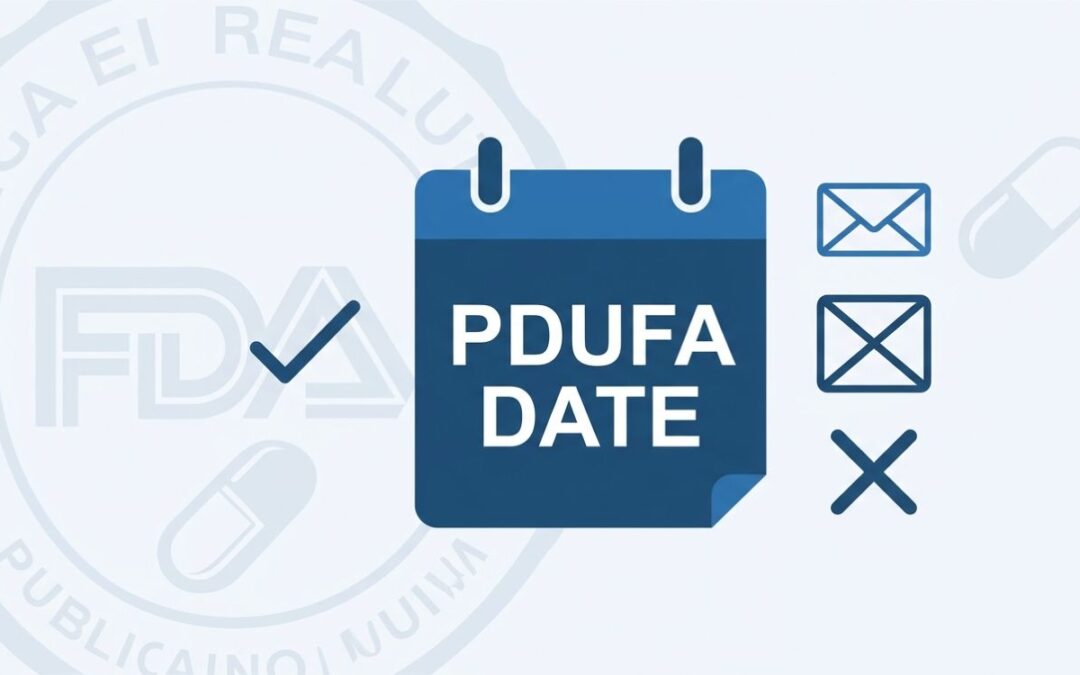
PDUFA Date Explained: FDA Drug Approval Deadlines
Every time a pharmaceutical company submits a new drug to the US Food and Drug Administration, a clock starts. That clock ends on the PDUFA date. For anyone working in life sciences, whether in regulatory affairs, clinical research, investment, or commercial planning,...
CRISPR-GPT: Stanford’s AI Tool That Automates Gene Editing
A team of researchers from Stanford University School of Medicine, Princeton University, the University of California Berkeley, and Google DeepMind has developed CRISPR-GPT, an AI gene editing system designed to automate and dramatically simplify CRISPR-based gene...
Why Biopharma Must Invest in Novel Targets
Drug development continues to concentrate on a small set of well-known targets, creating a crowded landscape where many companies pursue similar pathways. While research into novel mechanisms continues, familiar targets often take priority, reflecting a cautious...
Biologics on the Brink: The Patent Cliff Facing Big Pharma
The global pharmaceutical industry is approaching what many analysts are calling the largest patent cliff biologics in its history. This pharma patent cliff biologics analysts have long anticipated is now arriving in force. Between 2025 and 2030, drugs collectively...
GLP-1 Receptor Agonists Explained: How They Work and Who They’re For
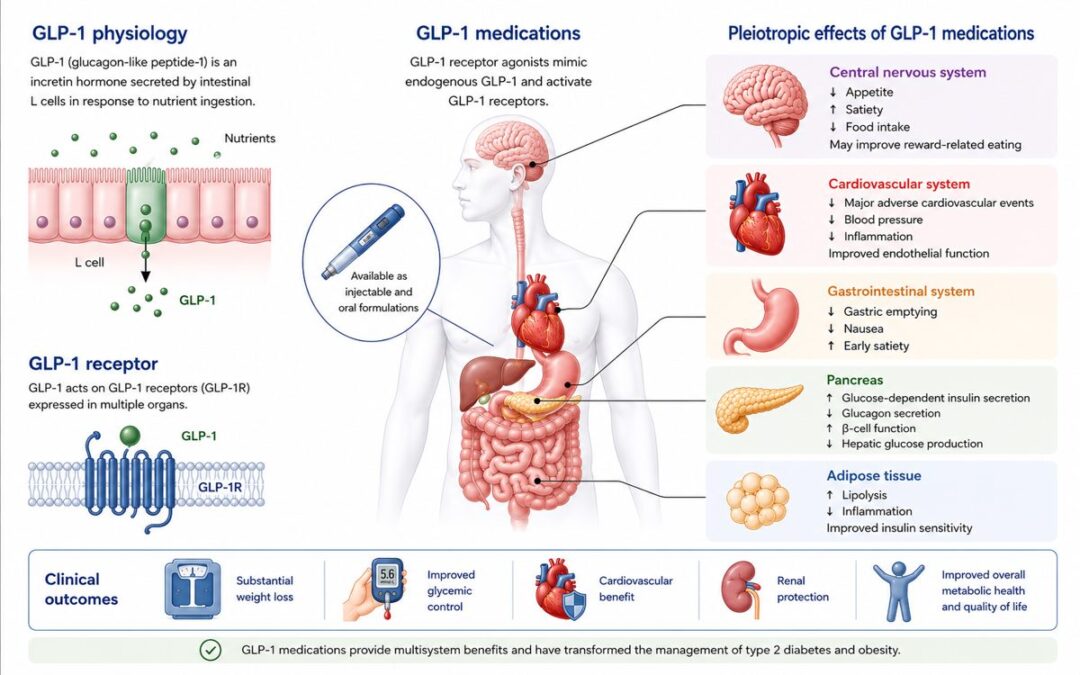
What Are GLP-1 Receptor Agonists? GLP-1 receptor agonists have become one of the most talked-about drug classes in modern medicine. Originally developed to treat type 2 diabetes, these medicines now carry approved indications spanning obesity, cardiovascular disease,...
Muscular Dystrophy Has New Treatments. Patients Still Can’t Get Diagnosed
A generation of transformative therapies is arriving for Duchenne muscular dystrophy. Gene therapies have reached the clinic. Oral small molecules targeting the fundamental biology of the disease are entering clinical trials. Newborn screening programmes are being...
CagriSema: The Next Big Obesity Drug? What the Phase 3 Data Shows
The global obesity drug market is in the midst of its most competitive period in a generation. Since the approval of semaglutide as Wegovy and tirzepatide as Zepbound, pharmaceutical companies and investors have been watching closely for the next therapy capable of...
Orforglipron Approved: Inside the Oral GLP-1 Race
The obesity treatment landscape shifted decisively on 1 April 2026, when the US Food and Drug Administration approved Foundayo (orforglipron), an oral once-daily glucagon-like peptide-1 (GLP-1) receptor agonist developed by Eli Lilly. The decision marks the arrival of...
India, Brazil and Southeast Asia: The New Pharma Powerhouses
For most of the twentieth century, the global pharmaceutical industry operated on a straightforward geographic logic. Drugs were discovered and developed in North America and Western Europe, approved by the FDA and EMA, and then exported to the rest of the world. The...
How AI-Driven Research is Reshaping Competitive Intelligence in Pharma
AI developments are happening at breakneck speed, with every sector and industry seeking new opportunities to seize and capitalise upon. AI-driven research is creating a fundamental shift for pharmaceutical competitive intelligence, moving away from a reactive, manual...
A ‘Bariatric-Level’ Obesity Drug Is Coming: Retatrutide and the UK Reality
The pharmaceutical press is having a very loud year. Eli Lilly's investigational triple-agonist retatrutide has produced the kind of phase 2 data that clinicians usually only see in editorials about the future, up to 24.2% mean body-weight reduction at 48 weeks in the...
AstraZeneca’s $18.5 Billion China Obesity Drug Deal Explained
AstraZeneca China Obesity Drug Deal: A $18.5 Billion Bet on the Future of Weight Management AstraZeneca announced on 30 January 2026, what has quickly become known as the AstraZeneca CSPC obesity deal, a landmark licensing and collaboration agreement with China's CSPC...
Tumor Vasculature has Long Been a Target. Measuring it is the Next Step
Oncology drug development is more mechanistically advanced than ever. Scientists and researchers design therapies to block immune evasion, disrupt tumor metabolism, and rewire the microenvironment. Yet a costly problem remains: many patients who should respond to...
Women’s Health Strategy England: Ten Years of Planned Reform
England's Renewed Women's Health Strategy Puts Patient Voice at the Centre of Care The government published the renewed Women's Health Strategy for England on 15 April 2026, setting out a ten-year programme to address deep-rooted failures in how the NHS identifies,...