
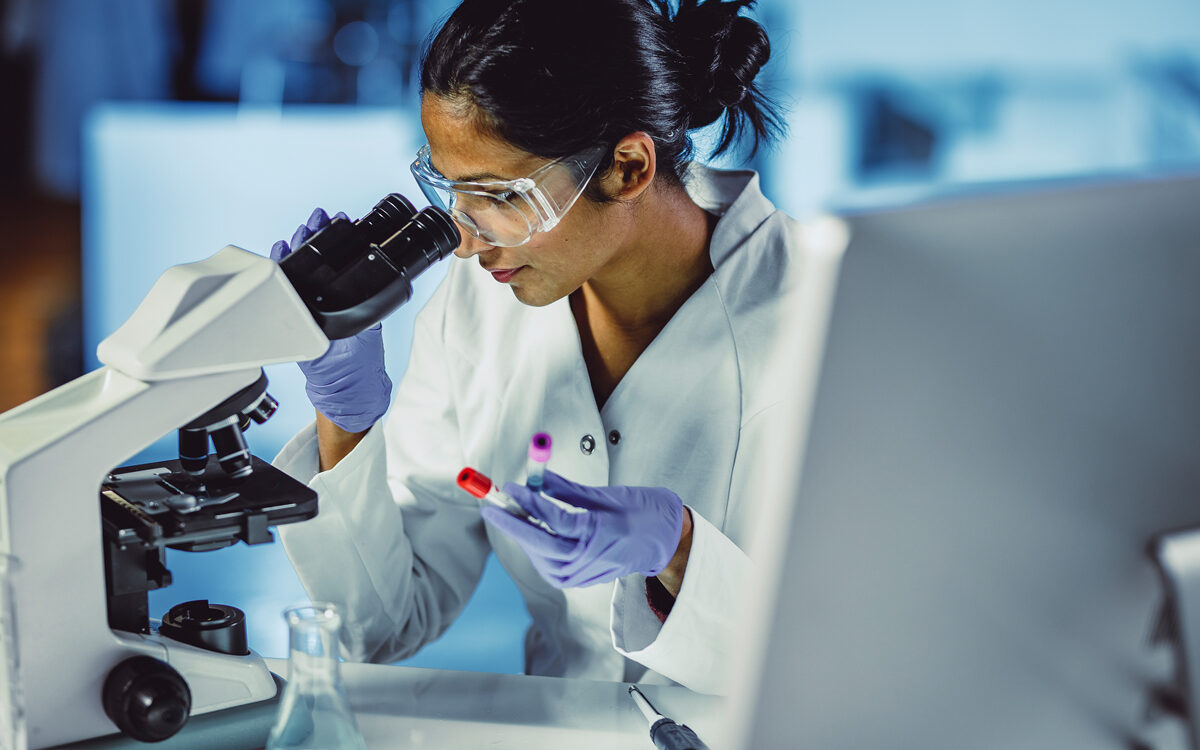
Every year, millions of pathology slides are produced in the UK, most still examined manually under a microscope. This century-old process, though reliable, is no longer fit for purpose.
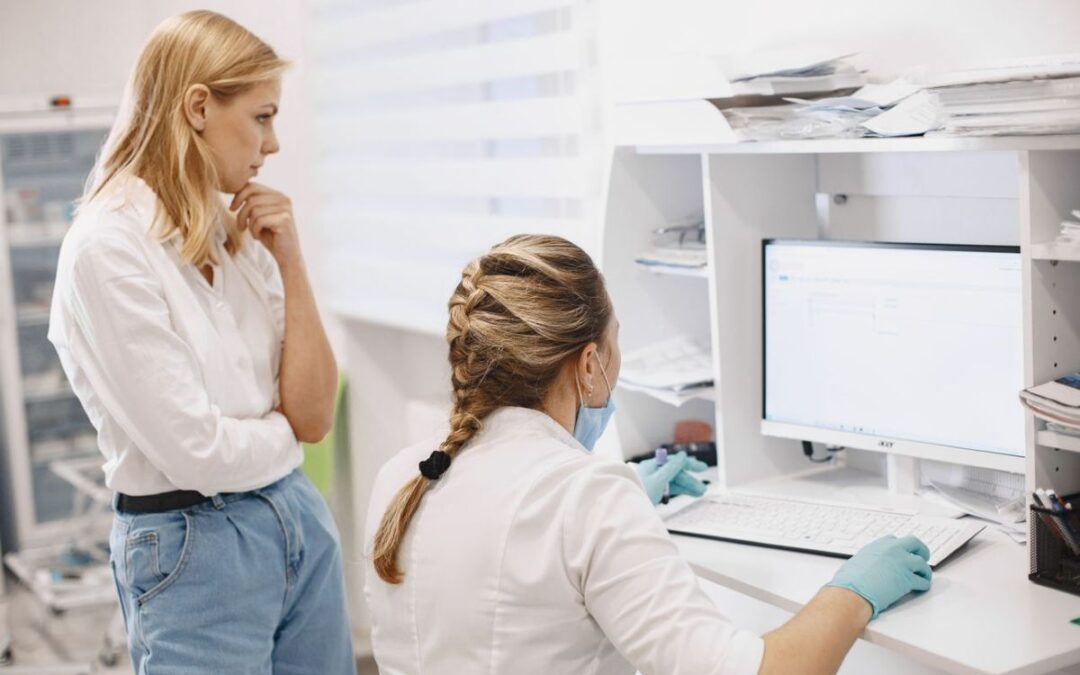
Pathology departments face mounting workforce pressures, with 78% pathologists reporting that current staffing levels are insufficient to ensure long-term service stability or meet growing demand.1
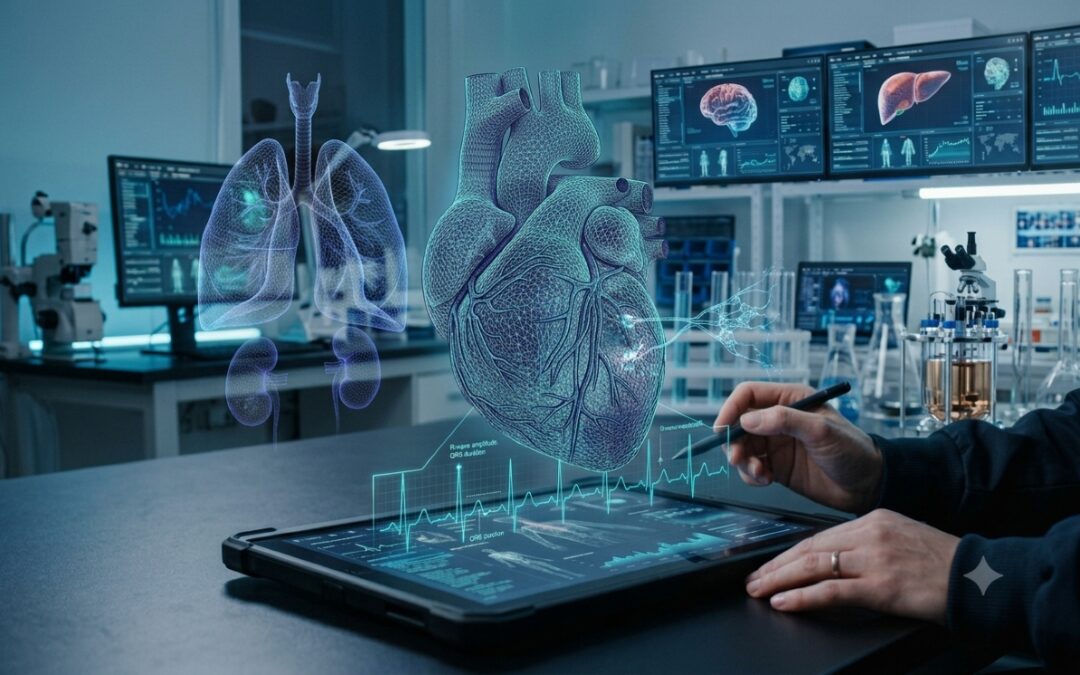
The combination of rising demand and strained resources highlights an urgent need for change. Digital pathology, powered by artificial intelligence (AI), offers a way to turn this challenge into progress. By shifting from glass slides to high-resolution digital images stored in secure cloud environments, the NHS can unlock new efficiencies, improve cancer outcomes, and future-proof the profession for the decades ahead.
The case for digitisation
Until recently, pathology has been slow to embrace digital transformation compared to radiology and other diagnostic fields. Glass slides must be physically transported to laboratories, slowing down workflows and leaving little room for collaboration across regions. In contrast, digital pathology enables images to be scanned, shared and analysed at speed, creating the conditions for AI tools to add value.
Centralising these images in secure sovereign cloud platforms creates an accessible “data lake” for pathologists across the country. A consultant in Birmingham can review a case from Devon, helping to balance regional shortages of expertise. For a workforce under pressure, virtual, real-time access to colleagues and second opinions can reduce professional isolation and ensure patients are not disadvantaged by geography.
AI as a conduit
The greatest concern among clinicians is whether AI is a threat to jobs. In reality, the opposite is true. Far from replacing human expertise, AI can be a powerful supplement, helping pathologists work more efficiently and with greater confidence.
Algorithms are already capable of pattern recognition that flag cancerous tissue in minutes. While a human pathologist must still make the final call, AI can triage cases, highlight areas of concern and prioritise urgent slides in the diagnostic queue. This eases the burden on a stretched workforce and frees time for specialists to focus on complex cases where their skills are indispensable.
The benefits extend beyond the laboratory. Faster diagnosis means earlier treatment, improved survival rates, and reduced long term costs for the NHS. Avoiding delays also lessens the emotional toll on patients and families waiting anxiously for results.
Overcoming barriers to adoption
Despite clear potential, adoption of AI in pathology has been slow. One reason is cultural: the NHS is rightly risk-averse, and concerns about data security, governance and accountability are ever-present. Clinicians and executives alike need reassurance that patient information will be handled safely, and that AI tools will be used responsibly.
Another barrier is structural. Funding models in the NHS are often capital-intensive, designed for one-off infrastructure investments rather than ongoing “as-a-service” models. Yet digital pathology and AI are best delivered as cloud-based services, scalable across trusts and adaptable as technology evolves.
Finally, siloed ways of working have slowed progress. The NHS is a national service in name but fragmented in practice, with multiple trusts often duplicating effort. Wider adoption of digital pathology requires a coordinated approach, where successful pilots can be scaled nationally rather than confined to individual organisations.
Building a responsible AI framework
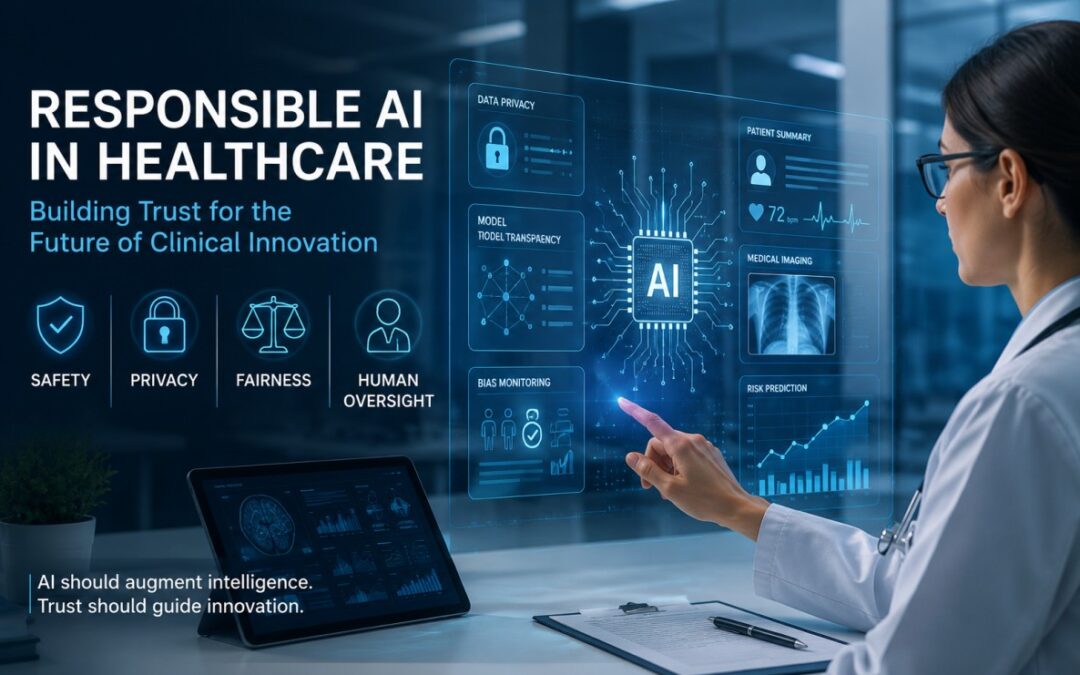
To succeed, digital pathology must be underpinned by robust governance. Responsible AI frameworks are essential to ensure accuracy, accountability and trust. This means:
-
Transparent validation of algorithms against clinical standards.
-
Secure data environments that comply with sovereignty and GDPR requirements.
-
Clear lines of responsibility if errors occur.
-
Continuous monitoring to identify bias or unintended consequences.
Embedding these safeguards will reassure both clinicians and patients that AI is a trustworthy partner, not a risky experiment.
Cultural change and collaboration
Technology alone will not deliver transformation. Cultural change is just as important. Engaging frontline staff in the design and deployment of AI is crucial to building trust and ensuring tools meet real world clinical need. Equally, patients must be involved in shaping how their data is used, with transparency about how AI supports their care.
Partnerships between the NHS and industry also play a vital role. Managed service providers bring expertise in secure infrastructure, cloud platforms and AI deployment that the NHS cannot be expected to develop in-house while focusing on patient care. By working together, these partnerships can bridge the skills gap and accelerate adoption.
A moment of opportunity
The NHS cannot continue with business as usual. An ageing population, a retiring workforce, and growing cancer prevalence demand bold action. Simply digitising existing workflows will not be enough. The opportunity is to reimagine pathways where digital pathology and AI are embedded at the core, enabling faster diagnoses, smarter allocation of resources, and ultimately better outcomes for patients.
This is no longer a choice. Without digital transformation, the workforce crisis in pathology will deepen, backlogs will grow, and lives will be impacted unnecessarily. With it, the NHS can harness AI as a superpower to support pathologists, not replace them, to build a more sustainable, patient-centred future.
Author Bio