


The fifth and sixth decades of life are often portrayed as a period of increased freedom, wisdom, and personal fulfilment. For many individuals, these years bring the anticipation of retirement, the opportunity to travel, deeper family connections through grandchildren, and relief from many of the responsibilities that defined earlier stages of adulthood. Yet alongside these positive transitions, the 50s and 60s can also introduce significant emotional, psychological, and existential challenges. We have much more time to think and reflect. For some, too much time.
As individuals move closer to retirement and later adulthood, questions surrounding identity, relevance, achievement, health, and mortality often become more pronounced. While this stage of life can be deeply rewarding, it can also evoke uncertainty, grief, and emotional vulnerability. Consequently, maintaining mental wellness during this period is not merely beneficial; it is essential for sustaining quality of life, emotional resilience, and a sense of purpose.
Through my work as a Brain Untrainer, coach, and author of multiple books on mindset and personal transformation, I have found that through extensive work with clients, navigating this stage of life. Many individuals in their 50s and 60s find themselves confronting emotionally charged questions that may have remained dormant for decades:
- Have I lived the life I truly wanted?
- Did I fulfil my potential?
- Have I missed important opportunities?
- Does my life still hold meaning as I grow older?
- What value do I contribute now that my traditional roles are changing?
For many, these reflections can trigger feelings of sadness, regret, anxiety, or even depression. However, these emotional experiences are not signs of failure. Rather, they often represent a natural psychological transition as individuals reassess their identity and redefine what fulfilment means in the later stages of life.
The good news is that mental wellness can be strengthened and cultivated at any age. Indeed, many people discover that their later years become the most authentic, meaningful, and emotionally balanced period of their lives.
Embracing Change Rather Than Resisting It
One of the most significant psychological shifts during the 50s and 60s involves the gradual transformation or loss of long-held identities. For decades, many people have defined themselves through roles such as parent, professional, provider, caregiver, or partner. As retirement approaches or family structures change, these identities may no longer carry the same prominence.
This transition can feel deeply unsettling because identity provides psychological stability and direction. When familiar roles diminish, individuals may experience confusion, loneliness, or a diminished sense of self-worth. However, rather than viewing these changes as losses alone, they can also be understood as opportunities for reinvention and personal rediscovery.
Psychological research consistently demonstrates that adaptability and openness to change are closely associated with emotional resilience and long-term well-being. Individuals who remain flexible in their self-concept tend to navigate ageing with greater confidence and optimism.
This stage of life offers an opportunity to ask important reflective questions:
- Who am I beyond the roles I have played?
- What values are most important to me now?
- What passions or interests have I neglected?
- How do I want to spend the next chapter of my life?
Contrary to popular belief, reinvention is not reserved for the young. In many ways, the wisdom and self-awareness gained through life experience provide a stronger foundation for meaningful transformation later in life.
Understanding and Processing Grief
Grief becomes increasingly relevant in later adulthood. Individuals may experience the loss of parents, friends, siblings, partners, careers, physical vitality, or previous versions of themselves. Even positive transitions, such as retirement or children leaving home, can involve a sense of loss and emotional adjustment.
Importantly, grief is not always dramatic or immediate. It can manifest subtly through fatigue, irritability, emotional numbness, anxiety, or a lingering sense of emptiness. Many people attempt to suppress these emotions to appear strong or resilient, yet unresolved grief often intensifies psychological distress over time.
It is essential to recognise that grief is not a linear process. It tends to move in cycles, resurfacing unexpectedly through memories, anniversaries, or life events. Even an innocent question such as “What are you doing with yourself in retirement?” can trigger feelings of worth or lack. Accepting this reality can reduce unnecessary self-judgement and emotional frustration.
Seeking support during periods of grief is not a sign of weakness but an important aspect of emotional health. Counsellors, coaches, support groups, and trusted friendships can provide valuable spaces for reflection, validation, and healing. Human beings are inherently relational, and emotional burdens become lighter when shared within safe and compassionate connections.
Prioritising Connection Over Comparison
Modern society increasingly encourages comparison, particularly through social media and digital culture. Individuals are constantly exposed to curated portrayals of success, happiness, wealth, travel, family achievements, and idealised retirement lifestyles. While these images may appear inspiring, they can also contribute to feelings of inadequacy or failure.
Comparison often undermines mental wellness because it shifts attention away from personal growth and gratitude toward external measurement. Research in positive psychology suggests that well-being is strengthened not by comparison but by meaningful social connection and a sense of belonging.
As people age, authentic relationships become increasingly important protective factors against anxiety, depression, and cognitive decline. Strong social connections have been linked to longer life expectancy, improved immune functioning, and greater emotional resilience.
Therefore, investing in emotionally nourishing relationships is one of the most valuable actions individuals can take during this stage of life. This may involve:
- Reconnecting with old friends
- Joining community groups or clubs
- Engaging in volunteer work
- Pursuing shared hobbies or interests
- Setting healthier boundaries within draining relationships
True mental wellness emerges not from impressing others, but from feeling genuinely seen, valued, and connected.
Developing a Sustainable Mental and Emotional Wellness Practice
Mental health does not maintain itself automatically. Just as physical fitness requires consistent care and attention, emotional well-being also benefits from intentional daily practices.
What supported emotional health in earlier decades may no longer be sufficient in later life. Increased stress sensitivity, changing energy levels, hormonal changes, and evolving life priorities often require individuals to adopt new strategies for maintaining psychological balance.
Several evidence-based practices can significantly support mental wellness in the 50s and 60s:
Mindfulness and Meditation
Mindfulness practices help individuals regulate stress, reduce anxiety, and improve emotional awareness. By training attention toward the present moment, mindfulness reduces excessive rumination about the past or fear of the future. Even brief daily meditation practices have been associated with improvements in mood, sleep quality, and emotional regulation.
Physical Movement
Exercise remains one of the most powerful tools for supporting mental health. Activities such as walking, swimming, yoga, dancing, or strength training stimulate the release of endorphins and support cognitive functioning. Movement also reinforces a sense of vitality and agency during the ageing process.
Expanding Your Mindset
A life leading up to your 50s and 60s can be filled with indoctrinated concepts about how you and the world work. This can be a great time to do a course or enrol in a training program that expands your mind. As a mature-age student, I found learning Neuro Linguistic Programming (NLP) not only expanded my world, but it also improved my perspective on life and who I could become.
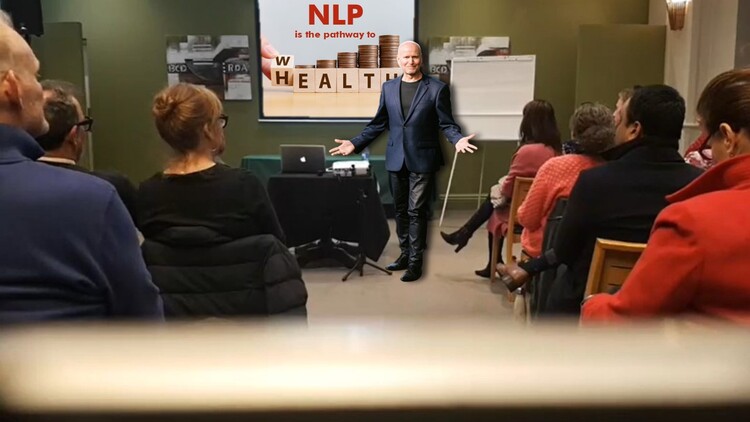
Credit: Daniel John Bilsborough
Journaling and Reflection
Writing can serve as a valuable method of emotional processing and self-discovery. Journaling enables individuals to identify recurring thought patterns, clarify emotions, and track personal growth over time.
Creative Expression
Creative activities such as painting, gardening, writing, music, or cooking help reconnect individuals with joy, curiosity, and meaning. Creativity encourages psychological flexibility and can provide a powerful antidote to stagnation or emotional numbness.
Importantly, self-care during this life stage should not be viewed as self-indulgent. Rather, it is a necessary investment in long-term emotional sustainability.
Making Peace with Mortality
One of the most profound psychological developments during later adulthood involves a growing awareness of mortality. While many people fear discussing ageing and death, acknowledging life’s impermanence can actually deepen appreciation, clarity, and intentionality.
Psychologists have long observed that awareness of mortality often encourages individuals to focus more consciously on what truly matters. People become less concerned with superficial approval and more committed to authenticity, contribution, and meaningful relationships.
Rather than perceiving ageing as decline alone, it can be reframed as an invitation toward wisdom and alignment. Questions such as the following become increasingly valuable:
- What legacy do I want to leave behind?
- What experiences genuinely matter to me?
- How can I contribute positively to others?
- Am I living in alignment with my deepest values?
For many individuals, this stage becomes less about external achievement and more about inner peace, connection, and purpose.
Conclusion
Mental wellness in the 50s and 60s is fundamentally about resilience, adaptation, self-awareness, and compassion. While this stage of life inevitably brings change, loss, and uncertainty, it also offers extraordinary opportunities for reinvention, emotional maturity, and personal freedom.
The challenges experienced during this period are not indications that life is ending; rather, they often signal the beginning of a more conscious and meaningful chapter. With the right emotional tools, supportive relationships, and willingness to evolve, individuals can experience profound fulfilment during life’s second act.
Ageing does not diminish human value. In many cases, it reveals it more clearly. The later decades of life can become a time not merely of surviving, but of truly thriving with greater wisdom, authenticity, serenity, and purpose than ever before.
Author Bio

Rik Schnabel is an Australian-based educator, therapist, and author specialising in applied psychology, neuro-linguistic programming, and human behavioural change. He is the founder of Life Beyond Limits and has trained thousands of individuals in cognitive strategy, emotional regulation, and leadership development. Through his books and professional trainings, he focuses on equipping adults and young people with practical frameworks for mastering their internal states and strategically building fulfilling, resilient lives.