Electricity as a Hidden Dependency in Healthcare
Reliable electricity is a foundational requirement for modern healthcare systems. From acute hospital care to long-term residential facilities and home-based treatment, uninterrupted power underpins virtually every aspect of patient care. Yet, power outages in healthcare settings are becoming more frequent and, critically, longer in duration due to a combination of extreme weather events, aging infrastructure, and increasing demand on electrical grids.
While power disruptions are often framed as operational inconveniences, their implications for healthcare delivery are more profound. Interruptions to power supply can directly affect clinical outcomes, disrupt continuity of care, and introduce systemic risks that extend beyond individual facilities. As healthcare systems become more technologically dependent, the resilience of energy infrastructure is emerging as a key determinant of patient safety.
Power Dependency in Modern Healthcare Systems
Healthcare delivery today is deeply intertwined with electrical systems. Hospitals, clinics, and care homes rely on continuous power for:
- Life-sustaining devices (e.g., ventilators, infusion pumps)
- Diagnostic and monitoring equipment
- Electronic health records and digital infrastructure
- Environmental controls (heating, ventilation, and air conditioning)
- Refrigeration of temperature-sensitive medications and biologics
This dependence extends beyond acute care environments. Increasingly, patients are receiving treatment at home using electrically powered medical devices such as oxygen concentrators, CPAP machines, and home dialysis systems. As a result, power reliability has become a distributed healthcare issue rather than one confined to hospitals alone.
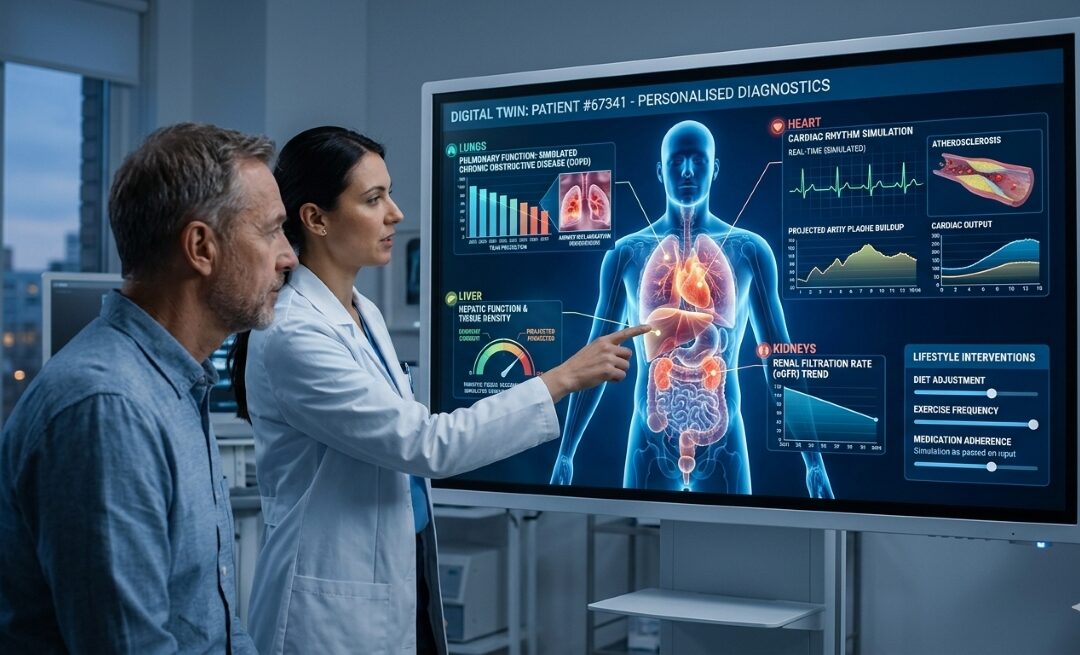
The integration of digital health technologies and remote monitoring further increases reliance on uninterrupted electricity. Even short outages can interrupt data transmission, delay interventions, and compromise patient oversight.
Clinical Risks Associated with Power Disruption
Power outages introduce a range of clinical risks that can escalate rapidly depending on duration and context. These risks include:
- Interruption of Life-Sustaining Therapies
Patients dependent on electrically powered medical devices face immediate risk during outages. While many facilities have backup generators, these systems are not always designed for prolonged or repeated disruptions.
- Medication and Biologic Degradation
Many pharmaceuticals, including vaccines and insulin, require strict temperature control. Disruptions to refrigeration can compromise medication efficacy, leading to treatment delays or adverse outcomes.
- Environmental Instability
Temperature control is critical in healthcare settings. Outages affecting HVAC systems can lead to unsafe indoor conditions, particularly for vulnerable populations such as the elderly or immunocompromised patients.
- Diagnostic and Monitoring Delays
Loss of imaging capabilities, laboratory systems, or patient monitoring can delay clinical decision-making and reduce the quality of care.
- Increased Operational Strain
During outages, healthcare staff must shift to contingency protocols, often under time pressure. This increases cognitive load, the risk of human error, and operational inefficiencies.
Duration as a Critical Risk Factor
While outage frequency is often discussed, duration is an equally, if not more, important factor in healthcare risk. Short interruptions may be manageable through standard backup systems, but prolonged outages can exhaust available resources and expose gaps in resilience planning.
Recent analyses of outage patterns suggest that restoration times are becoming increasingly variable, particularly during extreme weather events, further complicating resilience planning (see detailed outage trend analysis).
In recent years, extreme weather events have contributed to longer restoration times in many regions. According to data from the U.S. Energy Information Administration (EIA), the average duration of power interruptions has increased over the past decade, particularly during major storm events (EIA, 2023).
Extended outages can lead to cascading failures, where initial disruptions compound into broader system breakdowns. For example, prolonged loss of power can affect water supply systems, communication networks, and transportation infrastructure, further complicating healthcare delivery.
Healthcare Infrastructure and Resilience Planning
Most healthcare facilities are equipped with backup generators, but these systems have limitations. They are typically designed to support critical functions for a defined period, often assuming that grid power will be restored within hours. However, this assumption is increasingly challenged by real-world outage patterns.
Key limitations include:
- Finite fuel supply and logistical challenges in replenishment
- Maintenance and reliability concerns
- Limited coverage (not all systems may be supported)
As a result, resilience planning is evolving beyond traditional backup systems. Healthcare organizations are beginning to consider more robust strategies, including redundancy, distributed energy resources, and improved risk modeling.
For care homes and smaller facilities, the challenge is even greater. These settings often lack the infrastructure and resources of large hospitals, yet serve highly vulnerable populations. Ensuring continuity of care in these environments requires targeted resilience strategies that account for both clinical and operational risks.
Policy and System-Level Considerations
The intersection of energy infrastructure and healthcare delivery is increasingly recognized as a policy issue. Power outages are no longer solely the domain of utility providers; they have direct implications for public health systems.
Key areas of focus include:
- Integration of energy resilience into healthcare planning: Incorporating outage scenarios into emergency preparedness frameworks
- Standards and regulation: Establishing minimum resilience requirements for healthcare facilities
- Data transparency: Improving reporting on outage frequency, duration, and impact on healthcare services
- Cross-sector coordination: Strengthening collaboration between energy providers, healthcare systems, and public health authorities
The COVID-19 pandemic highlighted the importance of system resilience in healthcare. Similarly, energy disruptions represent a systemic risk that requires coordinated, multi-sector responses.
Emerging Trends and Future Outlook
Several trends are shaping the future of energy resilience in healthcare:
- Increased electrification of healthcare systems, including digital health and remote care
- Growing frequency of extreme weather events, affecting grid stability
- Aging infrastructure, particularly in developed regions
- Rising demand for decentralized and flexible energy systems
These trends suggest that power reliability will remain a critical factor in healthcare delivery. Addressing this challenge will require not only technological solutions but also changes in planning, policy, and risk perception.
Reframing Power Reliability as a Healthcare Risk
Power outages in healthcare represent more than an operational disruption; they are a clinical risk multiplier with direct implications for patient safety and healthcare continuity. As healthcare systems become more dependent on electricity, the resilience of energy infrastructure must be recognized as a core component of public health strategy.
Moving forward, a shift in perspective is required — from viewing power outages as isolated events to understanding them as systemic risks that intersect with clinical care, infrastructure, and policy. Strengthening energy resilience in healthcare is not only a technical challenge but a necessary step toward ensuring reliable, safe, and effective patient care in an increasingly uncertain environment.
This article reflects the author’s own analysis and is provided for informational purposes only; it does not constitute medical, legal, or official editorial advice from Life Science Daily News. The author is Founder of SunergyHub, an energy resilience platform.