

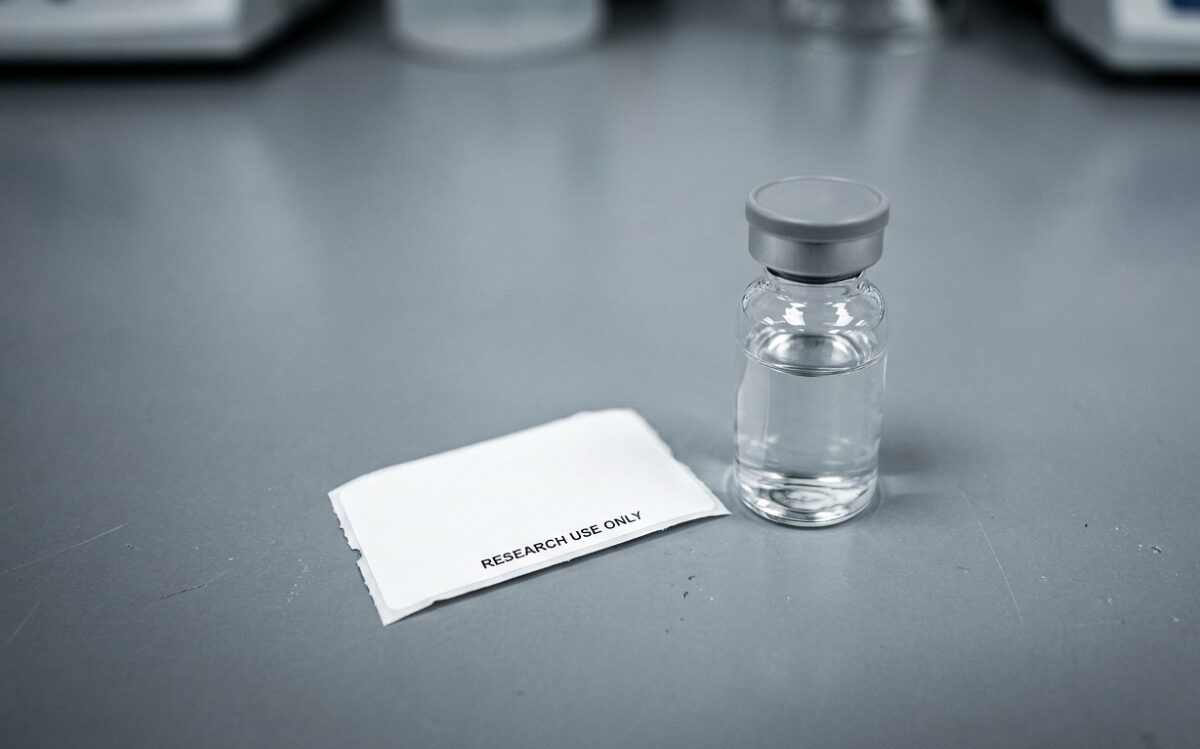
Eli Lilly has filed six lawsuits against United States companies. It accuses them of selling illegal versions of its experimental obesity drug, which remains in Phase 3 trials. The retatrutide black market runs through peptide websites, medical spas and wellness clinics. Lilly says it has reported more than 14,000 listings marketing the drug across over 100 countries. No regulator anywhere has approved retatrutide for human use. The company announced the filings on 12 August 2026.
The escalation matters well beyond a single molecule. Lilly reports weight loss figures from its Phase 3 programme that exceed those published for approved obesity drugs, although no head-to-head trial has yet reported. Demand arrived years ahead of any approval decision. Sellers operating outside medicines law have filled that gap. The retatrutide black market has since grown into a global enforcement problem.
Six lawsuits, five of them in Texas
According to the filings, dated 12 August, Lilly named six defendants. They are Aesthetic Envy Cosmetic Centers in California, sued in the Northern District of California, and five Texas businesses: Astra LLC, trading as Astra Peptides, and Texas Peptides in the Western District, Legendary Peptides in the Eastern District, and Striker Pharmacy and Lone Star Peptide Co in the Southern District. Lilly alleges each sold or supplied unapproved retatrutide for human use. The claims are untested and no defence has yet been filed.
The defendants span three business models. One is a medical spa. One is a compounding pharmacy. The rest sell peptides online. Lilly alleges that several marketed products as “research use only” while intending them for human use. Legendary Peptides told BioPharma Dive it had no immediate comment, and the other five did not respond to requests from that publication or CBS News. CBS reported that Lone Star Peptide, Texas Peptides and Aesthetic Envy subsequently removed retatrutide from their websites.
“What is being sold on the black market is not a medicine,” David A. Hyman, Lilly’s Chief Medical Officer, said in the company’s announcement.
Litigation forms only part of the response. Lilly says it has referred more than 200 individuals and entities to federal and state authorities. Those include the FDA, the Department of Justice, state attorneys general and professional licensing boards. It has also reported more than 14,000 websites, adverts, social media posts and product listings to internet providers and platforms.
The campaign widened again on 17 August. Lilly Canada issued a public safety notice about illegal retatrutide sold online and through social media.
Why the retatrutide black market outran the regulator
Retatrutide is a triple hormone receptor agonist. It acts on the GLP-1, GIP and glucagon receptors simultaneously. That design has produced substantial trial results.
In the pivotal Phase 3 TRIUMPH-1 study, participants on the highest 12 mg dose lost an average of 28.3% of body weight at 80 weeks on the efficacy estimand. Those figures travelled quickly across social media. The compound acquired a nickname, triple-G, long before any regulator received a filing.
Approval remains some distance away. Lilly said in July that it now expects to submit its FDA application in the first quarter of 2027. The company attributed the delay to time needed to assemble manufacturing and quality control data.
That leaves a window of at least a year. The retatrutide black market has expanded to fill it.
What is actually in the vials
The FDA position is unambiguous. Retatrutide cannot be lawfully compounded, because it is not a component of any approved medicine. The agency has warned telehealth companies, ingredient distributors and outsourcing facilities.
It has also addressed the research use only label directly. The FDA says such products are of unknown quality and may harm the health of consumers. The label is a seller disclaimer rather than a safety designation.
The risks follow from the manufacturing gap. A vial with no verified concentration invites dosing errors, because a syringe measures volume rather than strength. Injectables made outside licensed facilities also carry contamination risk. Nothing sold through these channels is subject to identity, purity or sterility testing.
Precedent exists for the worst outcomes. In November 2023 the MHRA reported five Yellow Card cases involving Ozempic and Saxenda pens. The agency said those pens were confirmed as falsified with insulin. Some recipients were hospitalised or required urgent care, with hypoglycaemic shock among the reported effects. Those cases involved semaglutide and liraglutide products rather than retatrutide. They show what falsified GLP-1 injections can contain.
Harm signals are now appearing for retatrutide itself. Exposures reported to America’s Poison Centers averaged around 95 cases a month across the first four months of 2026. That represents a 265% rise on the final four months of 2025. The figures were cited in a CBS News investigation. Public Citizen counted 14 hospitalisations recorded in the FDA adverse event database by June 2026 in reports naming the drug. Adverse event reports are submitted voluntarily and do not establish that a product caused the outcome described.
The retatrutide black market reaches the UK
British enforcement against the retatrutide black market has been unusually forceful. The UK picture also differs from the American one in a significant respect. Criminal networks here are not simply importing product. They are manufacturing it.
In October 2025 the MHRA raided a warehouse near Northampton. Officers found tens of thousands of empty injection pens and raw chemical ingredients. They also seized more than 2,000 unlicensed retatrutide and tirzepatide pens. The agency called it the first illicit weight loss medicine production facility discovered in the UK.
Further raids followed in February 2026 at a farm near Sleaford and an address in Grantham. Officers seized almost 2,000 doses awaiting dispatch to customers.
The largest operation came on 28 May 2026. MHRA officers raided a country estate near Northampton and recovered around 12,000 doses. Two men, both aged 29, were arrested on suspicion of offences under the Human Medicines Regulations 2012.
“Medicines regulation isn’t discretionary: it exists to protect people,” said Andy Morling, Head of the MHRA’s Criminal Enforcement Unit.
The scale of the wider trade is now measurable. The agency reported seizing more than 5,000 illegally traded GLP-1 products across 2025. It also disrupted more than 1,500 websites and social media accounts selling medical products unlawfully.
Where enforcement has fallen short
Warning letters have not closed the retatrutide black market. Public Citizen found that the FDA sent 14 such letters to retatrutide sellers from December 2024. By May 2026, eleven of those companies were still advertising retatrutide or other unapproved peptides. Eight were still selling retatrutide itself.
Bloomberg placed the figure higher, reporting letters to at least 16 companies since 2024. Its analysis found many still offering the drug on 11 August 2026.
Public Citizen identified two structural weaknesses. The FDA lacks resources to pursue seizures and injunctions without Department of Justice coordination. State enforcement also varies widely between jurisdictions.
Criminal prosecution has begun, however. On 30 July 2026 a federal judge in Indiana sentenced Matthew Kawa to 70 months in prison. Kawa owned Paradigm Peptides and also forfeited $5 million. Prosecutors said the company had 54,000 customers across 50 states and 80 countries. The case concerned research use only peptides generally rather than retatrutide specifically. Penalties of that scale remain rare.
Border data indicates the volumes involved. US Customs and Border Protection told Reuters about its fiscal 2025 interceptions. The agency stopped more than 690 shipments of illicit GLP-1 products, totalling over 31,000 units. During July 2026 alone it recorded more than 1,400 seizures and close to 90,000 vials. Those figures cover illicit GLP-1 products generally, not retatrutide alone.
Prescriber behaviour compounds the problem. A CBS News investigation identified more than 120 websites and over 50 clinics promoting the drug. Many were staffed by licensed physicians and nurse practitioners. At least 21 clinics removed retatrutide from their websites after reporters made contact. The episode underlines a wider credentialing gap across peptide medicine. It also distinguishes this trade from a conventional counterfeiting case.
Cutting the infrastructure
Lilly’s announcement makes one demand that could act faster than any court. It asks payment processors, credit card companies, shipping carriers and e-commerce platforms to withdraw services from illegal sellers. Those services underpin the illegal trade.
The reasoning is practical. Six lawsuits will take years to resolve. The market is far larger than six defendants. Payment and logistics infrastructure, by contrast, can be withdrawn within weeks.
“This is a global problem and it’s an enormous one,” Max Denning, an Associate Vice President who oversees global patient safety for Lilly’s cardiometabolic health division, told CBS News. He added that six lawsuits would not be the solution to everything, but were a start.
What happens next
Two timelines now run in parallel. Lilly expects to file for FDA approval during the first quarter of 2027. That date is not fixed. The company is in active litigation with the FDA over retatrutide’s regulatory classification. The dispute is whether it should be reviewed as a biologic or a drug. Chief Executive David Ricks has called an initial court ruling mixed. The illegal market continues to operate throughout.
The company has opened one narrow alternative. It confirmed this month that a limited number of patients may be granted early access before approval, with the treating physician applying on the patient’s behalf. Applicants must meet specific medical criteria, and most people seeking the drug will not qualify.
For clinicians, the immediate task is disclosure. Patients may already be injecting a product of unknown origin. Documentation is frequently absent or written in a language the prescriber cannot read.
The wider question is whether any of this arrives in time. A licensed product will eventually reach patients. The retatrutide black market has had a two-year head start.