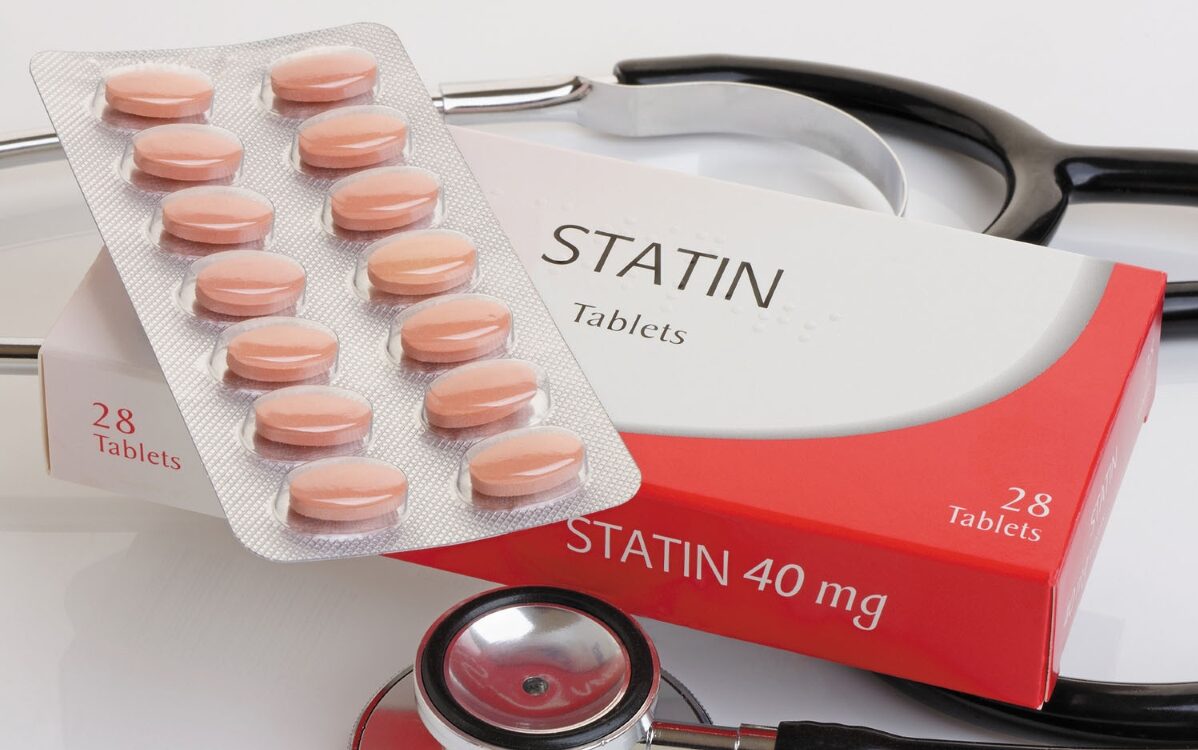
Cholesterol-lowering drugs known as statins, taken by millions worldwide, are significantly safer than often perceived, according to a major new scientific analysis. Conducted by the Cholesterol Treatment Trialists’ (CTT) Collaboration and published in The Lancet, the findings challenge long-standing concerns about side effects and reinforce the role of statins as a cornerstone of cardiovascular disease prevention.
The review analysed data from multiple large-scale clinical trials and observational studies, examining both the benefits and risks of statin therapy. Researchers concluded that serious adverse effects are rare and that the protective benefits of statins far outweigh the potential harms for the vast majority of people prescribed the medication.
Reassessing Statin Safety and the “Nocebo Effect”
Statins are widely prescribed to reduce levels of low-density lipoprotein (LDL) cholesterol, often referred to as “bad cholesterol”, which is a primary risk factor for heart attacks and strokes. Despite overwhelming evidence of their effectiveness, statins have been subject to public debate over reports of muscle pain, fatigue, and other side effects.
The new review found that many commonly reported symptoms occur at similar rates in people taking statins and those given placebo treatments. This suggests a substantial proportion of side effects are likely caused by the nocebo effect, where the expectation of harm leads to the experience of symptoms, rather than the pharmacological properties of the drug itself.
Researchers noted that muscle-related symptoms were uncommon and usually mild, while severe muscle damage, such as rhabdomyolysis, remains extremely rare.
Clear Cardiovascular Benefits
The review reaffirmed that statins substantially reduce the risk of major cardiovascular events, including heart attacks, strokes, and cardiovascular-related deaths. These benefits were consistent across different age groups, sexes, and levels of baseline risk.
For people with established cardiovascular disease, statins were shown to be particularly effective, preventing large numbers of serious events when taken long-term. Even among individuals without prior heart disease but with elevated risk factors, statins provided meaningful protection. Experts involved in the review emphasised that discontinuing statins due to fear of side effects can significantly increase the risk of a life-threatening event.
Addressing Diabetes and Cognition
Statins have previously been linked to a slightly increased risk of developing type 2 diabetes, particularly in people already at high risk. The review confirmed this association but described the absolute risk as small and vastly outweighed by the reduction in cardiovascular events.
Furthermore, concerns about memory loss and cognitive decline were not supported by the evidence. Across multiple studies, statin use was not associated with an increased risk of dementia, and some data even suggested a potential protective effect against cognitive decline.
Implications for Patients and Clinicians
The authors of the review stressed the importance of clear communication between clinicians and patients. Misunderstanding of statin risks has contributed to reduced adherence and unnecessary discontinuation, undermining global preventive efforts.
Public health experts from the World Health Organization emphasise that as cardiovascular disease remains the leading cause of death globally, building confidence in effective therapies is critical. This shift toward evidence-led confidence is similar to the transparency required in modern mental health pharmacology, where clear data is essential to managing patient expectations.
Conclusion
The latest evidence suggests that statins are far safer than many people believe. For the vast majority of patients, the benefits of statin therapy in preventing heart attacks and strokes greatly exceed the risks. Health experts hope these findings will encourage informed decision-making and improve adherence to one of the most effective and widely studied classes of medicines in modern healthcare.