
When people think about pelvic pain, they often think about symptoms.
Cramping.
Heavy bleeding.
Fatigue.
Bloating.
Pain during intimacy. Bladder urgency.
What is discussed far less is the occupational impact of pelvic pain: the way pain changes a person’s ability to participate in everyday life.
As an Occupational Therapist and founder of a pelvic pain support company, I have seen firsthand how persistent pain affects not just physical comfort, but identity, confidence, routines, relationships, work capacity and energy conservation.
Many people with pelvic pain become experts in functioning while unwell. They get to know themselves, their environments and their tasks on a deeper level.
They learn which meetings they can survive without pain relief. They keep heat packs & TENS machines in their office desks. They calculate how far they are from a bathroom. They weigh up whether attending a social event is worth the physical recovery that may follow.
For mothers, pain does not pause parenting demands. For students, it does not pause deadlines. For people in the workforce, it rarely pauses expectations.
This is one reason pelvic pain can become so emotionally exhausting. People are often expected to continue performing at full capacity while managing symptoms that can significantly disrupt concentration, sleep, mobility and quality of life.
Historically, many pain support products have also failed to consider this reality. Pain management has often been designed around resting, stopping or staying home, rather than helping people continue participating in meaningful activities safely and comfortably.
This gap became increasingly obvious to me while navigating pelvic pain personally and professionally. I saw how many people were trying to adapt generic or clinical pain relief products into everyday life with limited success.
The reality is that people do not only experience pain on the couch. They experience it while commuting, parenting, studying, working, shopping, exercising and existing in public spaces.
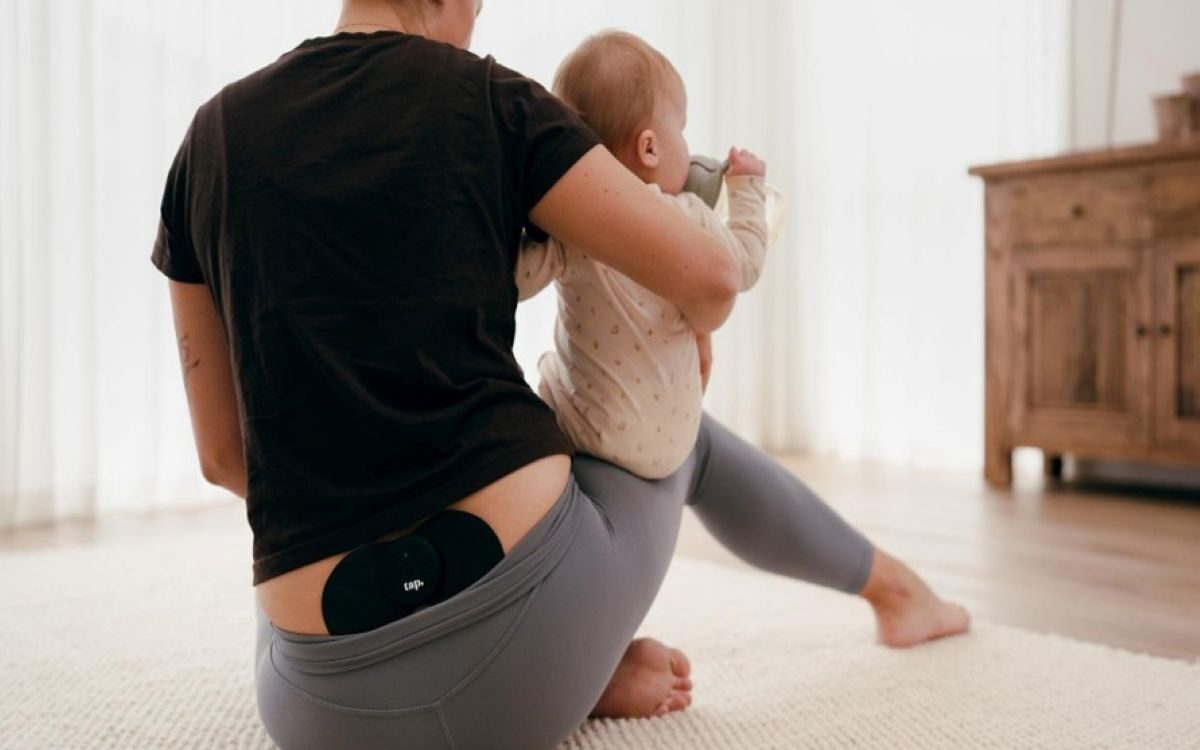
That understanding ultimately shaped the development of Tap. Health and Tap 2.0, a wearable TENS device designed specifically for pelvic pain and real-life use. The goal was not simply symptom reduction, but improved participation: helping people feel more capable of moving through daily life with greater support. The proof is in the uptake from pelvic specialist clinics and physiotherapy clinics who are recommending Tap 2.0 TENS to their patients.
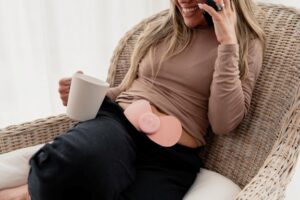

Occupational Therapy often focuses on adapting environments, tools and routines to improve a person’s ability to participate in meaningful occupations. Pelvic pain support deserves the same thinking.
The conversation around pelvic pain should not only focus on whether people are surviving their symptoms. It should also ask whether they are being properly supported to live their lives.
As awareness around women’s health continues to grow globally, there is an opportunity to rethink what pain support looks like practically, emotionally and socially.
Pain management should not require disappearing from everyday life. Thoughtful, wearable and evidence-informed support options can play an important role in helping people participate more fully in work, relationships, parenting and the activities that matter most to them.
May is pelvic pain awareness month, an important time to reflect on this conversation.
Author Bio

Maxine Lindsay, NZROT, Founder Tap. Health
Maxine Lindsay is an occupational therapist, women’s health educator, and health tech founder passionate about bridging the gap between clinical care and everyday life. Her work focuses on improving access to evidence-based education, innovative health solutions, and better support for people navigating pelvic pain and women’s health conditions.