THX Pharma (formerly known as Theranexus) has entered into a strategic licensing agreement with French pharmaceutical company Biocodex covering two experimental programs, Batten-1 and TX01, in a move aimed at accelerating development and expanding commercial reach.
Under the terms of the agreement, Biocodex will obtain exclusive rights to develop and commercialize the therapies in specific territories. Biocodex has secured an exclusive worldwide license for Batten-1, while for TX01, it has acquired an exclusive license for the United States and Canada. THX Pharma stands to receive total payments of up to €173 million, including a €12 million upfront payment and up to €161 million in development and sales milestones, plus double-digit royalties on future sales.
Focus on Rare Neurological Disease
Batten-1 is being developed for juvenile Batten disease (CLN3), an ultra-rare and fatal neurodegenerative disorder that primarily affects children. The condition is characterized by progressive loss of motor and cognitive function, seizures, and vision impairment. Currently, no approved treatment exists for the CLN3 form of the disease.
Batten-1 is a proprietary formulation of miglustat, which works by blocking the accumulation of glycosphingolipids and reducing neuroinflammation to prevent brain cell death. The program, originally initiated by the Beyond Batten Disease Foundation (BBDF), is currently preparing for a Phase 3 clinical trial planned for initiation in 2026.
TX01 is aimed at two other rare lysosomal storage disorders: Gaucher disease type 1 and Niemann-Pick disease type C. Early research suggests that its adapted oral formulation of an already approved active ingredient could improve treatment administration and better address the specific needs of these patients.
Strategic Fit for Both Companies
For THX Pharma, the agreement represents an opportunity to leverage Biocodex’s established presence in neurology and rare diseases. While THX Pharma will continue to lead clinical development, Biocodex will provide financial and scientific support and manage compassionate use programs and market access.
Biocodex, which has a history of developing treatments in gastroenterology and orphan diseases, said the deal strengthens its pipeline in rare pediatric neurological conditions.
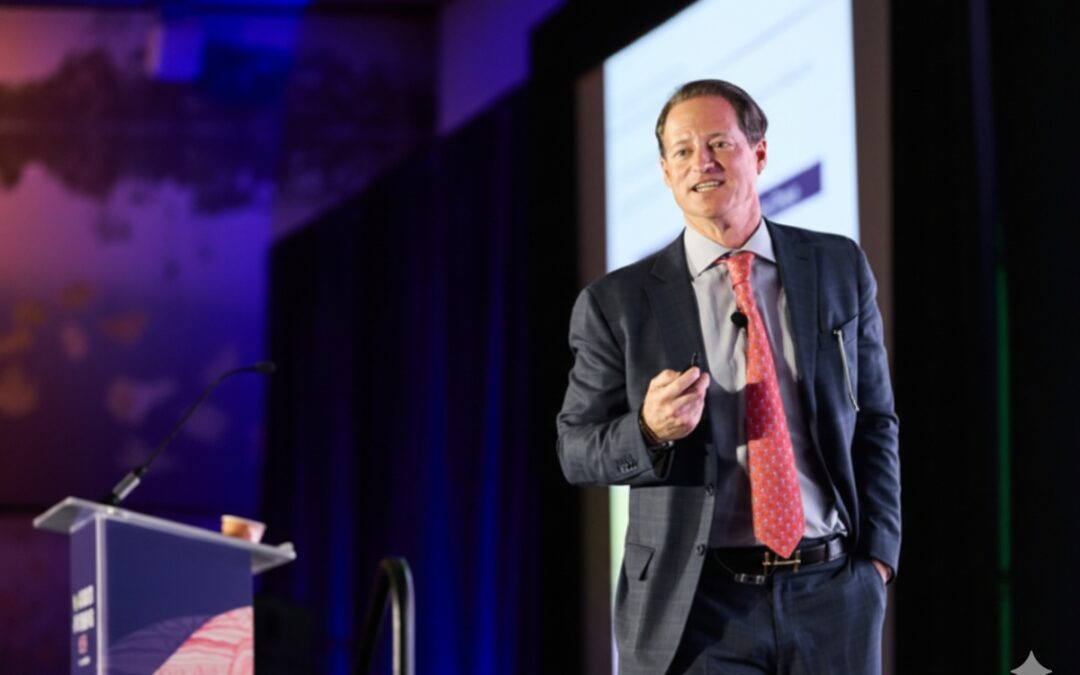
“This strategic agreement validates the scientific value of our assets by partnering with a leading French pharmaceutical company,” said Mathieu Charvériat, CEO of THX Pharma. “It enables the launch of a more ambitious project, maximizing our chances of success for the benefit of patients.”
Advancing Development and Access
Licensing agreements of this kind are common in the biotechnology sector, where smaller companies often partner with more established pharmaceutical groups to fund late-stage trials. By securing Biocodex as a partner, THX Pharma aims for an international launch of Batten-1 by 2030.
As rare disease research continues to attract investment, this collaboration highlights ongoing efforts to bring new therapies to underserved neurological conditions where treatment options remain nonexistent or very limited.