US and UK Agree Zero Tariffs Deal on Pharmaceuticals: What It Means for Patients, Innovation and Global Pharma Trade
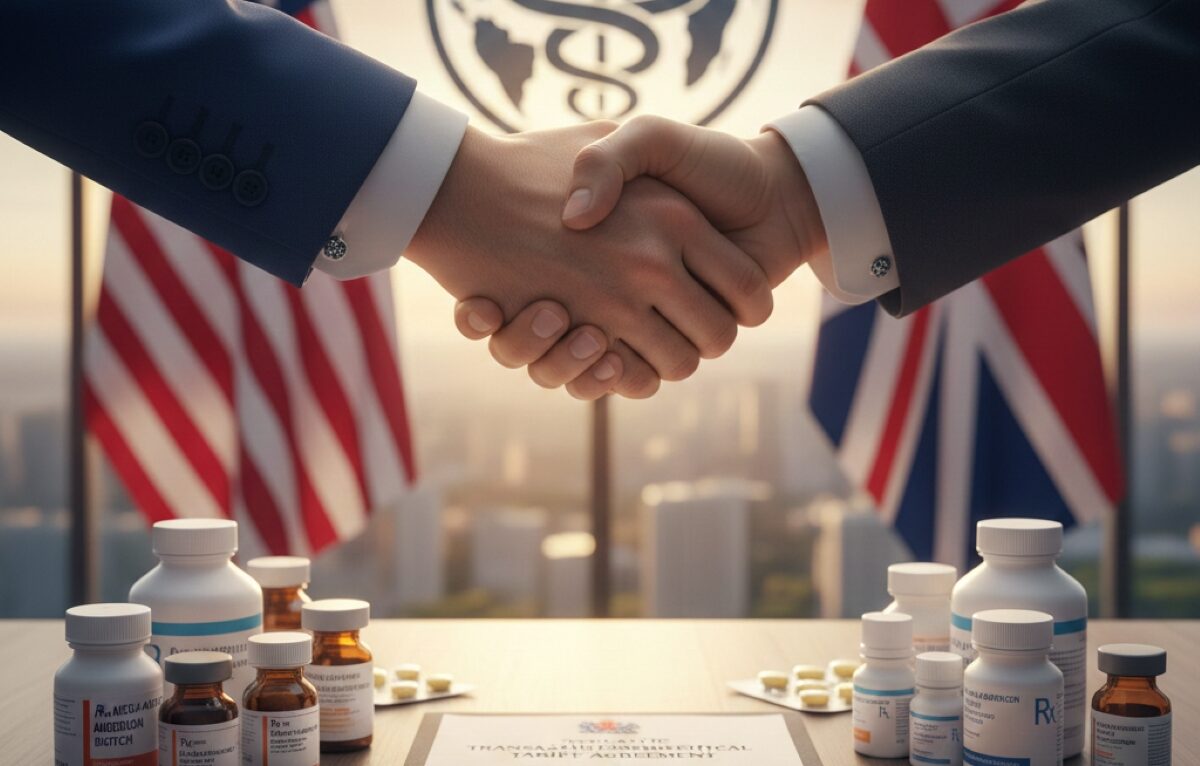
The United States and the United Kingdom have reached a landmark trade agreement that eliminates tariffs on UK-origin pharmaceuticals, active pharmaceutical ingredients and medical technology exported to the US. The agreement, part of the broader UK–US Economic Prosperity initiative, is being described by both governments as a significant step forward for the life sciences sector and a meaningful change to transatlantic pharmaceutical trade. The announcement was confirmed by the Office of the US Trade Representative, which detailed the new tariff-free framework in its official statement.
What the Deal Includes
Under the agreement, the US will apply 0 percent tariffs to medicines, medical device products, pharmaceutical ingredients and medical technologies originating in the UK. This represents an unprecedented level of preferential access for UK drugmakers, according to the UK government announcement. The deal is set to last for a minimum of three years, during which UK exporters will enjoy tariff-free access to the American market. Reports from Sky News highlight that this will simplify supply chains and reduce export costs for British manufacturers.
In parallel, the UK government has committed to increasing NHS spending on innovative medicines by roughly 25 percent, updating NICE’s value-assessment framework and reducing rebate repayment rates under existing pricing schemes. These commitments were outlined in the government’s detailed policy release, which frames the deal as a way to safeguard medicine access for patients and strengthen the UK’s position as a global life sciences hub.
Why It Matters
Improved access to innovative medicines is one of the most immediate effects. With lower trade barriers, UK-origin treatments may enter the US market more easily, and reciprocal alignment means American therapies could reach the UK more quickly. The Association of the British Pharmaceutical Industry noted that the shift could accelerate patient access to breakthrough treatments and bolster UK competitiveness in global research and development.
The deal is also expected to boost investment into UK life sciences. By eliminating tariffs and committing to a more supportive domestic regulatory environment, the UK becomes a more attractive base for pharmaceutical R&D, advanced manufacturing and high-value exports. This aligns with the government’s strategic focus on strengthening the UK’s role in biopharma and med-tech innovation.
However, the increased NHS spending commitment brings fiscal implications. The Guardian reported that the reforms could raise annual NHS drug spending by up to £3 billion, prompting debate about affordability and public-sector budget pressure. The government argues that improved access to innovative medicines will generate long-term value for public health.
What to Watch Next
-
Implementation details — Which UK-origin products qualify for zero tariffs (medicines, APIs, med-tech) and how enforcement will be handled.
-
NICE’s new value-assessment thresholds — Whether the revised cost-effectiveness criteria enable more innovative or high-cost drugs to be approved for NHS use.
-
Industry reaction and investment flows — Whether drugmakers ramp up manufacturing or R&D in the UK, or redirect exports to the U.S.
-
Impact on NHS budgets and access — Will increased spending deliver improved access to novel therapies without straining public finances.
-
Global ripple-effects — How other countries and trade partners respond; whether this framework becomes a model for future pharma-trade agreements.
Bottom Line
The US–UK zero tariffs deal on pharmaceuticals represents a potentially transformative moment for transatlantic trade and the future of UK life sciences. By removing tariffs and modernising domestic pricing and access frameworks, the agreement aims to expand patient access to innovative medicines, strengthen the UK’s competitiveness and reshape global pharmaceutical supply chains. For both patients and industry, it marks the beginning of a new era of collaboration and opportunity.