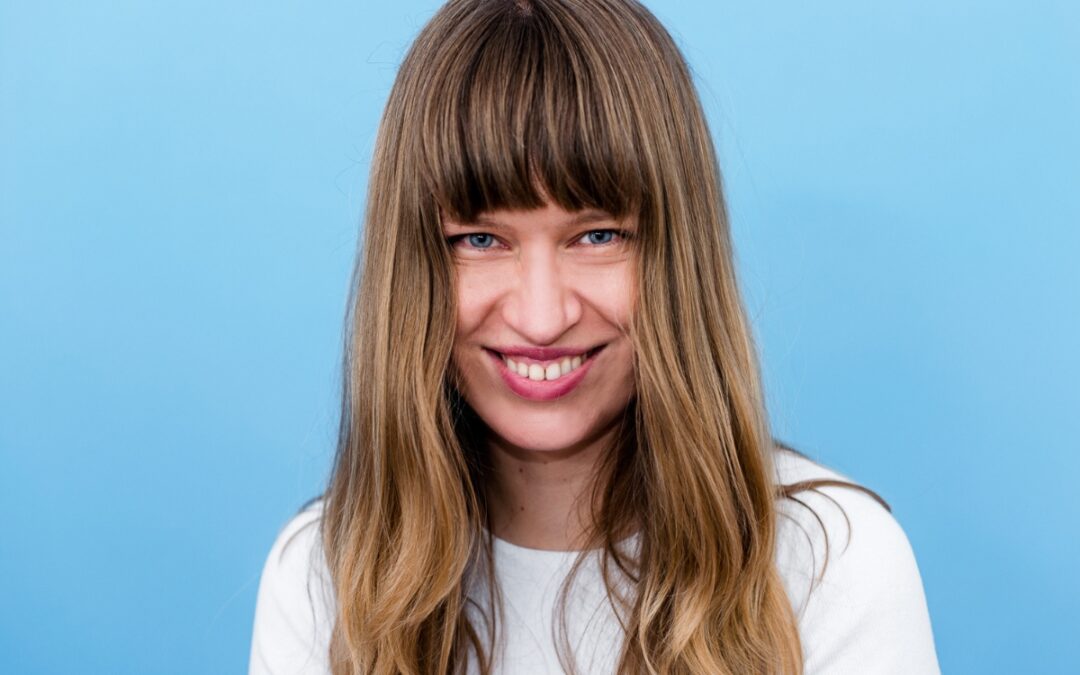

Hormone health expert and bestselling author Dr Louise Newson explains why we’ll all be tracking our hormones in 2026.
The use of period tracking apps and menopause symptom tracker apps are at an all-time high. And it’s no wonder. These apps can be incredibly useful for managing your health, whether you use a period tracking app while trying to get pregnant, a hormone app to monitor your perimenopause, menopause, PMS or PMDD symptoms, or others to track your mood, diet and exercise.
As a hormone health expert, I’m an advocate for women to track symptoms to understand how they impact their entire body and to be able to use this data to start conversations with healthcare professionals.
Why we need to track hormones
70% of perimenopausal and menopausal women experience the topics we talk the most about online (hot flushes and night sweats) but there are many more and often more severe symptoms of perimenopause and menopause that many women may not be familiar with. Tracking can help pinpoint these.
Hormone receptors are actually present in every cell in your body, so when levels of estradiol (the beneficial type of estrogen), progesterone and testosterone fluctuate and fall during perimenopause and menopause, this can leads to many symptoms occurring throughout your body, as well as risks to future health.
That’s why, I really think that monitoring symptoms when it comes to hormone health is going to be key this year. But it’s not just for women approaching menopause.
Tracking hormones isn’t just about menopause
In our own app, Balance (available on the App store and Google play), we’ve had hundreds of thousands of people of all ages track their symptoms. It’s important we do this to understand the role of hormones across our entire body, and understand how when these hormone levels change, symptoms can be triggered. I want more people in 2026 to track their hormones to see how they impact their whole body and use this data wisely.
But this shouldn’t just be those going through menopause, but things like perimenopause, PMDD, PCOS and postnatal depression too. Hormones shouldn’t be something you neglect to think about until you’re in your 40s, and we’ll hopefully see a change in the age range of people tracking their hormones in 2026 too.
The understanding of our hormones will really change this year. It’s not just about knowing about HRT anymore, but all the different hormones like Progesterone and Testosterone and how they actually work in our bodies as seperate hormones and the effect they have.
Hormone health tracking for the bigger picture
It’s not just tracking and understanding for symptoms but for our future health too. And this is the next thing that will change in 2026 in relation to health we’re not just thinking about and monitoring symptoms but also the health risks of not having these hormones, whilst monitoring our cardiometabolic health, thinking about our activity, blood pressure, blood glucose. This all feeds in together to understand our bodies through hormone tracking.
Making sure your data is protected
It’s worth noting that as hormone tracking becomes more popular, you should be mindful of how your data is used. Researchers have found that some menstrual apps sell users’ data to third parties, and such information can then be used for consumer profiling – allowing third parties to bombard women with advertising, but also exposing them to security risks. Some menopause apps have also come under scrutiny, with one review finding some put the sensitive health data of menopausal women at risk.
I created the Balance app to not only give women the knowledge and confidence they need to help manage their health but also with strict privacy and data sharing policies. We keep data safe and never sell personal data to third parties or share with companies like Google, Facebook, or pharmaceutical organisations for their own marketing or commercial purposes.
Tracking your hormone health should be empowering and insightful, so make sure you’re aware of how your data is being used when signing up to trackers.
For more resources on menopause, perimenopause and female hormones, download Balance, Louise’s menopause and hormone app here: https://www.balance-menopause.com/
Want to know more about Life Science Daily News and how you can publish your news, visit https://lifesciencedaily.news/life-science-daily-news-join-the-community/