

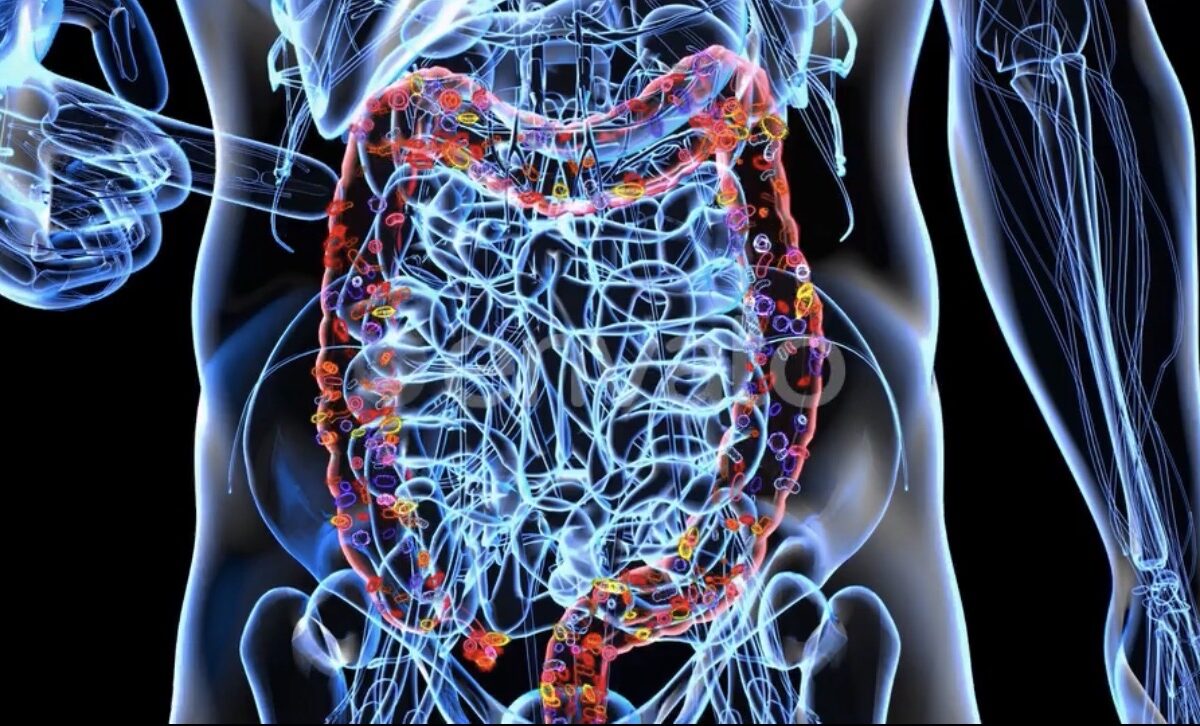
Over the last decade, obesity management has undergone a structural transformation. What was once a field dominated almost exclusively by bariatric surgery has evolved into a far more nuanced metabolic discipline. The rise of GLP-1 receptor agonists and dual incretin therapies has reshaped pharmacologic care, while minimally invasive endoscopic techniques such as endoscopic sleeve gastroplasty (ESG), intragastric balloon therapy, and revisional endoscopic procedures have created a therapeutic bridge between medication and surgery.
Yet, despite this progress, one essential biological dimension remains insufficiently integrated into routine clinical practice: the gut microbiome.
Obesity is no longer viewed as a simple imbalance between caloric intake and expenditure. It is a chronic metabolic condition influenced by endocrine signaling, inflammatory pathways, insulin resistance, and gut-host interactions. Within this framework, the microbiome functions less as a secondary contributor and more as a dynamic metabolic organ. Its composition affects energy harvest efficiency, short-chain fatty acid production, bile acid metabolism, systemic inflammation, and satiety regulation.
Research linking microbial diversity to metabolic dysfunction has expanded considerably in recent years. However, clinical implementation has lagged behind. In many centers, microbiome science remains largely academic rather than embedded within structured obesity programs. This gap represents not only a scientific limitation but also a strategic opportunity.
The rapid adoption of GLP-1–based therapies has reshaped patient expectations. These agents have demonstrated meaningful effects on appetite regulation, gastric emptying, and glycemic control. Emerging data suggest that GLP-1 therapies may also influence gut microbial composition, and that baseline microbial diversity may, in turn, affect therapeutic response. If confirmed in larger prospective studies, this bidirectional interaction could support more personalized metabolic protocols.
In practical terms, microbiome profiling may eventually help identify patients who are more likely to respond favorably to pharmacologic therapy and those who may require combined or alternative strategies. In an era where GLP-1 therapy is often viewed as long-term or even indefinite, improving treatment durability and metabolic quality is increasingly important.
Endoscopic bariatric therapies introduce another layer of metabolic modulation. ESG, intragastric balloons, and revisional endoscopic suturing modify gastric anatomy and motility without tissue resection. These interventions alter nutrient flow, gastric emptying patterns, and neurohormonal signaling. It is reasonable to assume that such physiological changes also influence microbial ecology, yet post-procedural follow-up rarely incorporates structured microbiome assessment.
This consideration becomes particularly relevant in revisional scenarios, such as Argon Plasma Coagulation (APC) or endoscopic suturing for weight regain after bariatric surgery. Weight recurrence is often approached as a mechanical or behavioral issue, but inflammatory and metabolic contributors are frequently involved. Integrating microbiome stabilization strategies, targeted nutritional modulation, and metabolic biomarker monitoring may enhance long-term durability.
Modern obesity care must move beyond focusing solely on kilograms lost. Metabolic quality matters. Insulin sensitivity, inflammatory burden, hepatic function, body composition, and hormonal balance are central to long-term cardiometabolic health. The microbiome intersects with each of these domains. Short-chain fatty acids produced by gut bacteria participate in immune regulation and insulin signaling, while dysbiosis has been associated with adipose tissue inflammation and non-alcoholic fatty liver disease.
From a systems perspective, forward-looking obesity centers will likely evolve into integrated metabolic platforms. In this model, pharmacologic therapy, endoscopic intervention, endocrine oversight, laboratory monitoring, and microbiome-informed nutritional strategies operate within a coordinated framework. Patients are followed longitudinally rather than treated episodically, reflecting the chronic nature of obesity.
Significant research questions remain. Does baseline microbial diversity influence the durability of ESG? Can targeted microbiome modulation reduce post-balloon weight regain? Are specific microbial signatures associated with enhanced GLP-1 responsiveness? Prospective clinical studies integrating microbiome analysis into hybrid obesity treatment models are needed to clarify these relationships.
Obesity represents a structural metabolic challenge affecting multiple generations. Addressing it requires integration rather than fragmentation. Pharmacologic innovation has provided powerful tools. Endoscopic techniques have expanded minimally invasive options. The microbiome may represent the stabilizing layer that enhances durability and metabolic resilience.
The question is no longer whether the microbiome matters. The question is how quickly clinical practice will meaningfully incorporate it into modern metabolic care.
Author Bio

Dr. Flavio Mitidieri Ramos, MD, MSc, FASGE, is a gastroenterologist and advanced endoscopist with more than 18 years of clinical experience in therapeutic endoscopy and metabolic interventions. He is a Fellow of the American Society for Gastrointestinal Endoscopy (FASGE), a clinical researcher, and a peer reviewer for Springer Nature (Obesity Surgery). Dr. Ramos serves on international editorial boards and has contributed to innovation in minimally invasive bariatric therapies, including involvement in regulatory and CE mark renewal processes for gastric balloon technologies. His work focuses on integrating endoscopic, pharmacologic, and metabolic strategies to optimize long-term obesity outcomes.