

Product characterisation remains the critical test of submission strength
The US Food and Drug Administration (FDA) convened a roundtable on the Premarket Tobacco Product Application (PMTA) process, bringing together discussions on product characterisation, manufacturing oversight and toxicological assessment. What became clear across the day was not the introduction of new concepts, but a sharpening of emphasis around how existing expectations are applied. Here, Chris Allen, CEO of Broughton, shares his reflections from the discussion.
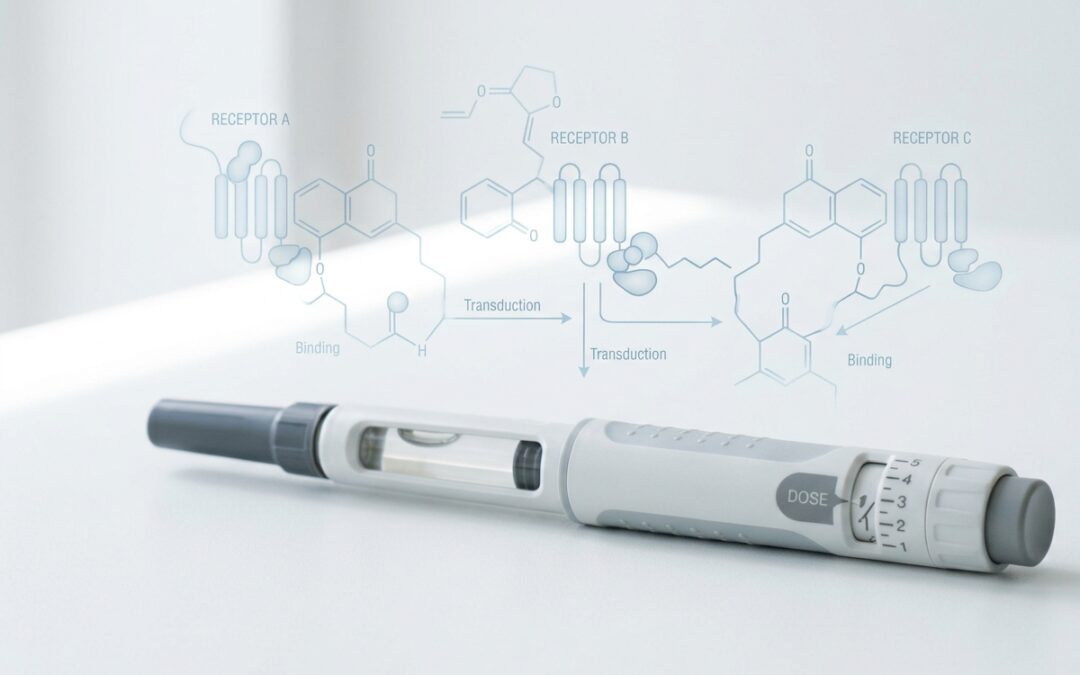
One of the strongest impressions was the framing of electronic nicotine delivery systems (ENDS) as fully formulated consumer products whose risk profile is determined by design. The emphasis on ingredients, materials and emissions was deliberate. That framing reinforces something applicants sometimes underestimate: risk is evaluated at the level of the specific product under review. Broad comparisons offer limited reassurance. Detailed ingredient disclosure, measurement of harmful and potentially harmful constituents (HPHCs) and stability evidence tied to chemical endpoints remain central to demonstrating product understanding.
Stability in particular appeared to carry weight. Tracking nicotine degradants over time was discussed as part of understanding product behaviour rather than as supplementary data. That reflects a view of characterisation as dynamic rather than static. A PMTA must show how a product performs throughout its intended shelf life, not simply how it performs at release.
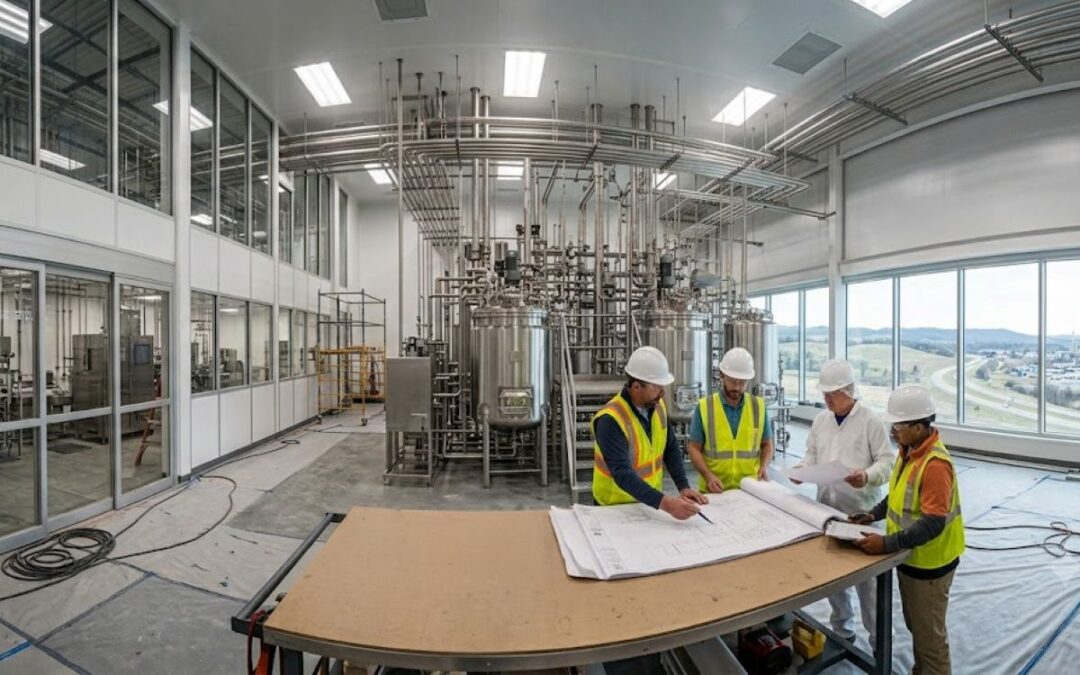
The discussion on manufacturing controls reinforced this emphasis on accountability. Variability in nicotine concentration was linked directly to abuse liability. Weaknesses in assembly or process discipline were associated with contamination and malfunction risk.
The implication is practical. Characterisation data must align with what is produced at commercial scale. Documentation and batch evidence serve as proof that control is embedded within routine operations. Stability programmes were referenced again in this context, particularly in relation to long-term chemical integrity and microbiological consistency.
Open-system products continue to present complexity. Hardware selection and operating conditions influence emissions in ways that require careful justification. While further clarification may emerge, the expectation that applicants explain their technical choices remains firmly in place.
The final session on toxicology broadened the lens further. Hazard identification was discussed as extending beyond the established HPHC list. Degradation products and material-derived constituents were included within the same evaluative framework.
Reference to compounds newly classified by the International Agency for Research on Cancer signalled that toxicological assessment is expected to reflect current scientific understanding. The attention given to Excess Lifetime Cancer Risk (ELCR) made clear that quantitative modelling is central to translating product design into a public health assessment.
Design choices therefore carry regulatory consequence. Ingredient selection influences emissions. Material quality affects the potential for leachables. Formulation parameters shape degradation behaviour. Toxicological modelling reflects these upstream decisions.
Across the sessions, a coherent pattern emerged. Product definition informs risk modelling. Manufacturing oversight preserves consistency between the characterised product and the marketed product. Quantitative toxicology captures the long-term implications of both.
For companies preparing PMTAs in the ENDS sector, the message from the roundtable is one of evidentiary discipline. Regulatory evaluation continues to centre on demonstrable product knowledge, sustained control and transparent risk assessment. As methodologies such as ELCR modelling become further embedded in review practice, submission strategy must integrate formulation science, process oversight and exposure modelling from the outset.
These discussions signal an environment in which technical precision remains decisive. For applicants, scrutiny appears concentrated on how well the product is understood, controlled and defended across its lifecycle.
Author

Chris Allen, CEO of Broughton
Disclaimer: This article reflects the author’s analysis and is provided for informational purposes only; it does not constitute medical, legal, or official editorial advice from Life Science Daily News. The author is CEO of Broughton, a regulatory consultancy specialising in PMTA submissions.
Editor’s note: The regulation of electronic nicotine delivery systems remains a contested area of public health policy. While some health bodies support reduced-risk alternatives to combustible tobacco, others raise concerns about the long-term health effects of ENDS products and their potential appeal to non-smokers and young people.