
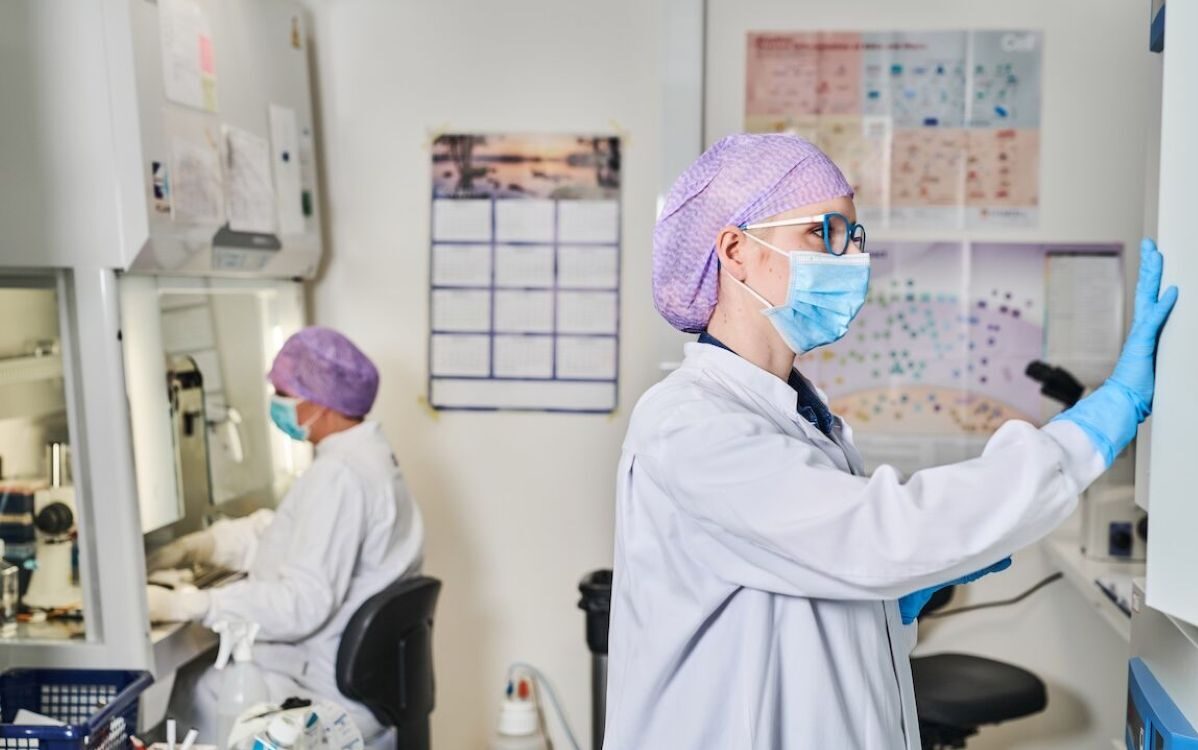
For years, induced pluripotent stem cells, or iPS cells, have stood for one of the most ambitious ideas in modern medicine – that it may be possible to create replacement human cells on-demand and use them to restore lost function in the body. With 20 years of history and awarded with a Nobel Prize, this concept of regenerative medicine has been compelling for a long time. What is changing now is that the field is moving beyond promise and into its first real test of clinical and commercial reality.
That shift is becoming harder to ignore. In Japan, two iPSC-derived therapies – one targeting Parkinson’s disease and another severe heart failure – have received a conditional approval from regulators, marking a historic milestone for regenerative medicine. Whether these products ultimately become long-term commercial successes or not, the direction is clear – iPS-based therapies are no longer confined to research programs and future-facing conference slides. They are beginning to enter the arena where new medicines are judged in the real world.
That is why the most important question facing the field has changed.
For much of the past decade, the central question was whether iPS-based therapies could work at all. Could these cells be differentiated reliably? Could they survive transplantation? Could they function in ways that matter clinically? While those questions have not disappeared, they are no longer the only ones that matter. A growing body of clinical experience now suggests that the conversation is maturing. According to a 2025 review in Cell Stem Cell[1], more than 1,200 patients had been dosed with pluripotent stem-cell-derived products across 115 clinical trials, with no such safety issues having been detected across all the clinical studies to date.
The harder question now is whether these therapies can become widespread medical practise rather than extraordinary demonstrations.
That means asking a different set of questions. Can they be manufactured consistently? Can they be delivered through workflows that work in actual hospitals and clinics, not just highly specialized academic settings? Can manufacturing meet the global demand for therapeutic cells? Can costs be controlled enough to make reimbursement and access realistic? Can regulators harmonize standards across jurisdictions to streamline evidence generation?
These are not secondary issues. They are the issues that will determine whether iPS-based regenerative medicine becomes a real treatment paradigm or remains a field defined by a handful of scientific milestones.
This is where the commercial conversation matters. In the real world, scientific validity and product viability are not the same thing. A therapy can be elegant in concept and even impressive in an early clinical study, but still fail to become a standard of care if manufacturing is too bespoke, logistics are too fragile, or costs are too high to support broad adoption. The next era of iPS-based drug development will therefore not be defined by biology alone. It will be defined by the companies and clinical teams that can integrate biology, manufacturing, delivery and market access from the beginning.
That is also why this moment should be approached with both excitement and discipline. There is a real reason for optimism. The appeal of iPS technology is not difficult to understand. In principle, a well-characterized pluripotent cell line can serve as the starting point for multiple therapeutic products, opening the door to off-the-shelf regenerative medicines that are more standardized and scalable than patient-specific approaches. If that model can be proven, it could reshape how we think about restoring function in tissues damaged by injury or disease.
At the same time, first commercial outcomes will carry weight far beyond any single product. Early setbacks – whether related to safety, durability, manufacturability, or reimbursement – could quickly harden skepticism around the broader field. That would be a mistake. A disappointing first-generation product would not mean that iPS medicine itself has failed. It would mean the field is learning, as every new therapeutic class must, which product concepts, delivery strategies and target indications are most viable.
That is why the indication of where iPS-based regenerative medicine proves itself first matters so much.
Public attention often gravitates toward the biggest and most complex indications, and understandably so. Parkinson’s disease and heart failure are high-need areas that capture the imagination and underline the potential scale of regenerative medicine. But if the goal is to establish iPS therapies as practical, scalable medicines, it makes sense to begin in settings where biology, scale, and monitoring are more tractable.
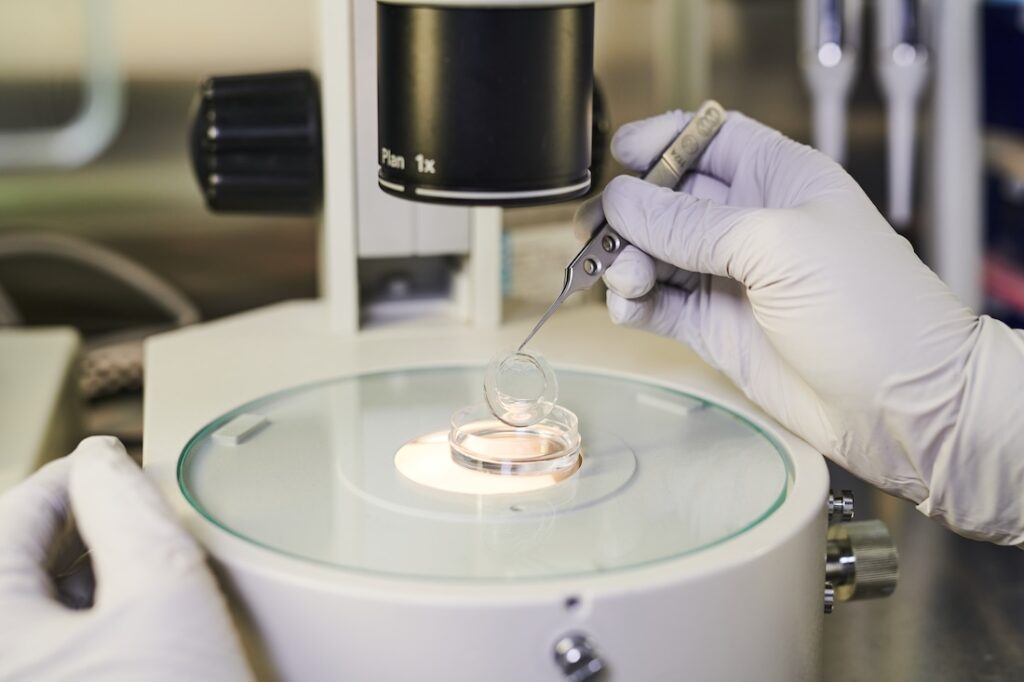
The eye is one such setting.
Ophthalmology is typically an overlooked disease area in medicine, but a great place to showcase regenerative medicine. In fact, retinal cell transplantation was one of the first areas to trial iPS cell therapies. The eye is clinically accessible. Outcomes can often be monitored non-invasively. Because the tissue is small, only a few cells are needed. That makes ophthalmology an important proving ground for therapies that need to demonstrate not only meaningful clinical outcomes, but also practical deliverability and manufacturing and supply on a commercial scale.
This is also the logic behind StemSight’s work in limbal stem cell deficiency, a severe corneal disease in which the stem cells needed to maintain the ocular surface are lost. The company is developing an off-the-shelf iPSC-derived therapy designed to restore the corneal surface through a standardized manufacturing approach. The broader significance is not limited to a single company or indication. Success in a setting like this could demonstrate how iPS-based regenerative therapies are moving from bespoke science toward off-the-shelf treatments.
That is the lens through which I believe the sector should view the current moment.
The arrival of the iPS era does not mean the field has already won. It means the field has entered its proving phase. The next chapter will be shaped less by whether iPS science is exciting – that case is already well established – and more by whether developers can turn that promise into therapies that are manufacturable, durable, and economically realistic.
In other words, the challenge ahead is not simply to show that living medicines can work.
It is to show that they can work repeatedly, reliably, and at a scale that matters. That is the real test now – and if the field meets it, the impact of iPS medicine could extend far beyond today’s first milestones.
About Laura Koivusalo

Laura Koivusalo, D.Sc. Tech, CEO and one of the founders of StemSight
Laura Koivusalo, D.Sc. Tech, is the CEO and one of the founders of StemSight, a regenerative medicine startup aiming to permanently restore lost sight to patients suffering from corneal blindness. On the journey with StemSight, Laura Koivusalo has been selected as one of the Ten Outstanding Young Persons in the World by Junior Chamber International (JCI).
With a doctorate in cell and tissue engineering, Koivusalo has hands-on knowledge in cell and tissue biology and an innovative mindset. Being an engineer, to Koivusalo, means tackling any challenge enthusiastically and always seeking functional solutions. Koivusalo has always worked in multidisciplinary teams, which has taught her to communicate well with people from different backgrounds while working towards common goals. In her volunteer work as a scout, she has also had many years of experience leading diverse teams on projects that provide valuable experiences for younger scouts. Besides science and scouting, Koivusalo’s other interests include improvised comedy, endurance sports, and sailing.
Disclosure: Laura Koivusalo is CEO and co-founder of StemSight, a company referenced in this article.