
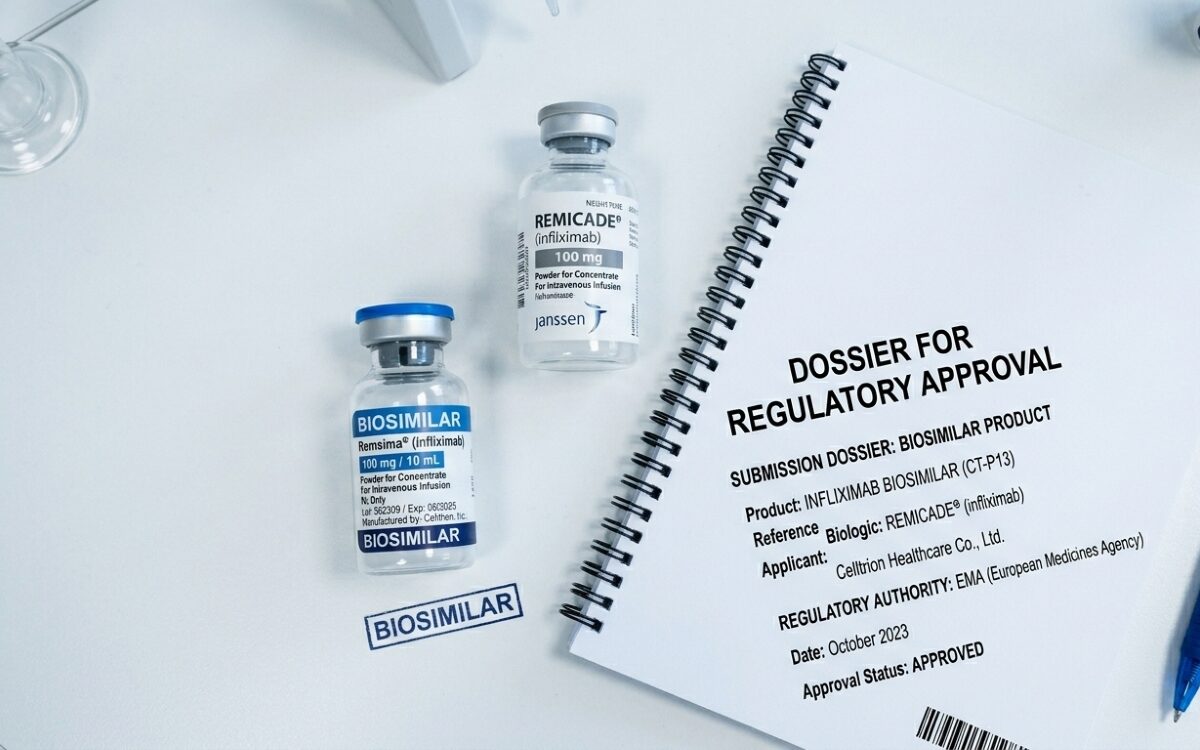
The biosimilar market in 2026 is delivering on years of regulatory groundwork, and the numbers tell a striking story. Since the first US biosimilar was approved in 2015, the sector has generated more than $56 billion in healthcare savings, according to Cardinal Health’s 2026 Biosimilars Report. Today, with 86 products cleared by the FDA and a pipeline rich in high-value targets, the pace is not slowing. For patients, payers, and prescribers, this represents one of the most significant shifts in pharmaceutical access in a generation.
The State of Biosimilar Approvals in 2026
The United States Food and Drug Administration has now approved 86 biosimilars in total, with the most recent additions arriving in May 2026. The current wave is broader and more competitive than any that preceded it, reaching into therapeutic categories once considered out of reach for biosimilar developers, including oncology checkpoint inhibitors and long-acting insulins.
Key FDA approvals recorded so far in 2026 include Langlara (insulin glargine-aldy), an interchangeable biosimilar to Lantus for adults and paediatric patients with type 1 diabetes, and adults with type 2 diabetes, approved on 29 April. Ponlimsi (denosumab-adet), a biosimilar to Prolia developed by Teva and used in the treatment of osteoporosis, received approval on 30 March. Ennumo (pegfilgrastim-pccg), developed by Shionogi and referencing Neulasta for the reduction of chemotherapy-associated febrile neutropenia, was cleared on 7 May. Most recently, Immgolis (golimumab-sldi) and Immgolis Intri (golimumab-sldi), developed by Bio-Thera Solutions and commercialised in the US by Accord BioPharma, received approval on 15 May as interchangeable biosimilars to Simponi and Simponi Aria respectively, for rheumatoid arthritis and ulcerative colitis.
Where granted, the interchangeable designation carries particular clinical and commercial significance. Under FDA rules, an interchangeable biosimilar may be substituted for its reference product by a pharmacist without prescriber intervention in many US states, a pathway that can substantially accelerate patient uptake.
Regulatory Changes Are Reshaping the Pipeline
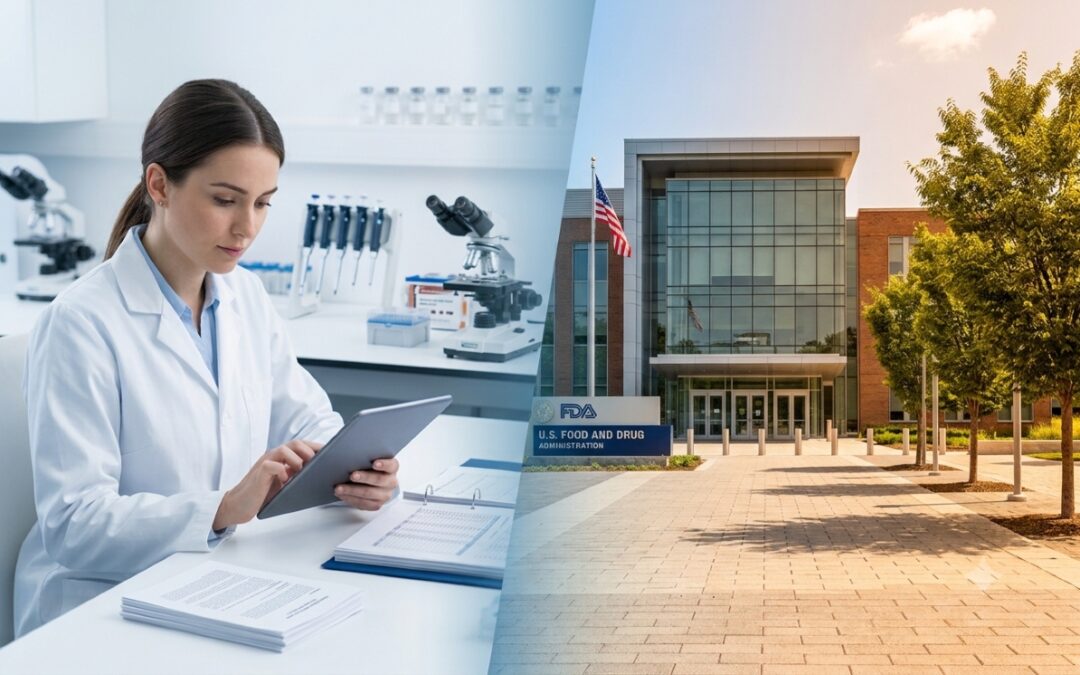
The rate of biosimilar approvals is not happening by accident. In March 2026, the FDA announced new draft guidance aimed at significantly reducing the clinical burden on biosimilar developers. The agency introduced streamlined pharmacokinetic (PK) study requirements, recommending that in scientifically justified scenarios, certain clinical PK testing could be waived or simplified for monoclonal antibody biosimilars. The FDA estimated this change could reduce PK study costs by up to 50 per cent, saving developers approximately $20 million per programme.
“Streamlining biosimilar development reflects our ongoing commitment to lowering drug costs for everyday Americans,” said FDA Commissioner Dr Marty Makary at the time of the announcement.
In the same month, the agency withdrew its 2015 final guidance on demonstrating biosimilarity, acknowledging that its scientific approach had evolved substantially. At that time, only one biosimilar had been approved; the agency now has review experience across 86 products and multiple therapeutic classes.
The EMA has moved in a parallel direction. Its Committee for Medicinal Products for Human Use (CHMP) adopted a reflection paper in March 2026 outlining a tailored clinical approach to biosimilar development, similarly aiming to reduce the amount of clinical data required for certain products. In January and February 2026 alone, the CHMP recommended six new biosimilar medicines for authorisation, across indications spanning oncology, immunology, diabetes, and cytokine-related conditions. Among them, Poherdy (pertuzumab), a HER2-positive breast cancer biosimilar developed by Shanghai Henlius and Organon, and Tuyory (tocilizumab), referencing RoActemra and developed by Gedeon Richter, both received positive opinions from the committee in February 2026 and are pending European Commission formal decision.
This convergence between the FDA and EMA on streamlining clinical requirements lowers barriers to entry for smaller developers and reduces the time between patent expiry and first biosimilar competition. Detailed reporting on the FDA’s pharmacokinetic overhaul is available in the dedicated analysis published by Life Science Daily News.
The Commercial Picture: Savings and Substitution
The financial case for biosimilars has never been stronger. Cardinal Health projected that, with the right market and policy conditions, biosimilars could deliver up to $181 billion in future savings for the US healthcare system. The Stelara (ustekinumab) market illustrates what competitive biosimilar entry can achieve at scale. As of mid-2025, nine biosimilar products were available in the US for ustekinumab, with some carrying prices as much as 90 per cent lower than the original list price. Eight ustekinumab biosimilars have now been FDA-approved, including Starjemza (ustekinumab-hmny), developed under a licence and commercialisation agreement between Bio-Thera Solutions and Hikma Pharmaceuticals, which received FDA approval in May 2025 and was launched commercially in November 2025.
The adalimumab market demonstrated the structural complexity that follows even well-anticipated patent expirations. Multiple products launched, some exclusively through private-label distribution channels, and formulary positioning became a significant commercial battleground. Alvotech has reported that its adalimumab biosimilar now holds more than 10 per cent of the biosimilar market for that molecule. The experience is shaping expectations for how future biosimilar categories, particularly in oncology, will develop.
What Is Coming: The Next Wave
The most closely watched biosimilar pipeline centres on pembrolizumab (Keytruda), currently the world’s best-selling drug with annual global sales of $29.5 billion in 2024. The intravenous formulation is projected to lose US patent protection in 2028, but several developers are positioning for regulatory submissions as early as 2026 or 2027, enabling potential approval ahead of that exclusivity cliff.
Among the most advanced programmes, Formycon AG announced in February 2026 that its biosimilar candidate FYB206 had demonstrated pharmacokinetic equivalence with Keytruda in the Phase 1 Dahlia study. The company designed a streamlined clinical development programme with FDA alignment, bypassing the need for a full Phase 3 trial. At least seven developers are pursuing pembrolizumab biosimilars, including Samsung Bioepis, Sandoz, Celltrion, Bio-Thera, and Amgen. Alvotech has disclosed pembrolizumab as a pipeline asset, characterising it as a highly competitive market.
Beyond pembrolizumab, the near-term horizon includes biosimilars referencing Xolair (omalizumab), with annual sales of approximately $3.9 billion and applications in asthma and chronic urticaria. Opdivo (nivolumab), with around $7.1 billion in sales, is expected to lose patent protection in 2028 alongside Keytruda, creating a second major PD-1 checkpoint inhibitor biosimilar opportunity. High-dose Eylea (aflibercept 8mg) for retinal disease is also a target, with Alvotech reporting it has begun confirmatory trials and believes it is ahead of several competitors.
The Gap Between Approval and Launch
Despite the headline momentum, a structural challenge persists. Not every approved biosimilar reaches patients promptly, frequently due to ongoing patent litigation, originator pricing strategies, or formulary access barriers created by pharmacy benefit managers. This concern has been raised in US Congressional testimony, where witnesses highlighted distortive rebate practices and outdated Medicare rules as creating incentives for prescribers to select higher-cost reference products over biosimilar alternatives.
Cardinal Health’s 2026 report also flagged what it termed a potential “biosimilar void,” warning that unsustainable market pricing pressures could deter future investment in biosimilar development. With biosimilars now competing across oncology, diabetes, immunology, and rheumatology, the policy environment surrounding market access is becoming as consequential as the regulatory pathway itself.
A Defining Period
The first half of 2026 has underlined how substantially the biosimilar landscape has shifted in a decade. Regulatory agencies on both sides of the Atlantic are actively lowering development burdens, and a pipeline of high-value targets is approaching final clinical milestones. The biosimilar approvals of 2026 are not the peak; they are, in many respects, the prelude to a far larger wave of competition that will define biologic drug access through the end of the decade.