
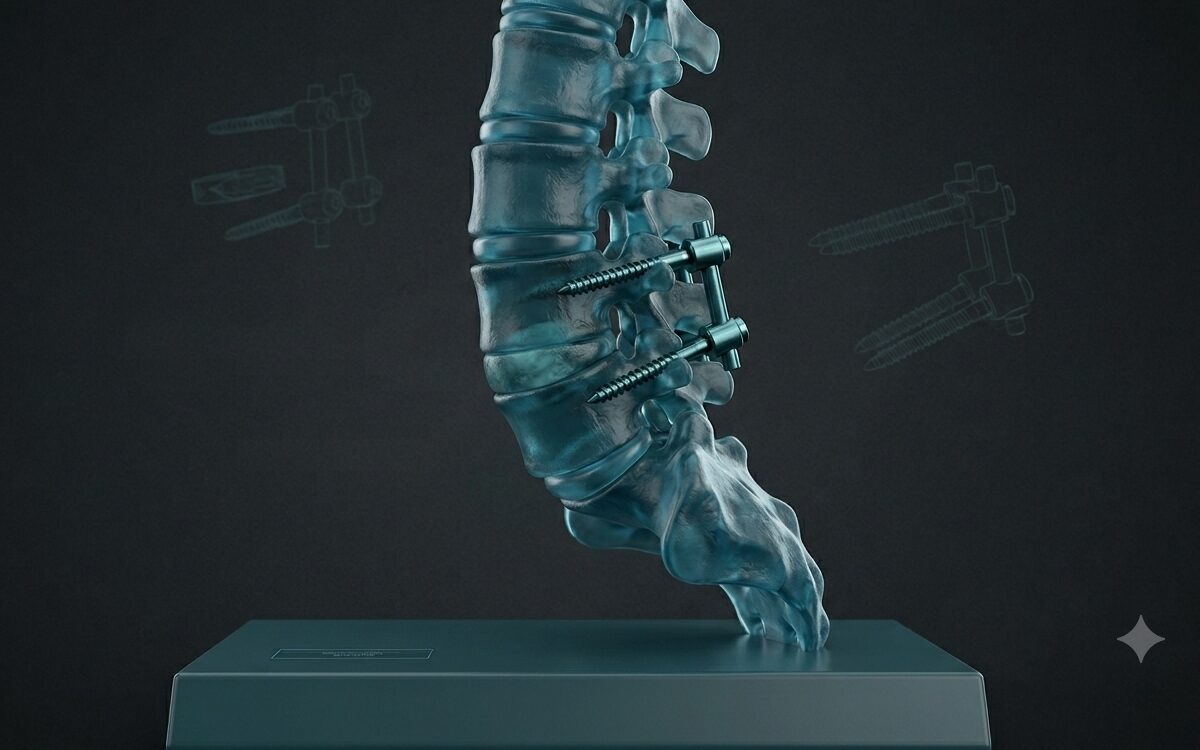
The repair and replacement of bone is a major clinical problem. The need for efficient treatments of spinal injuries, has become increasingly common and remains a significant challenge in the field of orthopedics.
Regenerative medicine in bone repair is the use of biological treatments to enhance spine fusion. By focusing on stimulating the body’s natural repair mechanisms, the patient’s body is able to regenerate damaged bone and restore normal function. This includes stem cells, growth factors, scaffolds and other biologics that promote healing.
Over the past several decades, scientists have actively investigated growth factors for use in bone repair and regeneration. Generally, the mechanism of action of bone growth factors is to interact with membrane receptors on target cells. This interaction triggers an intracellular signaling cascade that ultimately induces the expression of bone.
For several decades now in spinal surgery, regenerative therapies have been able to induce new bone formation in the disc space to fuse the vertebrae in order to reduce back pain, restore function, and strengthen the spine. The future of spine fusion may see a deeper blend of biologics with some minimal to no fixation devices as science optimizes and accelerates the fusion process. Thus, one day potentially reducing the need for traditional hardware.
The growing challenge of bone healing in aging populations

As populations around the world continue to age, healthcare systems are facing a growing challenge that involve impaired bone healing. While fractures can affect individuals of all ages, older adults are particularly vulnerable to experiencing delayed recovery. This health concern has significant implications for patient quality of life, healthcare costs, and long-term care.
One of the primary reasons bone healing becomes more difficult with age is the natural decline in bone density and quality. With older patients, bone formation often lags behind bone resorption, leading to a gradual loss of bone mass. This imbalance contributes to conditions such as osteoporosis, which affects millions of older adults worldwide. Early diagnosis and treatment of osteoporosis are key to helping preserve bone strength and minimize the likelihood of serious injuries.
Researchers and clinicians are actively exploring innovative approaches to improve bone healing outcomes in older adults. By enhancing the body’s natural healing process that becomes less effective with age, advances in regenerative medicine offer promising possibilities to meet this bone healing challenge.
The evolution of orthobiologics and targeted bone regeneration technologies
The treatment for patients with bone deficits has undergone a remarkable transformation over the past several decades. What was once largely dependent on hardware fixation and the body’s natural healing processes continues to be supplemented by sophisticated orthobiologic therapies designed to actively stimulate targeted bone regeneration.
Originally, autologous bone grafting was utilized to support bone healing. This approach harvests the patient’s own bone from their body, typically the iliac crest of the hip, and transplants it to the site requiring repair. Autografts provide three critical components that support the regeneration process: living cells capable of forming new bone, biological signals that stimulate healing, and a scaffold that supports tissue growth. However, second site surgery pain, longer surgical times, and potential complications drove researchers to search for new alternatives.
Subsequently, allograft bones from donated human tissue was utilized, but this lacked the same regenerative properties as autograft. These limitations supported research and funding for the development of orthobiologics, which encompass products such as growth factors, cell therapies, bone graft substitutes, platelet-rich-plasma, bone marrow aspirate, and tissue engineered scaffolds.
How next-generation biologics are advancing precision bone formation
The next generation of orthobiologics is increasingly influenced by the principles of personalized medicine. Advances in genomics, and biomarker discovery are enabling researchers to better understand why some patients heal rapidly while others experience delayed fusions.
Artificial intelligence is also beginning to influence regenerative medicine. By analyzing large datasets containing clinical, genetic, and imaging information, predictive algorithms may help identify patients at risk for impaired healing and guide individualized treatment selection. Such personalized strategies could optimize treatment effectiveness while avoiding unnecessary interventions.
Author Bio
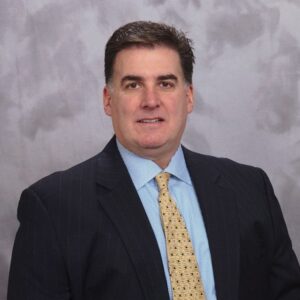
Jeffrey Frelick assumed the CEO and President role in June 2019. Previously he served as the Chief Operating Officer of Bone Biologics Inc. since August 2015. Frelick brings more than 25 years of med-tech experience to the position. He spent the past 15 years on Wall Street as a sell-side analyst following the med-tech industry at investment banks such as Canaccord Genuity, ThinkEquity and Lazard. Prior to becoming an equity research analyst, Frelick worked at Boston Biomedical Consultants where he provided strategic planning assistance, market research data and due diligence for diagnostics companies. He previously held sales and sales management positions at Becton Dickinson’s Primary Care Diagnostic Division after gaining technical experience as a laboratory technologist with Clinical Pathology Facility. Frelick earned a B.S. in Biology from the University of Pittsburgh and an M.B.A. from Suffolk University’s Sawyer Business School.