
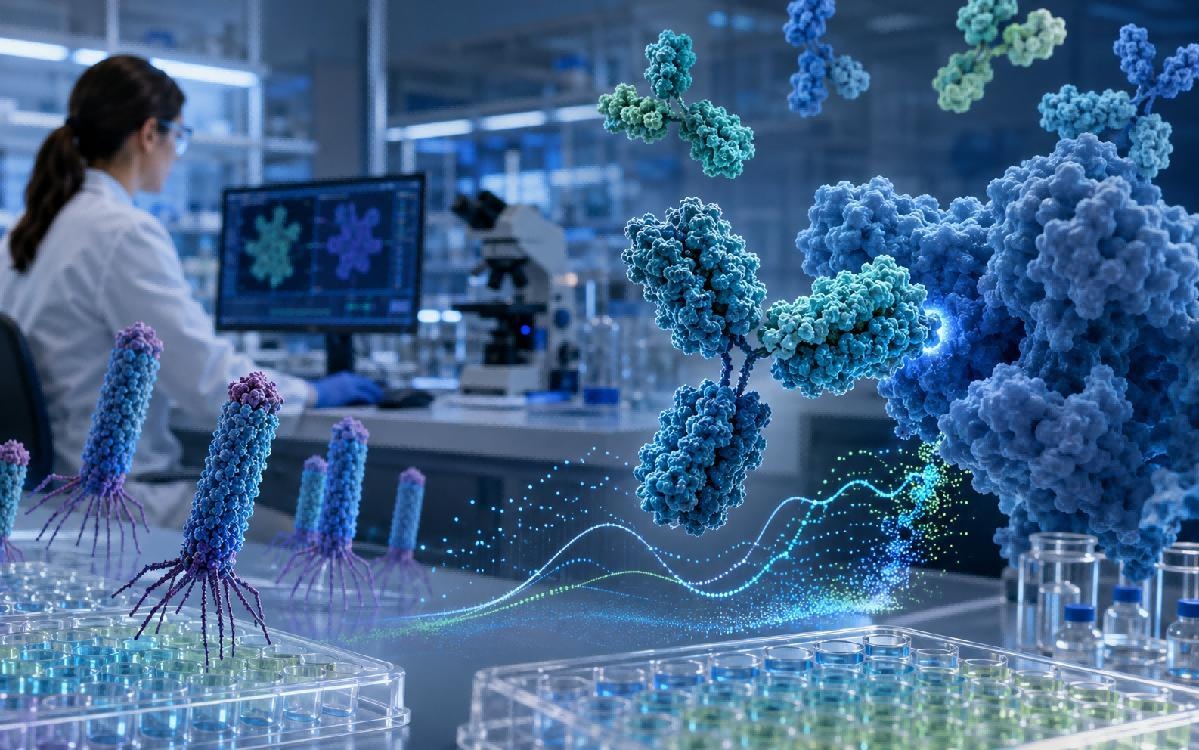
Antibody library screening is widely used to identify antibody fragments, such as scFv, Fab, and single-domain antibodies, from large molecular repertoires. Compared with immunization-dependent approaches, library screening can be especially useful for challenging targets, including weakly immunogenic proteins, conserved antigens, toxic molecules, membrane-associated targets, and targets requiring rapid discovery timelines.
Creative Biolabs notes that successful antibody library screening depends on more than the theoretical diversity of a library. Library format, antigen quality, panning strategy, selection stringency, counter-screening design, and downstream validation all influence whether enriched candidates are suitable for research, diagnostic, or therapeutic development.
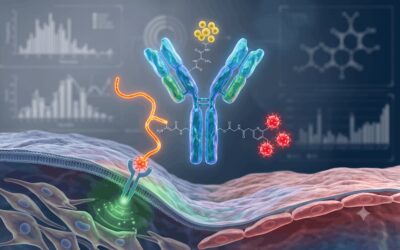
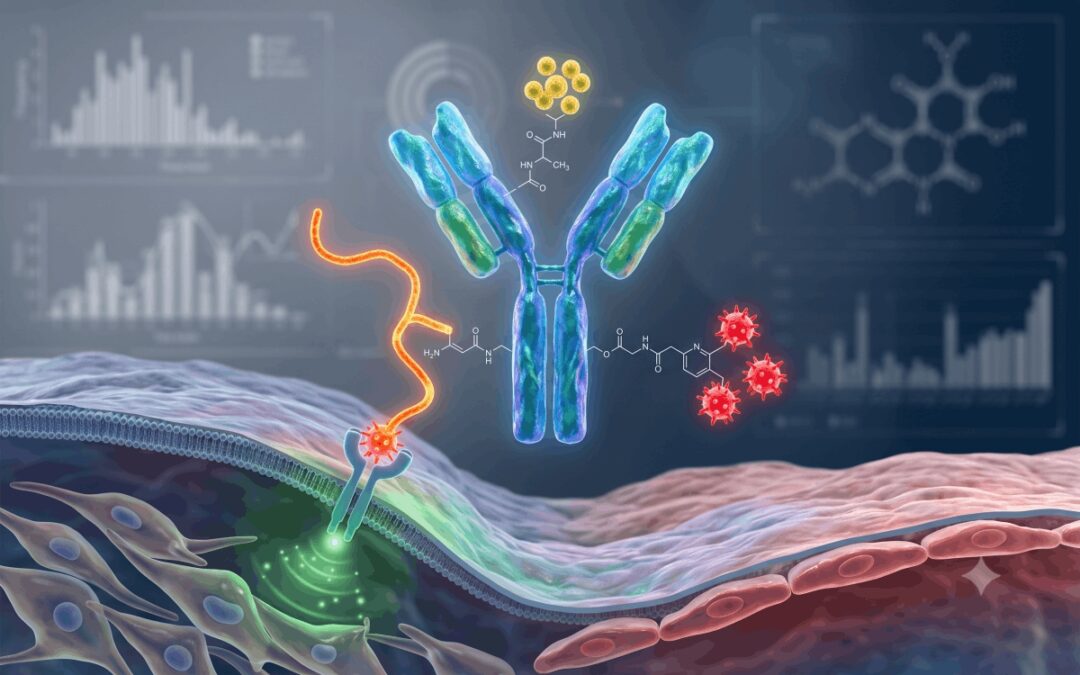
In a typical phage display antibody library screening workflow, antibody fragments are displayed on the surface of bacteriophages while the corresponding genetic information is retained inside the phage particle. This genotype-phenotype linkage allows researchers to enrich target-binding clones through multiple rounds of selection, recover the encoding sequences, and then express selected antibodies for further characterization.
A technically sound screening campaign often begins with antigen assessment. Important factors include antigen purity, folding state, oligomeric state, post-translational modifications, tag position, biotinylation strategy, and whether the antigen is presented in a biologically relevant conformation. For example, purified soluble proteins may be compatible with solid-phase panning, while conformational epitopes, receptor complexes, or membrane proteins may require in-solution, bead-based, liposome-based, or cell-based selection formats.
Selection pressure is another key variable. During early panning rounds, lower stringency may help preserve library diversity and prevent premature loss of rare binders. In later rounds, researchers may increase washing stringency, reduce antigen concentration, extend off-rate selection time, or introduce soluble competitors to enrich clones with improved specificity or slower dissociation rates. These parameters can be adjusted depending on whether the goal is broad binder recovery, high-affinity lead discovery, epitope-specific selection, or functional blocking activity.
Creative Biolabs’ premade library-based binder discovery solutions are designed to support binder identification using established antibody library resources and target-matched screening strategies. Such workflows may include antigen preparation review, library panning, enrichment monitoring, clone picking, sequencing, and binding validation.
Specificity control is a major consideration in antibody library screening. Without appropriate negative selection, screening may enrich antibodies that recognize affinity tags, carrier proteins, Fc regions, plastic surfaces, streptavidin, host-cell proteins, or unrelated contaminants rather than the intended antigen. Counter-screening can be used to remove these nonspecific binders. For closely related protein families, negative selection against homologous targets may help identify antibodies that discriminate between similar antigens.
For cell-surface targets, positive and negative cell selection can be particularly valuable. Target-positive cells can be used to preserve native antigen conformation, while target-negative parental cells can help deplete clones that bind unrelated membrane proteins. This approach is often important when screening antibodies against multi-pass membrane proteins, receptor complexes, or targets that are difficult to purify in a native-like state.
Creative Biolabs also launched premade antibody library screening solutions for researchers seeking to identify antibody candidates through customized panning, enrichment, and hit evaluation workflows. Depending on project requirements, selected clones may be assessed by ELISA, flow cytometry, immunofluorescence, biolayer interferometry, surface plasmon resonance, or cell-based functional assays.
After primary screening, clone analysis is essential for determining whether enriched binders are truly useful. Sanger sequencing or next-generation sequencing can reveal clonal enrichment patterns, CDR diversity, sequence families, and potential amplification bias. Rather than advancing only the most frequent clone, researchers often benefit from evaluating multiple unrelated sequence families, as this can improve epitope diversity and increase the chance of identifying candidates with different functional properties.
Binding validation should also be matched to the intended application. For example, an antibody that performs well in plate-based ELISA may not recognize the target on live cells. A binder selected against a linear peptide may not recognize the folded protein. A clone with strong apparent binding may show poor specificity when tested against related targets or complex biological samples. Orthogonal assays therefore play an important role in confirming antigen recognition, specificity, affinity, and functional relevance.
In antibody discovery programs with downstream development goals, early developability assessment can further improve candidate prioritization. Researchers may evaluate sequence liabilities such as unpaired cysteines, potential deamidation sites, oxidation-prone residues, unusual glycosylation motifs, excessive hydrophobicity, low expression, aggregation tendency, and polyreactivity. These features do not always eliminate a candidate, but they can inform engineering decisions and reduce risk before more resource-intensive development steps.
Premade antibody libraries can be useful when researchers need rapid access to broad molecular diversity without constructing a new library from the beginning. They may support feasibility studies, reagent discovery, therapeutic lead generation, diagnostic antibody development, and target validation projects. For organizations seeking longer-term internal access to established library resources, Creative Biolabs offers premade library licensing services.
As antibody-based research continues to expand across oncology, immunology, infectious disease, neuroscience, and translational medicine, antibody library screening remains a valuable tool for identifying target-specific binders. By combining well-characterized libraries, appropriate antigen presentation, rational selection pressure, negative screening, sequencing-informed clone analysis, and application-specific validation, researchers can improve the quality and reliability of early antibody discovery outcomes.
Author Bio
Dr. Emily R. Coleman is a senior scientist specializing in immunology, oncology research, and advanced biotherapeutic development at Creative Biolabs. Her work focuses on translating immune mechanisms into practical research strategies for next-generation therapeutic discovery, with particular expertise in tumor immunology, antibody engineering, viral vector technologies, and oncolytic virus-based approaches.
At Creative Biolabs, Dr. Coleman provides scientific insight across multidisciplinary research platforms supporting antibody discovery and development, gene and cell therapy research, viral vector design, and oncology-focused immunotherapy innovation. With a strong background in immunology-driven assay development and preclinical research strategy, she is dedicated to helping researchers better understand immune-tumor interactions and advance innovative biologic and immunotherapeutic solutions.
About Creative Biolabs
Creative Biolabs is a biotechnology company providing antibody discovery, antibody engineering, recombinant antibody production, and related biologics research services. Its platforms support academic, biotechnology, and pharmaceutical researchers in antibody screening, antibody optimization, display technology development, and customized discovery workflows.