The biotech M&A 2026 market has entered what many analysts are already calling a breakout year. In the first four months of 2026 alone, pharma and biotech companies have signed deals worth approximately $84 billion, and the pipeline of transactions shows no sign of slowing. Deal volume is far outpacing last year: in 2025, there were 14 deals by the end of April with upfront payments totalling approximately $24.5 billion, whilst 2026 saw 24 transactions in the same period, with upfront values exceeding $64 billion, according to BioPharma Dive’s M&A tracker. Seven deals worth over $1 billion each were announced in the final twelve days of March alone, a concentrated burst of activity that confirmed what many had been predicting since late 2025: that the patent cliff, large pharma balance sheets, and a recovering biotech equity market had aligned to produce conditions for a sustained dealmaking boom.
The numbers frame the scale of the moment. IQVIA has forecast aggregate biopharma M&A 2026 deal value of between $140 billion and $160 billion for the full year 2026, with potential upside of a further $20 billion to $30 billion in a best-case scenario. Big pharma’s collective deal capacity is estimated at $1.3 trillion, and despite a significant rebound in 2025, most of that firepower remains undeployed. Analysts at Jefferies described the environment as a return to “normalcy,” noting a 64% increase in the XBI biotech index over the past year and characterising the appetite for deals as spanning both large strategic acquisitions and smaller tuck-ins.
The Deals: $1 Billion and Above
The largest single deal of the year to date came from outside the traditional Western pharma establishment. India’s Sun Pharma agreed to acquire New Jersey-based Organon for $11.75 billion in an all-cash transaction paying $14 per share, announced on 26 April 2026. Described as the largest acquisition ever made by an Indian pharmaceutical company, the deal grants Sun Pharma access to Organon’s biosimilars arm, which the company says will make it the world’s seventh-biggest biosimilar company and catapult it to a top-three position in global women’s health. Organon’s portfolio spans more than 70 medicines sold across more than 140 countries, providing Sun Pharma with immediate commercial scale in markets including China and Brazil where its presence had been limited. The deal is expected to close in early 2027, subject to regulatory approvals and Organon shareholder consent.
Eli Lilly established itself as the most acquisitive buyer in the market. The year opened with Lilly agreeing to buy Ventyx Biosciences for $1.2 billion in an all-cash transaction, adding four clinical-stage oral anti-inflammatory candidates including NLRP3 inhibitors, an S1P1R inhibitor, and a TYK2 inhibitor. This was followed by Orna Therapeutics for up to $2.4 billion before the company accelerated sharply in March and April. Centessa Pharmaceuticals, a clinical-stage company focused on orexin-based therapies for sleep and neurological disorders, was acquired for $38 per share in cash plus contingent value rights worth up to $9 per share, valuing the total transaction at up to $7.8 billion. Centessa’s lead candidate cleminorexton had shown promising Phase II results in narcolepsy and idiopathic hypersomnia. The Centessa deal represents Lilly’s largest single transaction of the year and further demonstrates the company’s stated strategy of deploying the financial strength generated by its obesity and diabetes portfolio into new therapeutic areas, including the central nervous system space.
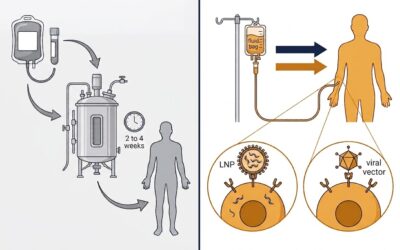
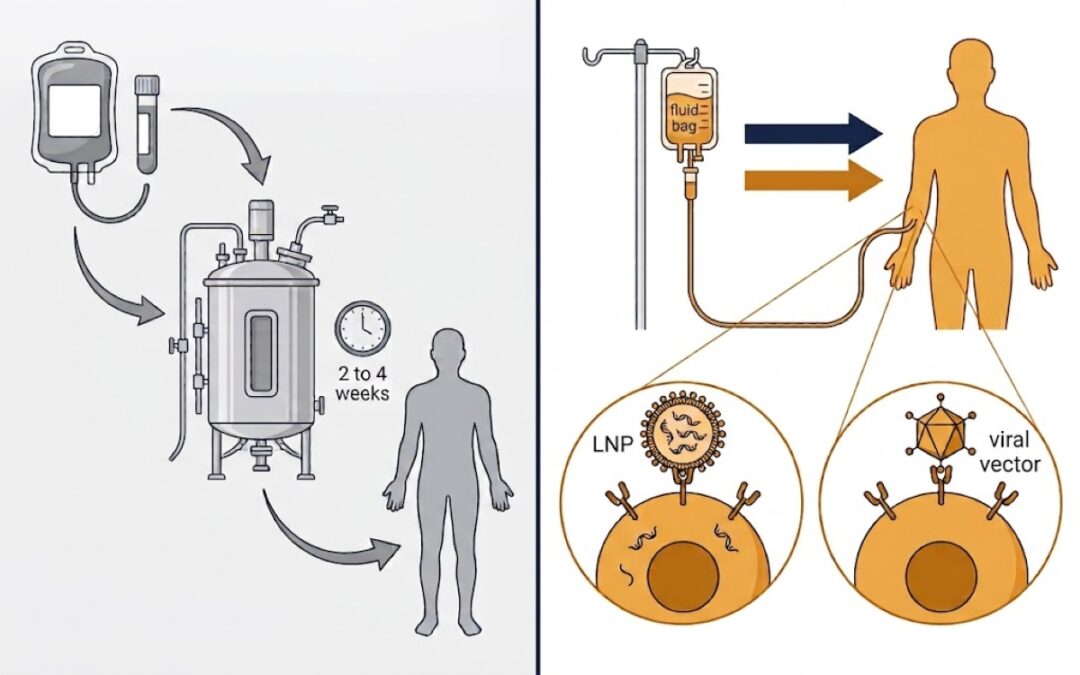
In April, Lilly extended its oncology push by acquiring Kelonia Therapeutics for up to $7 billion, comprising an upfront payment of $3.25 billion and additional milestone payments. The transaction centres on Kelonia’s work in in vivo CAR-T therapy, an approach designed to reprogram a patient’s immune cells directly inside the body to attack cancer, eliminating the costly and logistically intensive manufacturing process required by conventional ex vivo CAR-T treatments. Jacob Van Naarden, Executive Vice President and President of Lilly Oncology and Head of Corporate Business Development, described Kelonia’s data as “nothing short of remarkable” and said the company aimed to use the platform to treat multiple myeloma, other blood cancers, and potentially solid tumours. The acquisition makes Kelonia’s buyout at least the sixth of an in vivo cell therapy developer since March 2025, underscoring the category’s rapid emergence as one of oncology’s most contested platforms. A further April acquisition of Ajax Therapeutics for up to $2.3 billion added a small molecule Type II JAK2 inhibitor programme targeting myelofibrosis.
Merck has been among the most strategically driven acquirers, acting under visible pressure from the approaching loss of exclusivity for Keytruda, currently the world’s best-selling cancer drug, in 2028. In late March, Merck paid $6.7 billion for Terns Pharmaceuticals and its oral leukaemia candidate TERN-701, a BCR-ABL inhibitor targeting chronic myeloid leukaemia that had demonstrated compelling Phase 1/2 results. The disease area has historically been limited by tolerability and resistance concerns, making TERN-701’s profile particularly attractive. Merck’s CEO Rob Davis had told analysts at the JP Morgan Healthcare Conference in January that the company was comfortable with acquisitions worth “multi-tens of billions of dollars” and that balance sheet constraints were not a limiting factor.
Gilead Sciences made two substantial moves. In Q1, it agreed to acquire Arcellx for approximately $7.8 billion, paying $115 per share in cash at closing plus one contingent value right of $5 per share. The deal was completed on 28 April 2026. The centrepiece of the acquisition is anitocabtagene autoleucel, known as anito-cel, a BCMA-directed CAR-T cell therapy for relapsed or refractory multiple myeloma. A biologics licence application for anito-cel as a fourth-line treatment has been accepted by the FDA with a PDUFA action date of 23 December 2026. The acquisition converts a prior co-development and co-commercialisation agreement into full ownership, eliminating future profit-sharing obligations and giving Gilead direct control over the programme ahead of its potential launch. Daniel O’Day, Chairman and Chief Executive Officer of Gilead Sciences, said:
“This agreement reflects our conviction in the potential of anito-cel and our intention to move with speed so we can make the most of that potential for patients with multiple myeloma.”
In April, Gilead followed with a $5 billion acquisition of German antibody-drug conjugate developer Tubulis, with an upfront payment of $3.15 billion and up to $1.85 billion in additional milestones. Tubulis’s lead candidate TUB-040 is in Phase 1 and 2 trials for ovarian cancer and non-small cell lung cancer. The acquisition extends Gilead’s oncology strategy beyond cell therapy into the rapidly expanding ADC space, a category that has attracted significant deal activity across the sector following a series of high-profile clinical successes and regulatory approvals in recent years.
Biogen acquired Apellis Pharmaceuticals for $41 per share in cash, valuing the deal at approximately $5.6 billion plus contingent payments tied to Syfovre net sales. The deal adds two approved complement inhibitors to Biogen’s portfolio: Syfovre, approved for geographic atrophy secondary to age-related macular degeneration, and Empaveli, approved across multiple rare immunological indications. The strategic rationale extends beyond the immediate commercial revenue from these approved products. The transaction provides Biogen with nephrology infrastructure and expertise that the company believes will support the potential launch of felzartamab, its investigational kidney disease drug currently in development.
GSK acquired RAPT Therapeutics for approximately $2.2 billion, adding ozureprubart, a long-acting anti-IgE monoclonal antibody in Phase IIb development for food allergies. Chiesi acquired KalVista Pharmaceuticals for $1.9 billion, obtaining full commercialisation rights to sebetralstat, an FDA-approved small molecule for acute hereditary angioedema. UCB agreed to acquire California-based Neurona Therapeutics for up to $1.15 billion, adding cell therapies for neurological disorders including epilepsy to its established neurology portfolio. Pfizer, which had acquired GLP-1 developer Metsera for $10 billion in late 2025, entered 2026 with approximately $6 billion in additional firepower identified for further acquisitions.
What Is Driving the Surge
Several structural forces are converging to produce the current biopharma M&A 2026 environment, and understanding them helps explain both the volume and the character of the deals being announced.
The patent cliff is the most significant underlying driver. Over $230 billion in biopharma industry revenue will face loss of exclusivity by 2030, with some large pharma companies having up to 65% of their current revenues at risk. Merck’s position is the most acute and most visible example: Keytruda generated approximately $31.7 billion in sales in 2025, representing roughly half the company’s annual revenue, and faces biosimilar competition from 2028. As PwC’s US Pharma and Life Sciences Deals Leader Roel van den Akker has observed,
“LOE pressures are mounting and innovation is pushing hard at the frontier of science. M&A will pick up in 2026, and the winners will be those who deploy capital with precision, speed, and foresight.”
Balance sheet capacity is a related but distinct factor. Big pharma’s collective deal capacity has grown steadily and now stands at an estimated $1.3 trillion across the top 25 companies, one of the highest figures on record. The rebound in dealmaking during 2025, when aggregate M&A value more than doubled year-on-year to $133 billion, did not materially deplete that reserve, meaning the firepower available for 2026 transactions is substantial.
The recovery in biotech equity valuations has removed a structural obstacle that had suppressed deal activity during 2023 and 2024. When biotech share prices are depressed, the gap between what sellers regard as fair value and what buyers are willing to pay tends to widen, making negotiations difficult. The XBI’s 64% recovery over the past year has narrowed that gap and brought willing sellers back to the table.
Therapeutic focus has also evolved. While oncology remains the single largest category by deal count, the 2026 wave reflects a more diversified appetite than previous cycles. Cell therapy, antibody-drug conjugates, and oral small molecules for inflammation are generating clinical data compelling enough to justify large premiums. Metabolic disease, sleep and neurological disorders, immunology, and rare diseases are all well represented. The emergence of Asian pharmaceutical companies, most notably Sun Pharma, as credible acquirers for assets historically reserved for US and European majors signals a meaningful geographic shift in the competitive landscape.
The Competitive Dynamics
The intensity of competition for the highest-quality assets is a defining feature of the current cycle. Pfizer and Novo Nordisk engaged in a high-profile bidding war for GLP-1 developer Metsera at the end of 2025, with Pfizer ultimately prevailing with a deal worth up to $10 billion, up from an initial offer of $7.3 billion. Revolution Medicines, a California-based company developing oral RAS-targeted cancer treatments, attracted reported acquisition interest from multiple parties in early 2026, with Merck said to be evaluating a transaction valued at between $28 billion and $32 billion.
The breadth of acquirer activity is also notable. It is not only the largest pharma companies that are transacting. Indian multinationals, European specialty companies, and mid-cap pharma firms are all active, reflecting a genuinely global M&A market rather than one dominated by a small number of US giants.
Amanda Micklus, biopharma analyst at Citeline, observed that pricing pressures and upcoming patent losses will continue to drive portfolio rebalancing, with demand concentrated in oncology, metabolic disease, novel modalities such as bispecific antibodies, genome editing, and in vivo CAR-T therapies. She also noted that a difficult fundraising environment for some biotechs makes them willing sellers, adding supply-side momentum to an already active market.
What Comes Next
The trajectory of 2026 M&A will be shaped by several variables. The FDA’s approval calendar matters: deals are frequently structured around the anticipated commercial launch of a key asset, and delays or rejections can materially alter the value and timing of transactions. The continuing uncertainty around US drug pricing policy introduces a degree of caution, particularly for assets whose commercial projections depend on unconstrained pricing. And the regulatory environment for large mergers, while more permissive than it was during 2021 to 2024, still requires careful navigation.
Against those uncertainties, the structural forces driving dealmaking remain firmly in place. The patent cliff does not resolve itself; the balance sheets remain full; and the pipeline of mature biotech assets continues to grow. IQVIA’s forecast of $140 billion to $160 billion for the full year appears well-supported by the pace of biopharma M&A 2026 activity already established in the first quarter. With multiple large-cap companies still signalling appetite for further acquisitions, and a pipeline of clinical-stage assets approaching approval readiness, whether 2026 ultimately surpasses 2025’s $133 billion total looks less like a question than a matter of timing.