
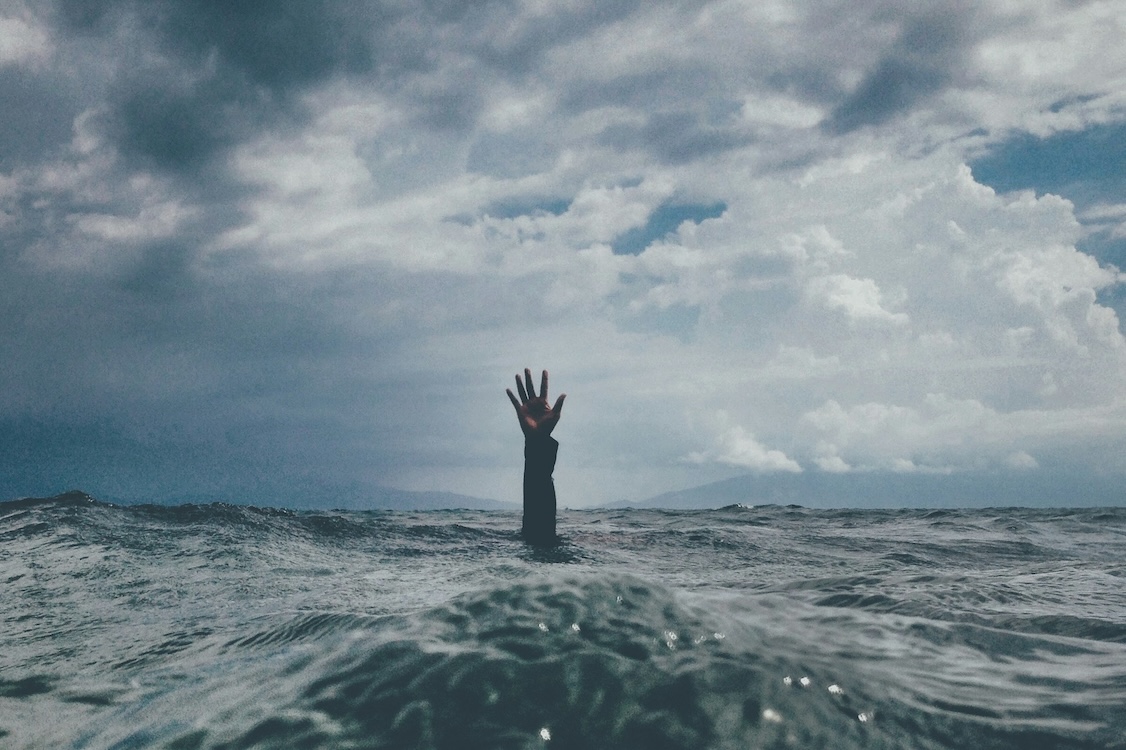
Across the life sciences sector, a quiet crisis is unfolding. Researchers, clinicians, nurses, and social workers describe feeling trapped in a cycle with no exit: outwardly productive, inwardly depleted. Burnout is not a new phenomenon, but the life sciences industry’s response to it has remained stubbornly inadequate. Institutions reach for the same tools repeatedly, employee assistance programmes, resilience training, wellness apps, while the structural conditions driving burnout go untouched.
It’s Not Personal
Maslach and Leiter’s work from the 1980’s and 90’s gave us the framework that most clinicians use today: emotional exhaustion, depersonalization, and a reduced sense of personal accomplishment. The World Health Organization (WHO) formally recognized burnout as an occupational phenomenon in the ICD-11 in 2019. It should be clarified that this is not a mental diagnosis, it is an occupational phenomenon, meaning the origin is in the work environment, not the worker. Once we recognize burnout in an individual, our immediate reaction is to fix the person. This is exactly what most corporations and industries do. “You have the problem, so you must be the solution.” This takes shape in the form of EAP referrals, resilience training, mindfulness apps, wellness challenges, etc. I’ve seen it all. Burned out employees are sitting through mandatory self-care presentations while their workloads continue to grow. The burnout cycle continues, and the organisations funding those presentations are absorbing the cost without making the connection.
What the Data Says
Burnout rates among physicians were sitting at 40 to 50% before COVID hit, depending on specialty. Social workers in some studies exceeded 60% (Siebert, 2005; Acker, 2010). Post-pandemic, a majority of nurses surveyed by the American Nurses Foundation in 2022 said they were thinking about leaving the profession entirely. It’s not just the burnout that’s concerning. Secondary traumatic stress often accompanies it, particularly for those working with high-acuity or trauma-exposed populations (Stamm, 2010). The two conditions overlap in presentation but respond to different interventions. Most organizations aren’t distinguishing between them, which means a lot of people aren’t getting what they really need. Dr. Lorna Breen, a 49-year-old emergency department medical director died by suicide on April 26, 2020. After contracting COVID herself, she returned to work before ever fully healing, while showing signs of severe burnout and PTSD from the ongoing COVID pandemic. Her death brough national attention, leading to the creation of the Dr. Lorna Breen Heroes’ Foundation and the passage of the Dr. Lorna Breen Health Care Provider Protection Act.
What the Research Points To
Leiter and Maslach’s Areas of Worklife model identifies six places where mismatch between a worker and their environment predicts burnout: workload, control, reward, community, fairness, and values (Leiter & Maslach, 2004). None of this has to do with personality or coping skills, but everything to do with the environment. Workload that exceeds your capacity, compensation that doesn’t reflect what you’re doing, or maybe it’s supervisors who manage compliance instead of employee wellbeing. Does any of this sound familiar? The evidence consistently supports systemic intervention over individual intervention. What really works is transparent workload distribution, supervisory structures that include trauma-informed leadership, and caseload caps with actual enforcement. None of this is a novel idea. Moreover, none of it is expensive relative to the cost of turnover, which research estimates at somewhere between half and double an employee’s annual salary depending on the role (Shanafelt & Noseworthy, 2017). Organizations that treat burnout as an HR problem are often absorbing the financial cost of it without making the connection.
Who’s Carrying the Burden?
Clinicians in public sector and community mental health settings carry heavier caseloads and earn significantly less than peers in academic medical centers or private practice. Women, who make up most of the nursing and social work workforce, report higher rates of emotional exhaustion across most studies. Clinicians of color navigate their own workload while absorbing the invisible labor of being the organization’s go-to resource on cultural competence. An honest conversation about healthcare worker wellbeing has to name this. If your wellness initiative doesn’t account for who’s burning out and why, it’s not a wellbeing strategy, it’s optics.
What I Think Needs to Change
As a psychotherapist completing my doctorate on workforce burnout, I’ve spent a lot of time in the research on this topic. What keeps standing out to me is what the research and evidence support and what organizations do with that information. The evidence supports structural change while organizations keep doing individual interventions and then they act surprised when retention doesn’t improve. The clinicians I know who are still doing the work well, years in, aren’t the ones who figured out a better self-care routine. They landed in a position where environments and workloads were manageable, leadership is honest, and someone gave a damn about whether they were okay.
We built systems that trained excellent clinicians and then burned them out in five years. We can build different systems, but we must decide if it’s worth doing.
Author Bio

Joshua Robinson, MBA, LCSW
Joshua Robinson, MBA, LCSW, is a psychotherapist and doctoral candidate researching burnout, secondary traumatic stress, and retention among clinical social workers. He currently serves as a psychotherapist at the U.S. Department of Veterans Affairs and operates Stillwater Counseling, a private practice. In addition to his clinical duties, he is a Graduate Teaching Assistant at Florida State University in the Master of Social Work program. His work sits at the intersection of clinical practice and workforce sustainability. He writes and speaks on burnout not as a self-care problem, but as a systems problem.