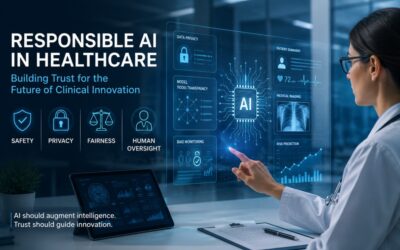
Artificial intelligence (AI) is rapidly transforming healthcare, moving beyond research laboratories into hospitals, clinics, and public health systems worldwide. Today, AI supports clinicians in areas such as medical imaging, clinical documentation, decision support,...
The Security Blind Spot in Life Science Digitalization
The life sciences sector is in the midst of a digital transformation that most security teams were not built to handle. AI-driven drug discovery platforms, cloud-connected lab equipment, genomic databases, and real-time patient data pipelines are creating attack...
Making AI Work in a Regulated Medtech Industry
For several years, AI has been viewed as one of the biggest opportunities for the medtech sector. With an industry survey finding that 91% of leaders were enthusiastic about its potential, early conversations centred on how it could transform healthcare delivery and...
Have We Lost the Plot? Why Life Sciences Can’t Let AI Become the Mission
It’s impossible to escape the topic of AI right now. AI hype in life sciences now dominates every boardroom, industry conference, pitch deck and earnings call. But we’ve seen this movie before. A decade ago, the topic was the cloud, and it, too, was everywhere -...
The Scientist in the Loop: Why Biopharma R&D Still Needs Human Judgment
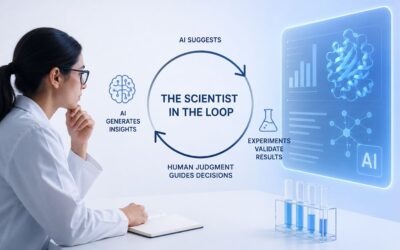
Two years into the biopharma industry's most sustained experiment with artificial intelligence, the honest answer to "what has changed" is not the one most conference keynotes suggest. It is not that biopharma AI now runs the laboratory. It is that AI has become very...
How Can We Protect a Failing Heart Using Your Own Mini-Hearts?
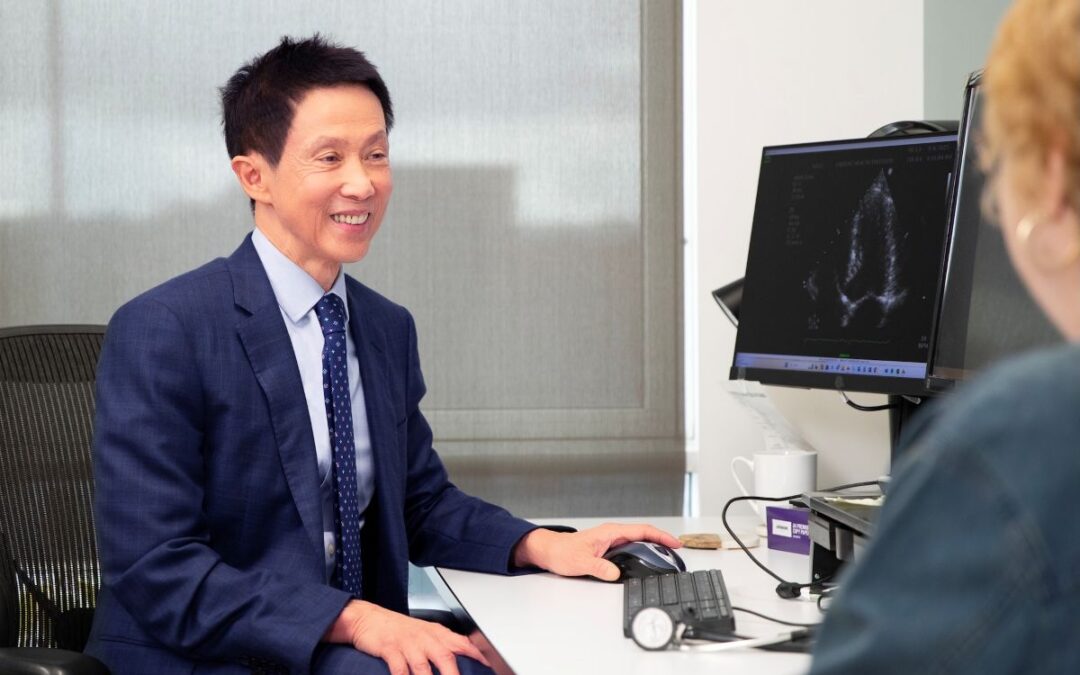
Cardiovascular disease in Australia claims one life every 12 minutes. The irreversible damage to the heart is known as heart failure, a condition that progressively prevents the heart from providing the proper amount of blood to our body. This means that patients will...
Why Health Platforms Built for Millennials Will Fail Gen Alpha
The first smartphone-native generation expects fundamentally different things from digital health and retrofitting won't work Gen Alpha (born roughly between 2010 and 2024) is the first generation to grow up entirely in a world where smartphones, AI assistants, and...
A Decentralized Advantage: Outpatient Theranostics is the Clinical Standard
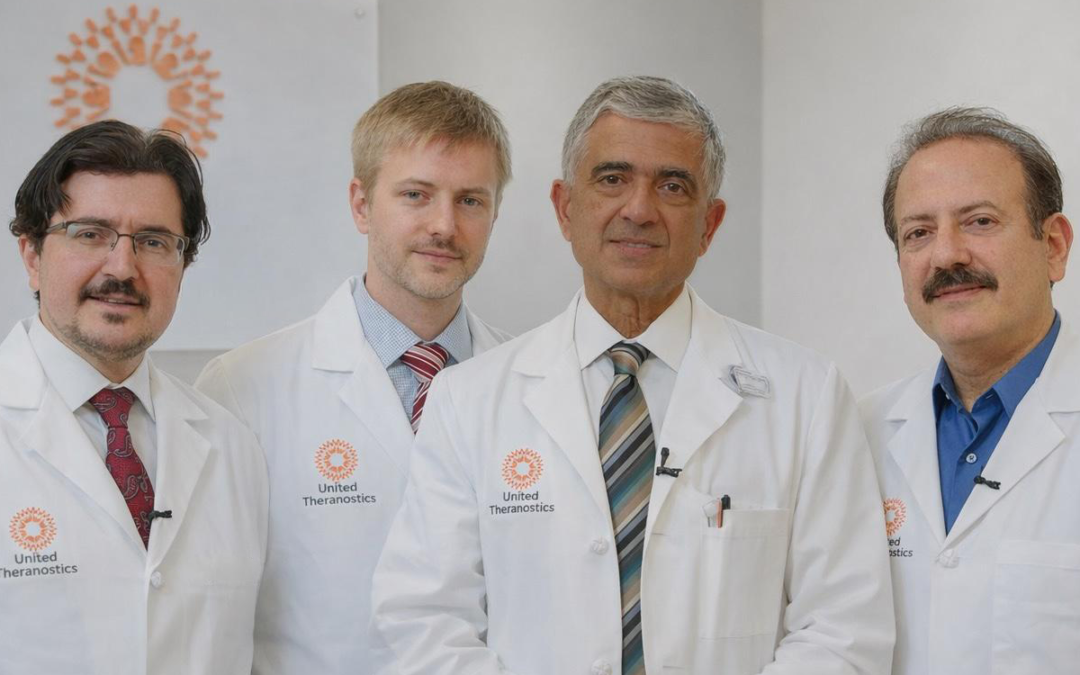
While oncology has historically relied on a "Hospital-as-Hub" model, the specific logistical demands of radiopharmaceutical therapy (RPT) are revealing its limitations. The decentralized outpatient model is emerging as a significant industry trend, demonstrating that...
The Convergence Era: How Data and AI are Reshaping Life Sciences
For decades, innovation in life sciences followed a familiar path: lab discovery, clinical testing, regulatory approval, market release. It was linear. Predictable. Slow. What’s happening now feels different. The most significant shift isn’t a single breakthrough...
Pregnancy, the Brain, and the Nervous System
Pregnancy, the Brain, and the Nervous System: A Holistic Perspective on Perinatal Mental Health Pregnancy is often framed as a joyful milestone, yet from a clinical and neurobiological standpoint, it is one of the most significant periods of transformation a human...
Australian Healthcare Reviews Mean Nothing Without the Right Governance
Australians are making some of their most important healthcare decisions based on information that was never designed to carry that weight. For most Australians, searching for health information online and accessing test results digitally is already routine. Around 90...
GMCA: Why Unlocking Longevity Research Will Drive Innovation
The science of longevity has never been more active. With advances in preventive medicine and digital health, as well as new insights into lifestyle, environment, drug therapies and genetics, there is more research available than ever on how people age and live well....
NIH Scientists Pioneer “Digital Twin” of Eye Cells
NIH Scientists Pioneer “Digital Twin” of Eye Cells: A New Frontier in Treating Age-Related Macular Degeneration In a landmark achievement for computational biology and ophthalmology, researchers at the National Institutes of Health (NIH) have announced the development...
Doctors Warn AI Diet Advice Should Not Replace Medical Care
As more people turn to AI tools and online algorithms for diet and weight-loss advice, doctors are warning that this growing reliance may be overlooking critical health risks. Doctors stress that AI-generated information should never replace personalised medical...
Fertility Decisions and AI: Clarity Without False Certainty
As a researcher studying how people interact with large language models (LLMs), and as a clinician trained at the master’s level in clinical psychology, I keep seeing the same pattern in fertility and reproductive contexts. People rarely turn to AI only for...
AI-Enabled Pathology: De-risking Oncology Drug Development
Today, oncology drug development continues to experience the highest attrition rates across therapeutic areas[1]. Despite major advances in molecular profiling and biomarker-driven strategies, a significant proportion of oncology clinical trials still fail, often due...
Why Sugar May Matter More Than We Thought
A New Energy-Centered Model of Metabolic Disease For decades, sugar has been framed as a problem of excess. Too many calories. Too many insulin spikes. Too much sweetness in the modern diet. That framing has shaped public health guidance, food reformulation, and...
Cera and Promptly Health Partner to Bridge the ‘Evidence Gap’
Cera, Europe’s largest digital-first home healthcare provider, has announced a global real-world evidence (RWE) partnership with Promptly Health, focused on the over-65s, to accelerate drug development and enable precision medicine. The partnership integrates Cera’s...