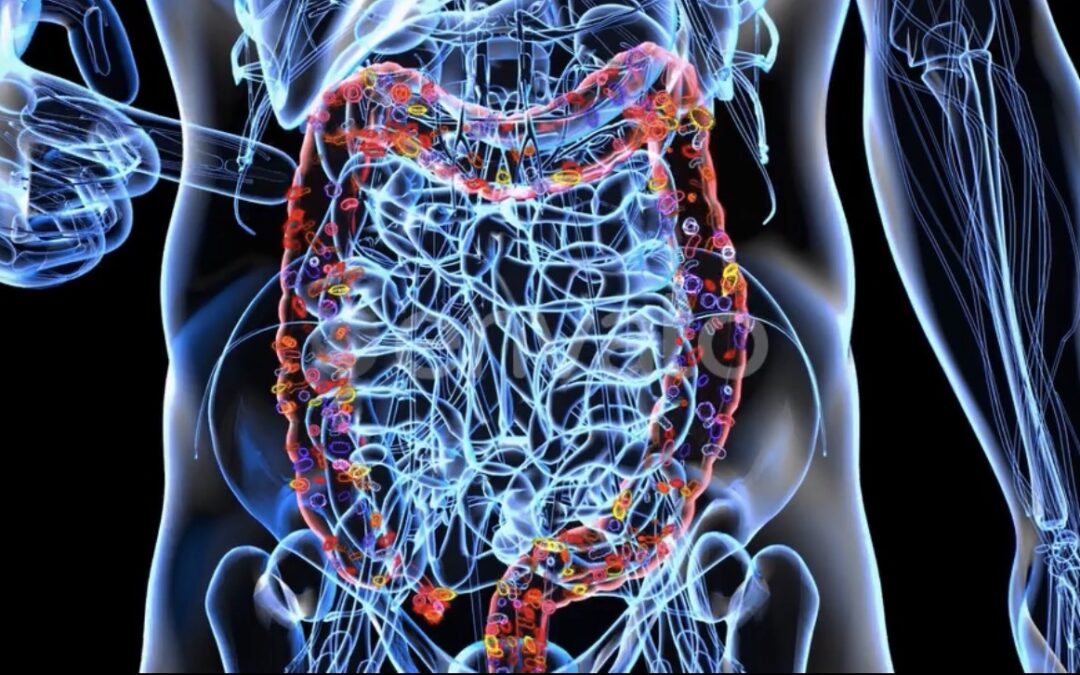
When treating individuals with inflammatory bowel disease (IBD), either Crohn's disease or ulcerative colitis, I’m often asked: "Will this stop me having children?". Given that IBD affects around 180,000 Australians and is typically first diagnosed between the ages of...
Organ Digital Twins: Inside Imperial College London’s Research
Organ digital twins have moved from mathematical curiosity to funded national priority. Imperial College London now sits close to the centre of that shift. Researchers there have built more than 3,800 anatomically accurate virtual hearts. They have also begun an NHS...
Glass Slides to AI: Digital Pathology Can Transform Cancer Care in the NHS
Every year, millions of pathology slides are produced in the UK, most still examined manually under a microscope. This century-old process, though reliable, is no longer fit for purpose. Pathology departments face mounting workforce pressures, with 78% pathologists...
Bridging Cosmetic Science & Clinical Research: When Beauty Becomes Therapeutic
The evolving landscape of cosmetic science is increasingly defined by its convergence with clinical research, challenging long-standing distinctions between aesthetic enhancement and therapeutic intervention. Historically, cosmetics have been confined to products...
Prevention by Design: How Korea’s Health System Diverges from America’s
South Korea and the United States are both wealthy, technologically sophisticated countries with excellent physicians and world-class hospitals. Yet they placed opposite structural bets on what a health system is for. America bet on treating disease as well as it can...
Evaluating Retrieval Systems for Clinical AI
Clinical decision support is not new, and it does not have to be complex to work. If anything, the simpler it is, the more likely clinicians are to use it. The best-known earlier example is the WHO surgical safety checklist, developed by a team led by Atul Gawande,...
Closing the Interventional Gap
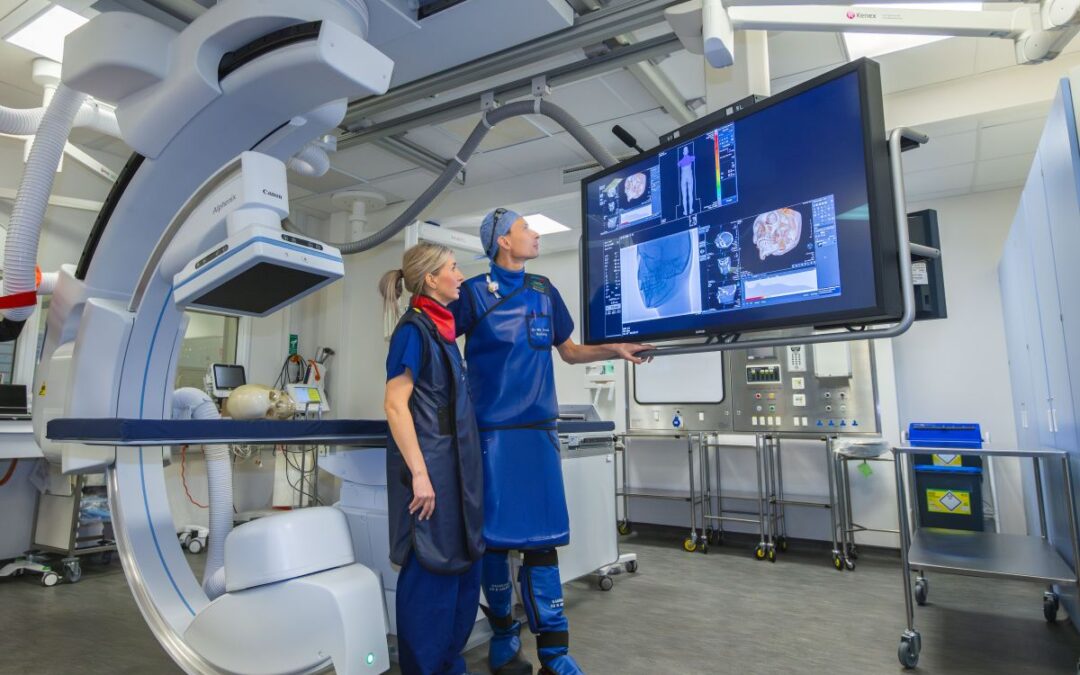
The National Health Service (NHS) is investing heavily in diagnostics. Through Getting it Right First Time (GIRFT) and the rollout of Community Diagnostic Centres (CDCs), millions of patients are getting scans more quickly than ever[1]. The NHS 10 Year Plan has now...
Erectile Dysfunction is Preventable – if You Act Early
Did you know that your erections can tell you more about your heart health than you might think? Nocturnal erections—those spontaneous erections that happen during sleep—are directly tied to vascular health. When a man stops having them, even for a short period of...
Rethinking Lifestyle Diseases: From Risk Factors to Root Causes
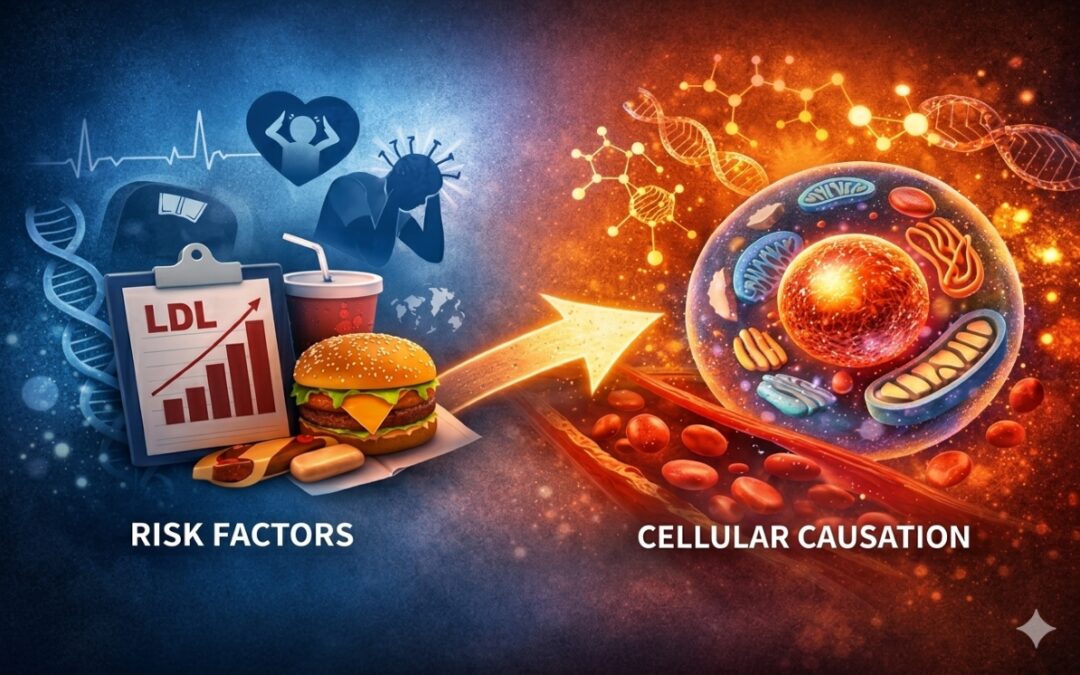
Are we mistaking associations for true biological origins? Despite significant advances in modern medicine, lifestyle diseases such as cardiovascular disease and diabetes continue to rise globally. These conditions are commonly described as “multifactorial,”...
The Radical Longevity Science Frontier
For decades, longevity has been a frontier of scientific exploration, pushing the boundaries of what we believe is possible for human health and lifespan. While incremental progress has been made in understanding the biology of aging, we are now on the cusp of a new...
Agentic AI is Having a Moment: The Foundations go Back 40 Years
The application of agentic AI in life sciences reached a tipping point in 2025. Frameworks where specialized agents collaborate on tasks, sharing work, dividing problems, communicating with each other, went from an emerging topic to the predominant conversation. For...
Bridging the Gap Between Microbiome Research and Patient Care
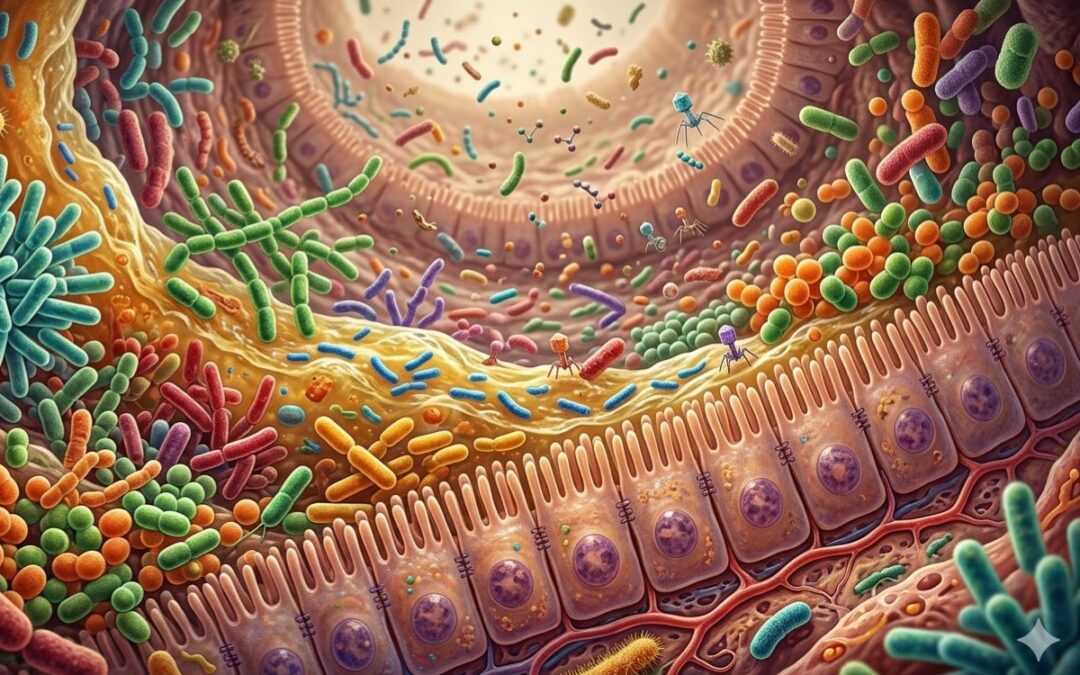
Advances in microbiome science are occurring faster than our ability to apply these insights within complex human systems. While research has dramatically expanded what can be observed within the gut, translating these discoveries into meaningful improvements in...
Reflections and Healing at the End of Life
Words To Begin At age 81, the author has lived a "life of letters" (perhaps three million words) addressing a wide variety of subjects during multiple careers: Systems Engineering (PhD at UCLA in 1976), Military Science (21 years on active duty, in high-tech...
Why Fertility Diagnostics Must Move to Continuous Remote Monitoring
In cardiology and diabetes, we no longer rely on single, in-clinic readings to diagnose complex conditions; instead, remote monitors are used to capture data over a period of time. We’ve seen that the standard of care across medicine is shifting from episodic...
The Microbiome: The Missing Layer in Modern Metabolic Care
Over the last decade, obesity management has undergone a structural transformation. What was once a field dominated almost exclusively by bariatric surgery has evolved into a far more nuanced metabolic discipline. The rise of GLP-1 receptor agonists and dual incretin...
Rethinking the Male Factor in IVF: Why New Sperm Technologies Matter
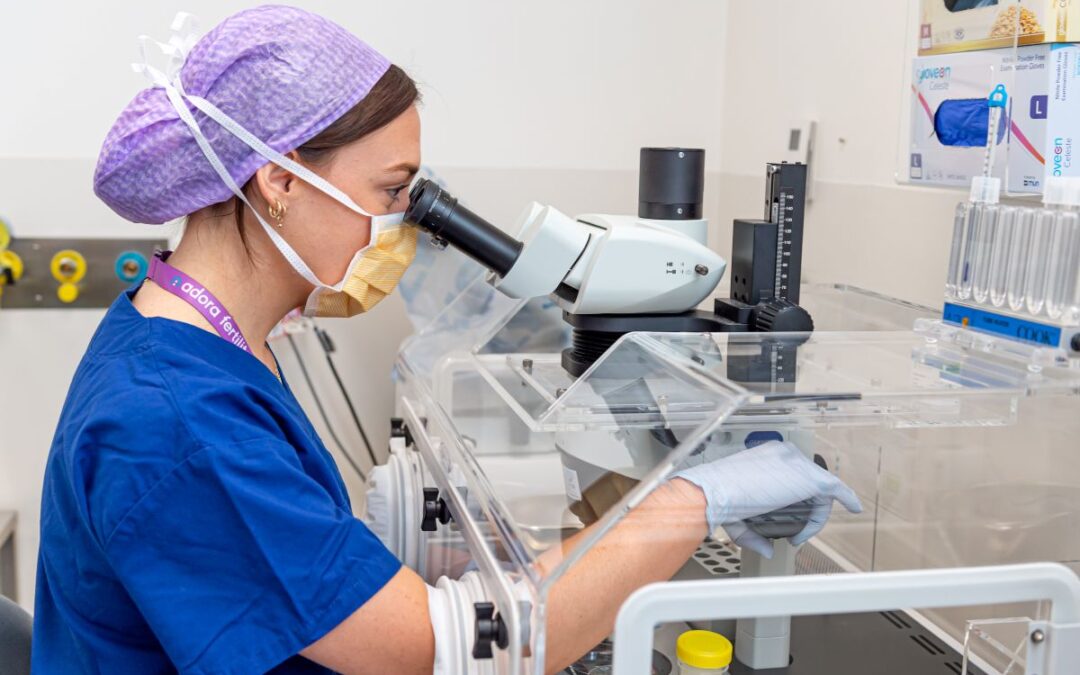
For much of the history of in-vitro fertilisation (IVF), technological advances have focused overwhelmingly on the egg and the embryo. Advances in ovarian stimulation protocols, time-lapse embryo imaging, genetic testing and cryopreservation have dramatically improved...
Why Amazing Medical Technologies Fail (And How to Ensure Yours Doesn’t)
Have you considered what it means to have an FDA-approved, life-changing, medical product? It’s nothing short of amazing! However, let me add on to that question, have you considered what it means to have an FDA-approved, life changing, medical product WITHOUT a...
The Microbiome, as a Performance Regulator: Gut Integrity Under Physiological Load
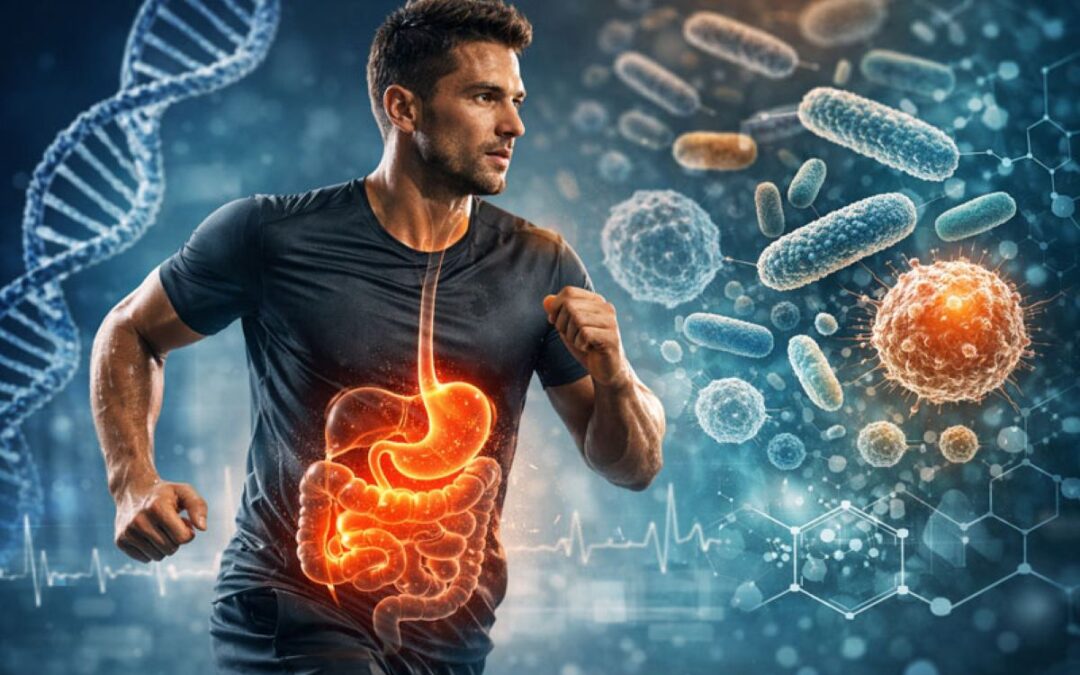
In high-performance populations — elite athletes, tactical operators, founders, executives under sustained cognitive load — resilience is typically framed in terms of cardiovascular output, muscular strength, mitochondrial density or hormonal optimisation. Yet one of...