As the FDA considers reclassifying seven popular peptides, experts say the decision could change how patients access these compounds. As the FDA evaluates whether several commonly used peptides should become eligible for pharmacy compounding, the outcome could...
Compliant on Paper, Exposed in Practice
A pharmaceutical manufacturer completes a technology transfer. The validation protocols have been approved. Training records are complete, documentation has been reviewed, and every required signature has been collected. The project passes its milestones and moves...
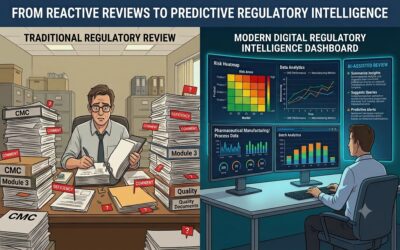
From Reactive Reviews to Predictive Regulatory Intelligence
Every regulatory professional has experienced the same moment. After months, and sometimes years, of preparing a Chemistry, Manufacturing, and Controls (CMC) submission, the application is finally submitted to a health authority. At that point, the questions begin....
Why AI in Life Sciences Lives or Dies on its Data Foundations
AI has moved quickly in the life sciences making exciting breakthroughs and reframing how we think about healthcare. But beneath these breakthroughs, work is happening in places that rarely make headlines, data catalogues, validation plans, audit trails, integration...
CagriSema FDA Review: Novo Nordisk NDA Timeline Explained
The CagriSema FDA review has become one of the most closely watched regulatory processes in metabolic medicine. Novo Nordisk filed a New Drug Application for its once-weekly obesity combination in December 2025, and a decision is widely expected in the final quarter...
Daraxonrasib FDA Filing: What Happens Next for Pancreatic Cancer Patients?
The daraxonrasib FDA filing is nearing completion, marking a pivotal regulatory moment for patients with metastatic pancreatic ductal adenocarcinoma (PDAC). Revolution Medicines announced on 7 July 2026 that its rolling submission of a New Drug Application (NDA) to...
AI Governance in Biopharma Is Failing the Translation Test
Artificial intelligence is no longer experimental in biopharma. It is operational. Across drug discovery and development, AI systems are being used to identify targets, design molecules, optimize mRNA constructs, and simulate biological interactions that were...
AI Transparency Gap in SaMD Regulation
Artificial intelligence is no longer on the horizon of medical device regulation — it’s already on regulators’ desks. The FDA’s iterative guidance on AI/ML-based Software as a Medical Device (SaMD), the EU AI Act’s risk classification scheme, and Health Canada’s...
Why Europe’s Precision Oncology Trials Keep Stalling
Precision medicine works when the right biomarker test reaches the right patient in time. In Europe, the regulatory plumbing is making that harder than it should be. At the 16th Clinical Biomarkers & CDx Summit in London in March 2026, I discussed lessons from MDx...
GSK’s $10.6 Billion Nuvalent Deal: Reshaping the Lung Cancer Drug Race
Two FDA decision dates, 18 September and 27 November, are now the most important dates on GSK's calendar. On 9 June 2026, the British pharmaceutical giant announced it had agreed to acquire Cambridge, Massachusetts-based Nuvalent for $10.6 billion in cash, securing...
The Silent Epidemic: Workplace Bullying in Healthcare
Workplace Bullying in Healthcare and the Leadership Response Healthcare is one of the most demanding professional environments on earth. Clinicians make high-stakes decisions under pressure, routinely absorb the grief and trauma of others, and operate within systems...
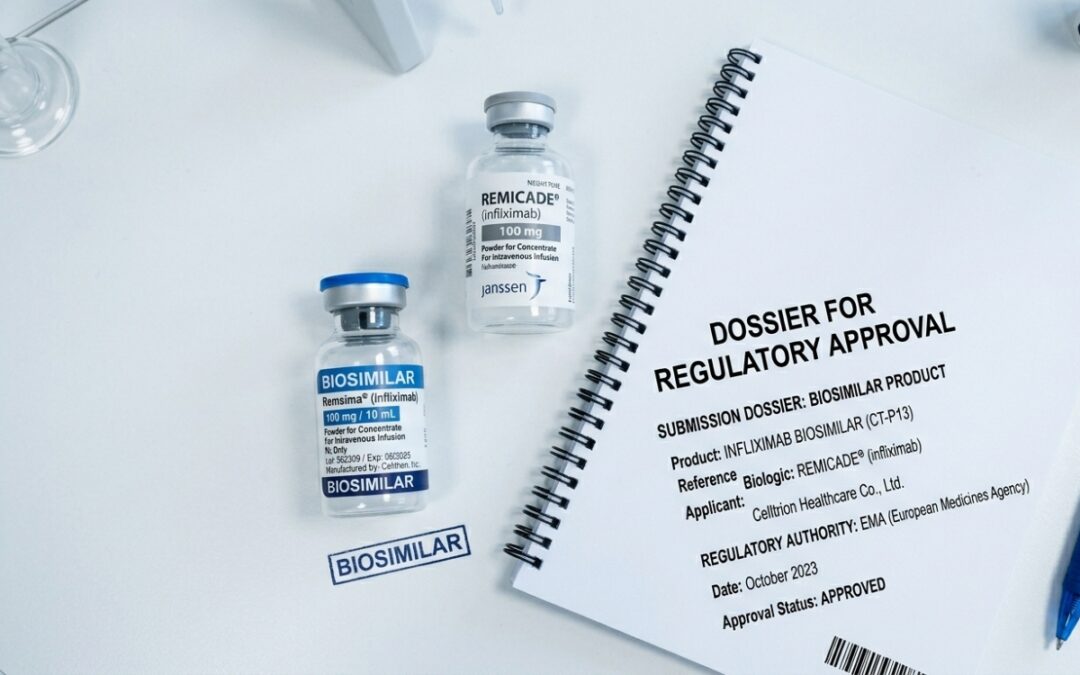
Biosimilar Approvals 2026: What’s Approved and What’s Next
The biosimilar market in 2026 is delivering on years of regulatory groundwork, and the numbers tell a striking story. Since the first US biosimilar was approved in 2015, the sector has generated more than $56 billion in healthcare savings, according to Cardinal...
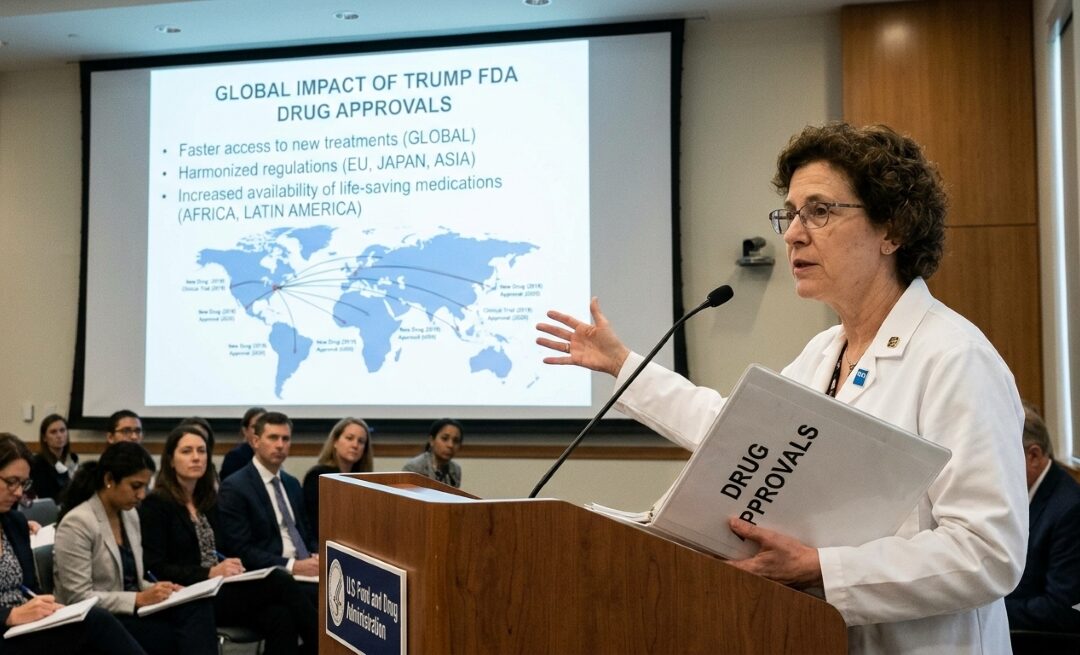
Trump FDA Drug Approvals: Global Impact
Trump FDA Drug Approvals: How US Regulatory Upheaval Is Reshaping the Global Pharmaceutical Industry The United States Food and Drug Administration has long been regarded as the gold standard of drug regulation. When a medicine receives FDA approval, it carries a...
The FDA PMTA Roundtable: Initial Reflections
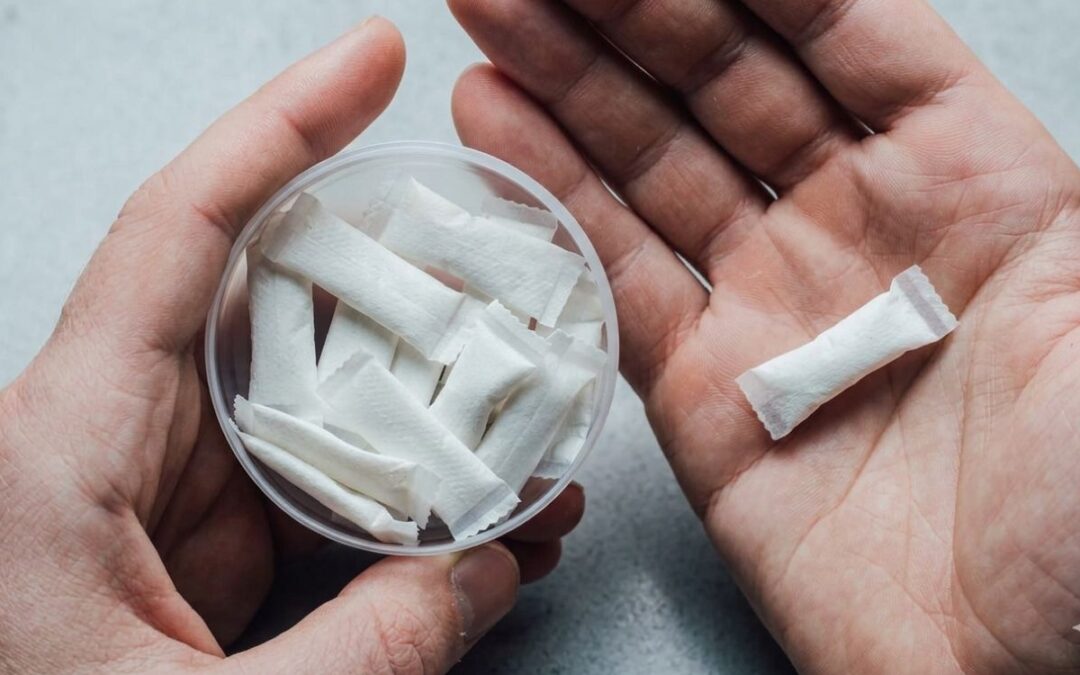
Product characterisation remains the critical test of submission strength The US Food and Drug Administration (FDA) convened a roundtable on the Premarket Tobacco Product Application (PMTA) process, bringing together discussions on product characterisation,...
Rethinking Commercial Strategy for Late Biopharma Entrants
Being first to market in a new therapeutic class is often seen as a winning formula in biopharma. In reality, many of the biggest commercial successes come second, or even later. The difference is not luck. It is timing, differentiation and scale. Understanding late...
Key Thoughts from the on! PLUS TPL Review
The evolving PMTA landscape for nicotine pouches The recent FDA authorisation of on! PLUS nicotine pouches is a significant moment in helping meet tobacco harm reduction (THR) goals. They are the first products to pass a new, faster FDA programme, signifying a...
Medical Writers Become Strategic Partners
In regulated drug development, documentation shapes how a program is understood long before regulators ever see it. Protocols, investigator brochures, integrated summaries, and submission-ready modules establish the scientific and strategic narrative of a development...
FDA Overhauls Pharmacokinetic Study Requirements
FDA Overhauls Pharmacokinetic Study Requirements in New Biosimilar Draft Guidance The US Food and Drug Administration (FDA) has overhauled biosimilar pharmacokinetic study requirements in new draft guidance issued on 9 March 2026, aimed at further reducing the time...