
A pharmaceutical manufacturer completes a technology transfer. The validation protocols have been approved. Training records are complete, documentation has been reviewed, and every required signature has been collected. The project passes its milestones and moves into production.
On paper, everything looks exactly as it should. Six months later, a series of seemingly unrelated quality events begins to emerge. A process parameter starts drifting outside its historical range. A deviation investigation uncovers inconsistencies that no one initially connected. Teams spend weeks gathering information from multiple systems to determine what happened.
The surprising part is not that the issue occurred. The surprising part is that the organization had the information all along.
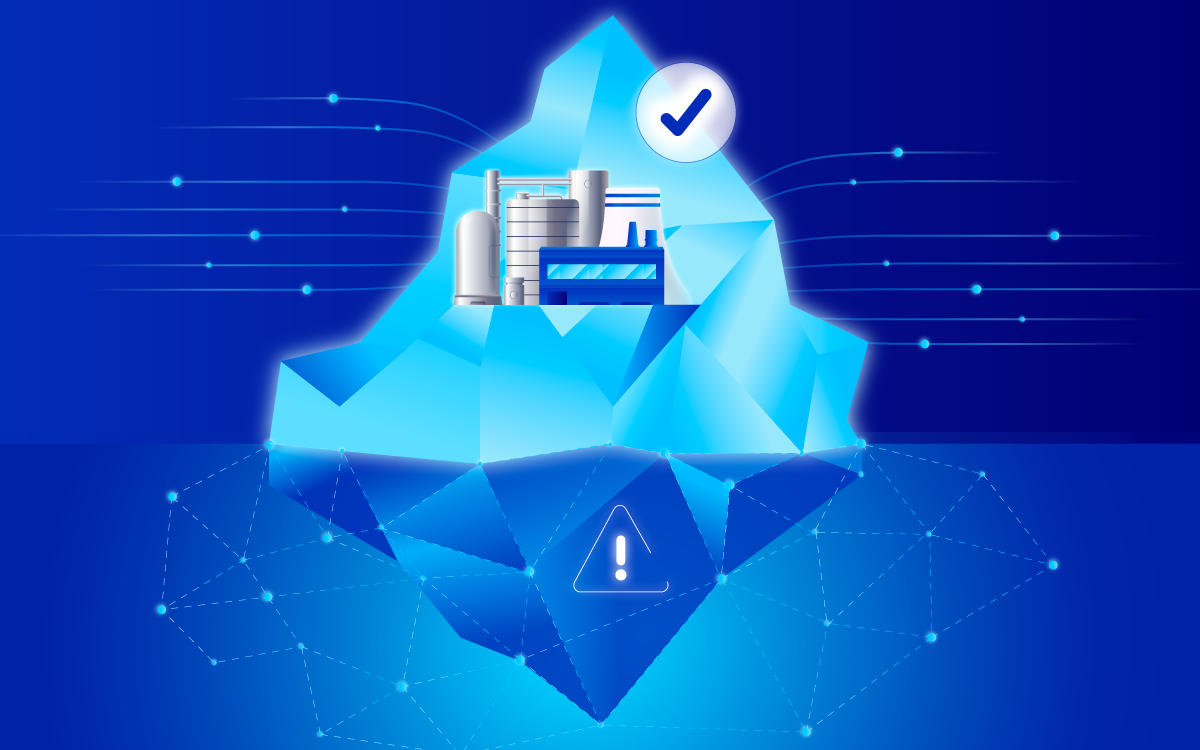
The signals were there, but they were separated by process and system. For example, the CQV record at the receiving site may show a different equipment configuration or operating range than the sending site. The CMC control strategy may identify mixing time, temperature, or hold time as critical process parameters. The validation protocol may pass because each requirement was reviewed within its defined scope. Months later, CPV data may show a slow drift in variability, while the deviation system captures repeated minor investigations. Each signal looks manageable on its own. Viewed together, they show an emerging process risk that no single system can reveal by itself.
I have seen versions of this scenario play out throughout the life sciences industry. And it raises an important question about the industry. We have spent decades perfecting compliance, so why are so many organizations still struggling to see risk in real time?
The answer is that compliance and operational awareness are not the same thing.
Life sciences organizations have become exceptionally good at demonstrating compliance. But today’s manufacturing environment looks very different from the one many of these frameworks were originally designed to support.
Manufacturing networks have grown larger and supply chains are more interconnected than ever before. This causes technology transfers to happen more frequently. And, this means we are generating more data continuously across manufacturing, quality, validation, laboratory and enterprise systems.
Yet much of that information remains fragmented.
The challenge facing the industry today is not about a lack of data, but instead, a lack of connected context. For example, a process change approved during a technology transfer may appear routine. Months later, a slight shift in equipment performance and a rise in deviation investigations emerge at the receiving site. Individually, none of those events trigger concern. Viewed together, however, they may reveal that the transfer introduced variability that was never apparent during validation.
Most organizations can tell you what happened within a specific system. Far fewer can easily understand how information from quality, validation, manufacturing, supply chain and engineering collectively points to an emerging risk.
This is where I believe the industry is reaching an inflection point.
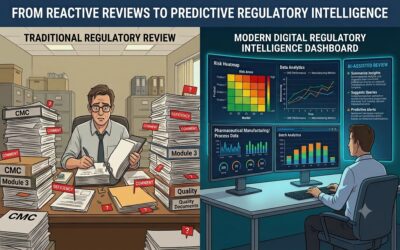
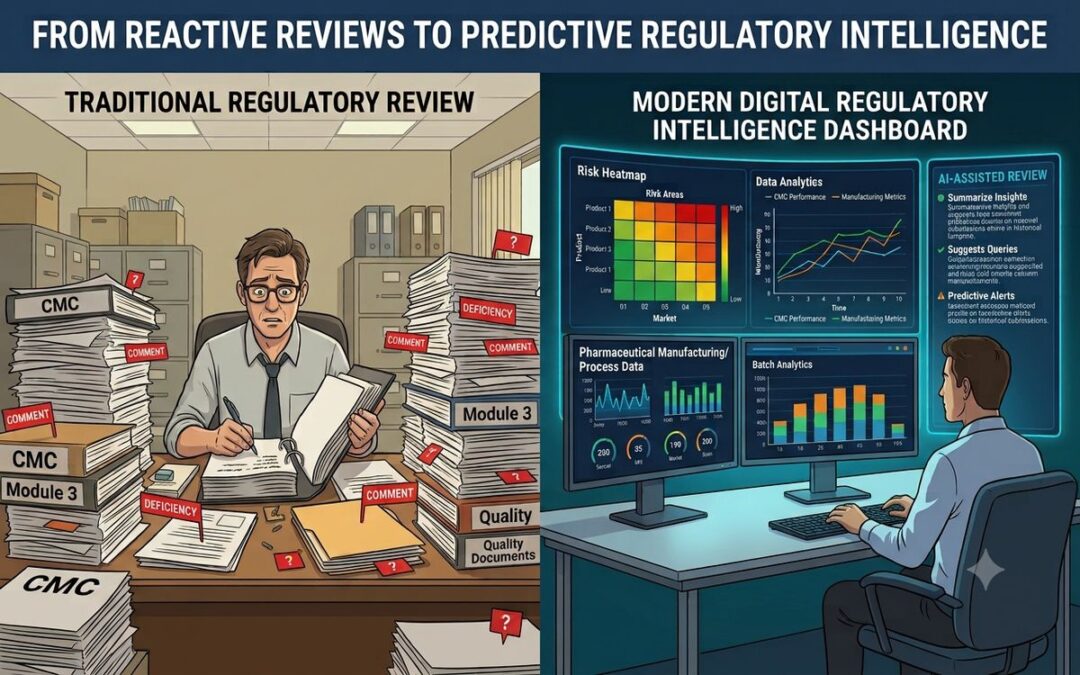
For years, digital transformation focused on converting paper processes into digital processes. That was necessary progress. But digitization alone does not create visibility. In many cases, organizations simply replaced paper silos with digital silos.
The next phase is different. It is about connecting islands of process through a single platform so critical knowledge moves with the product across the lifecycle. Equipment attributes captured during commissioning and qualification should flow into cleaning validation and, when relevant, into CPV. Control strategies, recipes and process knowledge developed in CMC should carry forward into qualification, validation, manufacturing and commercialization. Does AI play a role? Absolutely. AI becomes far more powerful when it operates on connected, trusted and contextualized data.
The most valuable AI applications will not simply generate documents faster. They will help organizations manage knowledge, compare current performance against validated expectations, and identify patterns that would otherwise remain invisible. A connected digital platform creates the foundation. AI accelerates the insight by linking evidence across quality, validation, manufacturing, engineering and process data.
Imagine a connected GxP platform environment where validation activities, equipment attributes, recipes, control strategies, quality events, process data and change controls are connected in one operational thread. In that environment, AI can help detect when a change in equipment performance, a recurring deviation theme or a CPV trend is no longer isolated information, but an early indicator of risk. The organization can then understand not only what happened, but what is beginning to happen and why it matters.
That is a fundamentally different approach to risk management.
Of course, AI is not a magic solution. In regulated environments, organizations must carefully address governance, explainability, validation and data integrity. The same industry that seeks to use AI to reduce risk must also ensure that AI itself operates within a trusted and controlled framework.
But that challenge should not discourage innovation. In many ways, life sciences is uniquely positioned to lead. Few industries have stronger foundations in validation, traceability and quality assurance.
The bigger opportunity is to rethink how risk is managed altogether.
Historically, organizations have relied on periodic reviews to assess operational health. The future will require continuous assurance, enabled by connected GxP systems that maintain a live thread from QbD through commercialization. In this model, the system preserves traceability across process knowledge, validation evidence, equipment attributes, quality events and CPV trends, while AI continuously evaluates new signals against the validated state. Instead of waiting for the next review cycle, teams can see emerging risk earlier, investigate with full context and take action before the issue becomes a significant event.
Because the most dangerous risks in pharmaceutical manufacturing are rarely the ones that have already been documented. They are the ones quietly developing across disconnected systems while the documentation suggests everything remains under control. True control requires more than completed records; it requires connected knowledge, continuous visibility and the ability to act before risk becomes impact.
Author Bio