

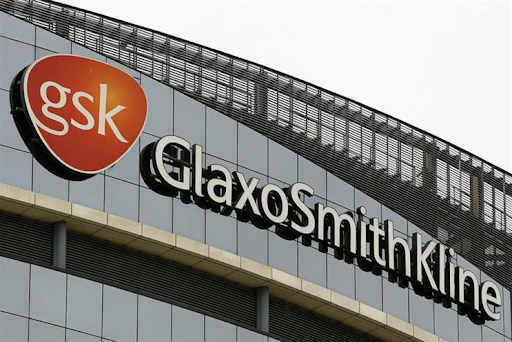
FDA Panel Rebuffs GSK’s Bid to Relaunch Blenrep Over Eye Toxicity Concerns

Jul 23, 2025 | Regulatory

Image Source: Google
Written by: Contributor
On behalf of: Life Science Daily News

A panel of independent experts convened by the U.S. Food and Drug Administration (FDA) has recommended against approving GSK’s (GSK.L) blood cancer treatment Blenrep, citing concerns over known ocular side effects. The decision prompted a nearly 5% drop in the British pharmaceutical company’s U.S.-listed shares by market close on Thursday.

GSK had submitted an application seeking to reintroduce Blenrep to the U.S. market in combination with other therapies for patients with relapsed or refractory multiple myeloma who had undergone at least one prior treatment.

Originally pulled from the U.S. market in 2022, Blenrep was withdrawn after it failed to outperform an existing therapy in a late-stage trial.

On Thursday, the FDA’s advisory committee voted 5–3 against the use of Blenrep with bortezomib and dexamethasone at the proposed dosage, determining the benefits did not sufficiently outweigh the risks. Additionally, the panel overwhelmingly opposed its use with pomalidomide and dexamethasone by a 7–1 vote.

Bortezomib and pomalidomide are both approved treatments for cancer, while dexamethasone is a commonly prescribed generic steroid.

Despite the panel’s recommendation, GSK reaffirmed its confidence in Blenrep’s benefit-risk profile and stated that it intends to continue working closely with the FDA throughout the ongoing review process.

A final decision from the FDA is anticipated next week. While the agency usually follows the guidance of its advisory panels, it is not legally obligated to do so.

In contrast, regulators in the United Kingdom approved the use of Blenrep in combination therapies earlier this year, in April.

The panel’s vote followed a review earlier this week in which FDA staff expressed particular concern over the drug’s potential for ocular toxicity, including symptoms like blurred vision, light sensitivity, and dry eye. These eye-related issues were noted even when Blenrep first received FDA approval, and warnings were included on its label.

During the meeting, advisers also highlighted issues related to the dosing schedule and a lack of diversity among clinical trial participants, particularly with limited inclusion of U.S. patients.

“It is really disappointing to see the fact that we’re still allowing drugs to gain approval with less than 5% U.S. enrollment,” said panelist Daniel Spratt, associate chief scientific officer at University Hospitals Cleveland Medical Center.

Blenrep is classified as an antibody-drug conjugate—a therapy designed to selectively target and destroy cancer cells while minimising harm to healthy tissue.

GSK’s resubmission was supported by two late-stage clinical studies demonstrating that the drug combinations delayed disease progression and reduced mortality risk in patients.


    References:

    Articles that may be of interest

    Why AI Pilots Fail in Life Sciences

    Why AI Pilots Fail in Life Sciences

    Misaligned incentives, the wrong unit of work, and a probabilistic model where the process demands a reproducible one A draft annex to European GMP guidance, out for consultation until October 2025, contains the bluntest sentence yet written about AI in regulated...

    read more
    New Approach Methodologies: What Regulators Now Accept

    New Approach Methodologies: What Regulators Now Accept

    New approach methodologies have moved from the margins of preclinical science to the centre of regulatory policy. Since publishing its Roadmap to Reducing Animal Testing in Preclinical Safety Studies in April 2025, the United States Food and Drug Administration has...

    read more
    CSRD Reporting: What Has Changed for European Biotech

    CSRD Reporting: What Has Changed for European Biotech

    The European Union has rewritten its sustainability disclosure rules. The consequences for the life sciences sector are substantial. CSRD reporting was once expected to capture tens of thousands of companies across the bloc. It now applies to a far smaller group of...

    read more
    FDA Drug Approval Decisions

    FDA Drug Approval Decisions

    Last updated 31 July 2026. Covering target action dates from August to December 2026. The closing stretch of the third quarter has become the busiest regulatory window of 2026. Between early August and the end of September, the US Food and Drug Administration faces...

    read more

    Articles that may be of interest

    Why AI Pilots Fail in Life Sciences

    Why AI Pilots Fail in Life Sciences

    Misaligned incentives, the wrong unit of work, and a probabilistic model where the process demands a reproducible one A draft annex to European GMP guidance, out for consultation until October 2025, contains the bluntest sentence yet written about AI in regulated...

    read more
    New Approach Methodologies: What Regulators Now Accept

    New Approach Methodologies: What Regulators Now Accept

    New approach methodologies have moved from the margins of preclinical science to the centre of regulatory policy. Since publishing its Roadmap to Reducing Animal Testing in Preclinical Safety Studies in April 2025, the United States Food and Drug Administration has...

    read more
    CSRD Reporting: What Has Changed for European Biotech

    CSRD Reporting: What Has Changed for European Biotech

    The European Union has rewritten its sustainability disclosure rules. The consequences for the life sciences sector are substantial. CSRD reporting was once expected to capture tens of thousands of companies across the bloc. It now applies to a far smaller group of...

    read more
    FDA Drug Approval Decisions

    FDA Drug Approval Decisions

    Last updated 31 July 2026. Covering target action dates from August to December 2026. The closing stretch of the third quarter has become the busiest regulatory window of 2026. Between early August and the end of September, the US Food and Drug Administration faces...

    read more