The Genglycos gene therapy approval gives patients with glycogen storage disease type Ia a new option. The FDA describes it as the first approved treatment for the condition. It is designed to address the underlying cause. The US Food and Drug Administration granted accelerated approval on 19 August 2026. Ultragenyx Pharmaceutical developed the product, previously known as DTX401. It is the company’s first gene therapy clearance and its fifth FDA approval overall. The decision arrived four days before the 23 August target action date. For rare disease developers, the reasoning behind the clearance matters as much as the outcome.
What the Genglycos gene therapy approval actually covers
The FDA cleared Genglycos, generic name pariglasgene brecaparvovec-opnr, for patients aged eight years and older. The label is narrow and specific. It indicates the therapy to reduce daily cornstarch intake as an adjunct to nutritional management.
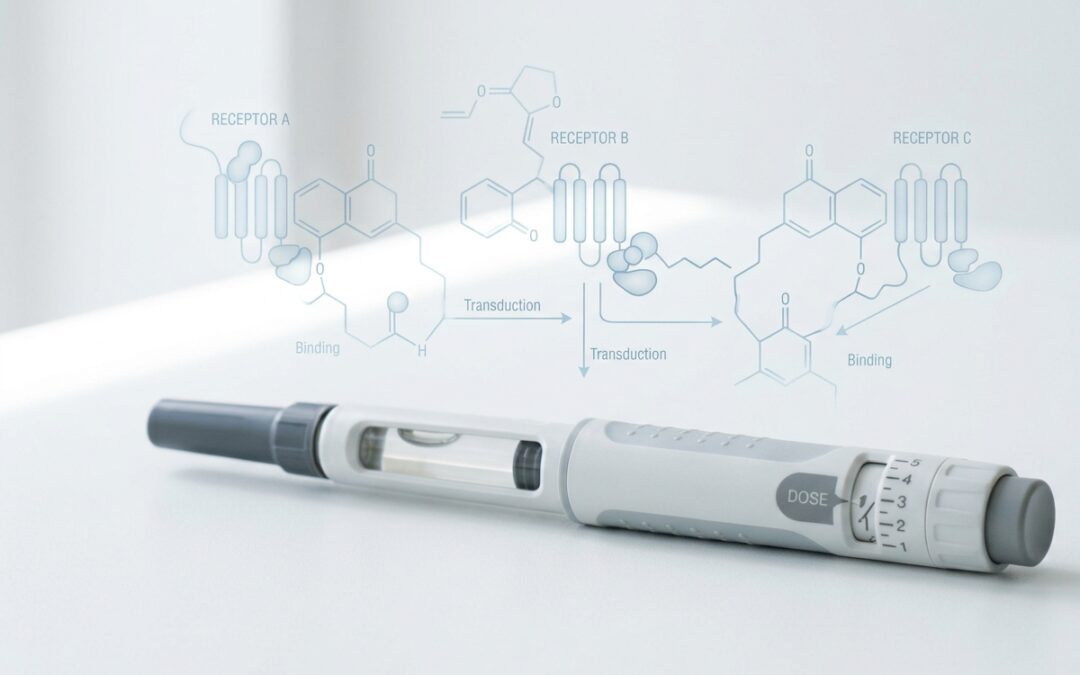
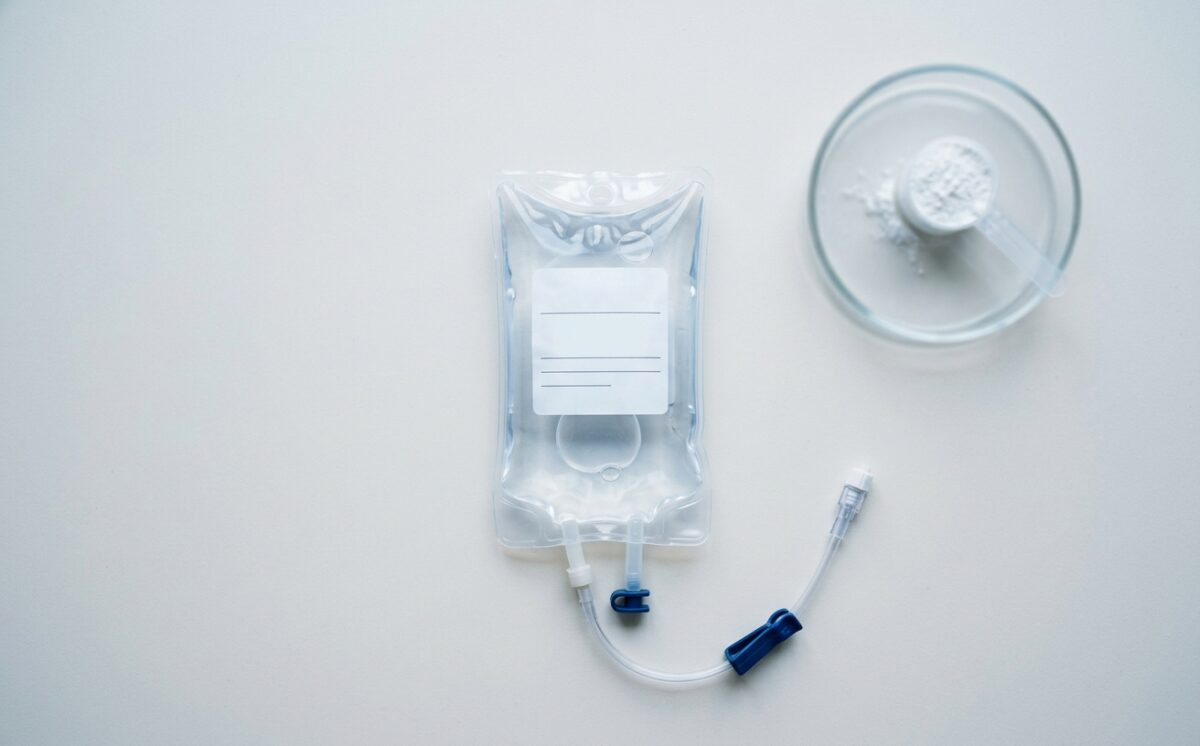
Genglycos is an AAV8 vector that delivers a functional G6PC gene to liver cells. Patients receive a single intravenous infusion at a dose of 1.0 x 10^13 GC/kg. The disease stems from a deficiency of the glucose-6-phosphatase enzyme. Without that enzyme, the liver cannot release stored glucose during fasting.
Current management therefore depends on raw cornstarch taken around the clock. Missed doses can trigger severe hypoglycaemia. Ultragenyx estimates 1,500 to 2,500 patients in the United States. The company puts the global figure at 6,000 to 8,000 across commercially accessible markets.
Eligibility narrows that pool further. Pre-existing antibodies to the AAV8 capsid rule patients out of treatment. Ultragenyx will study antibody positive patients as controls in its post-marketing programme. Screening capacity at treatment centres therefore becomes a practical gating factor for launch.
Inside the GlucoGene Phase 3 data
The approval rests on the GlucoGene Phase 3 study. Investigators enrolled 46 participants aged eight and over. The design was randomised, double blind and placebo controlled across 48 weeks. The modified intention to treat analysis covered 44 participants, with 20 on therapy and 24 on placebo.
At week 48, treated patients showed a 31 per cent mean reduction from baseline in daily cornstarch intake, against placebo. The result reached statistical significance at p less than 0.001. A secondary endpoint recorded a mean reduction of one cornstarch dose per day. Follow up analyses are running at week 96 and week 144 after crossover.
Eric Crombez, Chief Medical Officer at Ultragenyx, framed the mechanism plainly in the company’s approval announcement. He said reduced reliance on cornstarch demonstrates the therapy’s ability “to establish the normal breakdown of glycogen”. The same statement describes that effect as producing glucose “during fasting or episodes of metabolic stress”.
Safety signals written into the label
The safety picture is not trivial. Seven serious adverse events occurred during the first 48 weeks. These covered anaphylaxis or infusion reaction, adrenal insufficiency, raised lactate and hypoglycaemia.
Common adverse reactions at 10 per cent or above included elevated liver transaminases in 71 per cent of patients. Nausea affected 38 per cent and headache 24 per cent. Hypertriglyceridaemia occurred in 29 per cent of treated patients against 8 per cent on placebo.
The prescribing information carries warnings on anaphylaxis, liver toxicity and adrenal insufficiency. It also flags a theoretical tumorigenicity risk linked to vector integration. The label carries a single contraindication, known severe hepatic fibrosis or cirrhosis. It also states the therapy should not be used during pregnancy. Effective contraception is advised for at least 12 months after administration.
Why the surrogate endpoint choice matters
The regulatory signal here is unusually clear. The FDA accepted a reduction in treatment burden as a surrogate endpoint. Cornstarch intake is not a biomarker in the conventional sense. It is a measure of how much daily management a patient must sustain. The agency also recorded a counter signal. Treated patients saw a mean 3 per cent increase in glucose values in the hypoglycaemic range, against placebo. The approved indication does not extend to preventing hypoglycaemia or improving survival.
Megha Kaushal, Acting Deputy Director of the CBER Office of Therapeutic Products, addressed that reasoning directly. She said the accelerated approval “reflects our confidence in the clinical evidence to date”. Kaushal also cited a commitment to “bringing innovative treatments to patients with rare genetic diseases”. The agency will “continue to gather data to confirm long-term benefit”, she said.
Karim Mikhail leads the FDA’s Center for Biologics Evaluation and Research as Acting Director. He called the clearance “a great milestone in using a gene therapy to treat this disease”. The agency granted regenerative medicine advanced therapy and fast track designations during development.
Confirmatory obligations follow. Ultragenyx must run a two year post-marketing study covering 50 treated patients and 20 controls. A ten year disease monitoring programme will track longer term outcomes.
A $2.7 million price meets a fragile market
Ultragenyx set a wholesale acquisition cost of $2.7 million, according to trade reporting of the company’s launch briefing. That figure is a list price. Net prices after payer discounts and outcomes agreements are not public. Commercial supply is expected within 30 to 60 days through qualified treatment centres. Manufacturing runs from the company’s site in Bedford, Massachusetts.
That price lands in a difficult commercial environment. Several one-time gene therapies have struggled to convert approval into revenue. Ultra-rare populations make payer negotiations slow and individual contracts complex.
Ultragenyx held $436 million in cash and marketable securities at 30 June 2026. Chief Executive and President Emil Kakkis has said the company remains on track for profitability in 2027. Chief Financial Officer Howard Horn told investors the company intends to monetise its vouchers for non-dilutive capital. He was speaking on the second quarter earnings call.
The priority review voucher economics
Approval brought a rare paediatric disease priority review voucher. Those assets now carry real balance sheet weight. Rocket Pharmaceuticals closed the sale of a rare paediatric disease voucher for $180 million in June 2026.
A comparable sale would materially strengthen Ultragenyx’s position. It would also cover a meaningful share of launch costs before revenue builds. For small and mid-cap rare disease developers, voucher value increasingly shapes financing plans.
A second decision is close behind. The FDA is due to rule on UX111 for Sanfilippo syndrome type A on 19 September 2026. That application drew a complete response letter over manufacturing in 2025. A second approval would likely qualify Ultragenyx for a further voucher, alongside a second gene therapy launch.
The UK and European picture remains open
Ultragenyx has said it has filed or plans to file in other territories. The company has not published a European or UK timeline. That leaves British clinicians without a defined access route for now.
The unmet need in England is documented. A retrospective analysis of Hospital Episode Statistics identified 943 patients with GSDIa in NHS secondary care. The data covers April 2015 to December 2020. Kruger and Giblin reported the findings in the Journal of Health Economics and Outcomes Research in 2025. The analysis was funded by Ultragenyx. Its lead author was employed by the company at the time. The authors note that no GSDIa specific ICD-10 code exists, which limits case identification.
Patients averaged eight hospital events a year against roughly one for the general HES population. Adolescents aged 12 to 17 accumulated the most events across the tracked period, averaging 28.5 in total. Mortality reached 4.3 per cent versus 0.93 per cent population wide, with death occurring about 14 years earlier than expected.
Those numbers give NICE and NHS England a quantified baseline. Any future UK submission will be assessed against that burden. The Highly Specialised Technologies route remains the most likely evaluation pathway.
The MHRA also offers an international recognition procedure for products already cleared elsewhere. That route can shorten timelines for approvals granted by trusted regulators. However, reimbursement, not licensing, usually decides access for one-time therapies at this price. Managed access agreements have carried several gene therapies into NHS use before.
What developers should take from the decision
Three points stand out for teams building rare disease programmes. First, CBER continues to show flexibility on endpoint selection where the daily burden of care is severe and measurable. Second, that flexibility comes attached to substantial post-marketing commitments.
Third, the commercial model still depends on more than the label. Voucher monetisation, treatment centre readiness and payer engagement all sit on the critical path. Ultragenyx says it has contracted its treatment centre network and holds commercial inventory ready.
The confirmatory data will decide whether cornstarch reduction proves durable as a proxy for benefit. Regulators, payers and investors will watch the week 96 and week 144 readouts closely. Until then, the approval stands as a template rather than a settled precedent.