The rapid rise of GLP-1 medications has transformed healthcare delivery in ways few therapeutic categories have achieved in recent decades. Originally developed to help manage type 2 diabetes, GLP-1 receptor agonists such as semaglutide and tirzepatide have become household names due to their effectiveness in treating obesity and metabolic disease. What began as a breakthrough treatment category has evolved into a broader healthcare movement; one that is reshaping pharmaceutical supply chains, accelerating decentralized care models, and creating new operational and compliance challenges that many healthcare stakeholders are only beginning to recognize.
The numbers tell a remarkable story. According to IQVIA, GLP-1 prescription volume surpassed 9 million prescriptions by the end of 2024, while the number of unique patients using a GLP-1 therapy reached approximately 11 million by the second quarter of 2025. The patient population using these medications increased by roughly 200% in just a few years, making GLP-1s one of the fastest-growing pharmaceutical categories in modern history.
At the same time, access to these therapies is increasingly being driven through decentralized healthcare channels. Telehealth platforms, direct-to-consumer prescribing models, specialty pharmacies, and home delivery services have dramatically expanded patient access. The convenience is undeniable, but the shift also raises important questions about medication management, regulatory compliance, patient education, and safe disposal practices.
As healthcare leaders focus on expanding access, we must also address what happens after these medications arrive in patients’ homes.
The Decentralization of Care Is Changing Compliance Requirements
Historically, medication administration and monitoring occurred primarily within traditional healthcare settings. Patients received prescriptions through physicians’ offices, obtained medications through local pharmacies, and relied on regular in-person follow-up appointments.
Today, the patient journey looks very different.
Virtual consultations can lead to prescriptions being issued within hours. Medications are often delivered directly to patients’ homes. Follow-up care may occur entirely through digital platforms. This decentralized approach has improved access for millions of Americans, particularly those in rural and underserved communities.
However, healthcare organizations now have less direct visibility into how medications are stored, administered, tracked, and ultimately disposed of once treatment ends.
For injectable GLP-1 therapies, this creates unique safety concerns. Patients must manage needles, pens, sharps containers, temperature-sensitive products, and partially used medications without the oversight that often accompanies in-clinic administration.
As adoption grows, healthcare systems must ensure that education around medication handling keeps pace with prescription growth.
The Emerging Waste Management Challenge
One of the least discussed consequences of the GLP-1 boom is the volume of pharmaceutical waste being generated.
Every prescription has a lifecycle. Some patients discontinue therapy due to side effects. Others switch medications. Dosages may change. Products may expire. In many cases, patients are left with unused medication and associated injection devices.
The U.S. Food and Drug Administration consistently identifies medication take-back programs as the preferred method for disposing of unused or expired medications. The agency warns that unused medications present risks to children, pets, and others who may accidentally access them, while improper disposal can create environmental concerns.
Yet participation in take-back programs remains inconsistent, particularly among patients receiving medications through decentralized channels who may never have direct interactions with local pharmacies or healthcare facilities.
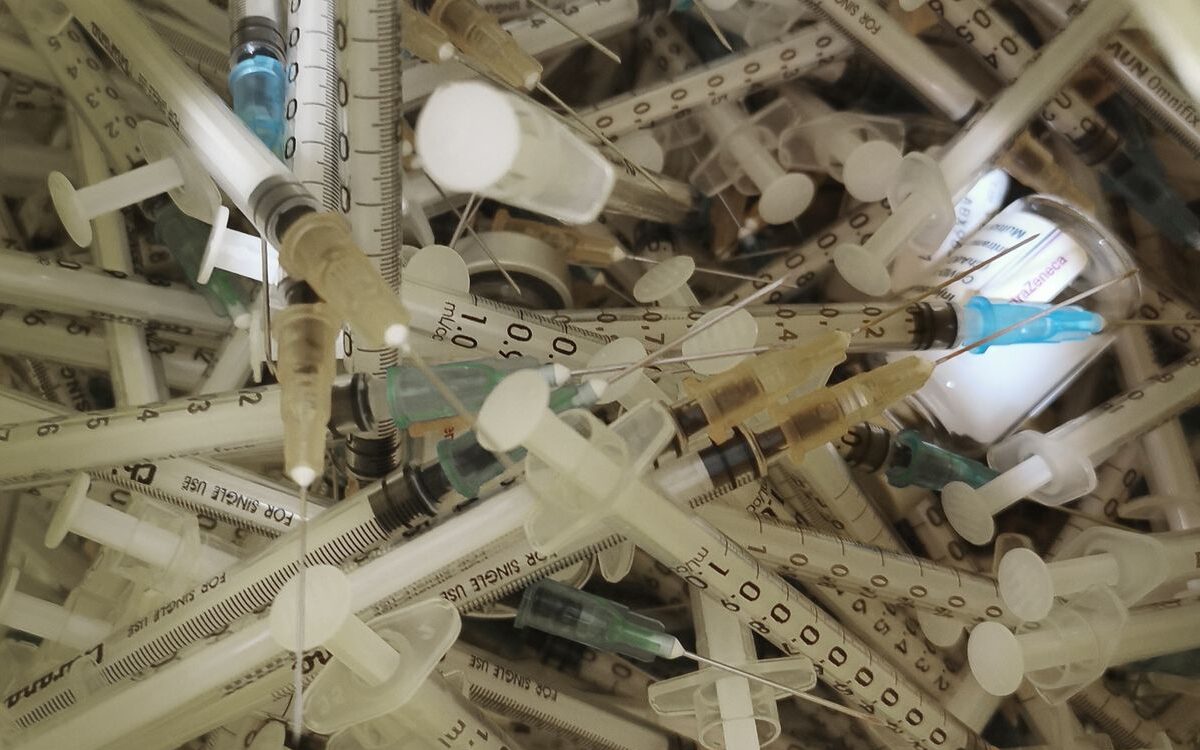
The challenge becomes even more complex when injectable medications are involved. Patients may understand how to dispose of medication in pill form but remain uncertain about needles, syringes, injector pens, and sharps containers.
What should I do with used diabetic syringes?
What are the rules and regulations for disposing of medical waste at home?
Can I dispose of needles in my regular trash if they’re in a container?
As millions of additional patients begin using GLP-1 therapies, these questions become operational concerns rather than isolated patient education issues.
Regulatory Complexity Is Increasing
The compliance landscape surrounding GLP-1 medications has also become increasingly complex.
During recent supply shortages, compounded versions of GLP-1 medications proliferated across the market. Telehealth providers, compounding pharmacies, and direct-to-consumer healthcare companies rapidly expanded access to meet extraordinary demand.
Now that federal regulators have declared key GLP-1 shortages resolved, the regulatory environment is shifting once again. The FDA has begun winding down temporary policies that enabled expanded compounding activity during shortage periods, creating new compliance obligations for providers, pharmacies, and manufacturers alike.
This evolving landscape highlights an important reality: a medical professional’s duty to their patient does not end with prescribing.
Organizations must maintain visibility across the entire medication lifecycle, including procurement, distribution, patient education, adverse event reporting, and end-of-use disposal processes.
Healthcare innovators often focus on front-end patient acquisition and treatment outcomes. Increasingly, regulators and stakeholders will expect equal attention to downstream management and accountability.
Why Healthcare Leaders Should Care Now
The scale of adoption means these challenges are no longer theoretical.
Industry analysts estimate that millions more patients will begin GLP-1 therapy over the coming years as additional indications are approved, manufacturing capacity expands, and oral formulations enter the market. Consumer-driven healthcare models are expected to make these therapies even more accessible through digital platforms and retail health ecosystems.
As utilization expands, healthcare organizations face several key risks:
- Improper disposal of unused medications.
- Inadequate management of sharps waste generated in the home.
- Patient confusion regarding storage and handling requirements.
- Increased regulatory scrutiny surrounding medication lifecycle management.
- Environmental concerns associated with pharmaceutical waste streams.
Addressing these issues proactively is significantly less expensive than responding after compliance failures occur.
Organizations that integrate disposal education, medication stewardship, and waste management strategies into patient engagement programs today will be better positioned as regulators and payers place greater emphasis on comprehensive treatment accountability.
A New Definition of Patient Support
The next phase of healthcare innovation must move beyond access alone.
The success of decentralized care should not be measured solely by how quickly a prescription reaches a patient. It should also be measured by how effectively healthcare systems support safe medication use from initiation through final disposal.
For GLP-1 therapies, that means building patient education programs that address real-world medication management. It means creating convenient pathways for medication returns and disposal. It means helping patients understand their responsibilities when using injectable therapies at home.
Most importantly, it means recognizing that compliance is no longer confined to healthcare facilities.
The future of care is increasingly decentralized. As that future arrives, healthcare leaders must ensure that safety, stewardship, and compliance remain centralized priorities.
Author Bio

Jeff Miglicco is the CEO and Co-Founder of PureWay Compliance Inc., a nationwide healthcare waste management company that provides compliant solutions for the safe disposal of medical sharps and healthcare waste. A Forbes Business Council member with over 18 years of experience in the sector, he specialises in large-scale operational transformation, regulatory compliance, and building scalable waste management services that protect patients, providers, and the environment.