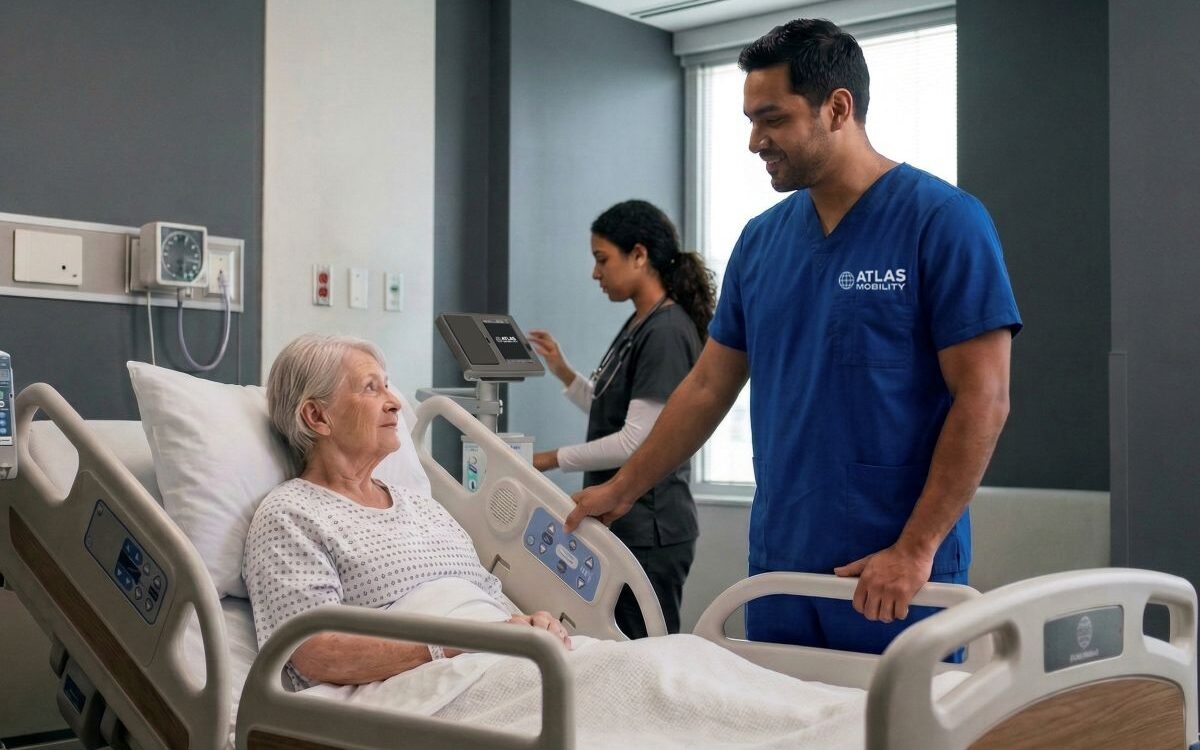
After more than three decades in nursing, I have had the privilege of caring for patients during some of the most vulnerable moments of their lives. I have worked alongside extraordinary nurses, therapists, physicians, and support staff who dedicate themselves to helping patients heal.
Several years ago, a stroke gave me a new perspective on that experience.
For the first time, I found myself in a hospital bed, relying on others for care and support during my recovery. It was a humbling experience, but it was also an inspiring one. Every day, I witnessed the compassion, skill, and commitment of the healthcare professionals caring for me.
One lesson became increasingly clear throughout my recovery: exceptional care depends on exceptional people.
The nurses caring for me wanted the very best for every patient on the unit. They were attentive, compassionate, and deeply committed to delivering high-quality care. They were also managing demanding workloads, balancing competing priorities, and caring for more patients than any one person could reasonably focus on at a given moment.
That experience reinforced a belief I have carried throughout my career: healthcare’s greatest resource is its people. When we invest in supporting caregivers, patients benefit.
Today, that belief continues to guide my work as Chief Nursing Officer at Atlas Mobility.
Recovery Happens One Movement at a Time
Stroke recovery is often measured in small victories.
Sitting up independently. Standing safely. Taking a few steps. Building strength day after day.
As a patient, those moments represented progress. As a nurse, they reinforced something I had long understood clinically: mobility is a critical component of recovery.
Movement helps patients maintain strength, preserve function, improve circulation, and reduce the risk of complications associated with prolonged immobility. It also provides something equally important: confidence.
Every successful movement reminds patients that recovery is possible.
Yet helping patients move safely and consistently requires time, coordination, and resources. In today’s healthcare environment, care teams face growing demands on their attention. Every shift requires balancing medications, assessments, documentation, admissions, discharges, patient education, family communication, and countless other responsibilities.
Mobility often competes with dozens of urgent priorities.
The challenge is rarely a lack of commitment. The challenge is capacity.
The Reality of Patient Turning and Pressure Injury Prevention
One memory from my hospitalization has stayed with me.
Throughout my recovery, I received excellent care from dedicated clinicians. Yet during my hospitalization while immobile, I was rarely turned or repositioned in bed.
Fortunately, I did not develop a pressure injury. Many patients are not as fortunate.
As a nurse leader, I understood exactly why this happened. The care team was working incredibly hard. They cared deeply about their patients. They were also stretched thin.
That experience highlighted an important reality facing hospitals across the country.
Pressure injury prevention depends on consistent execution of evidence-based practices, including regular repositioning and mobility. Most clinicians understand the importance of these interventions. The challenge lies in sustaining those practices amid the constant demands of a busy hospital environment.
When staffing resources are limited and patient acuity continues to rise, even highly engaged teams can struggle to keep pace with every aspect of care delivery.
This is one reason hospital-acquired pressure injuries remain a persistent challenge throughout healthcare.
Rather than asking caregivers to simply work harder, healthcare organizations have an opportunity to provide additional support through dedicated resources and technology that help teams deliver the care they already know patients need.
Supporting Caregivers Through Technology and Dedicated Mobility Resources
One of the most encouraging developments in healthcare today is the growing recognition that mobility deserves the same level of attention as other critical patient care activities.
That belief is reflected in the work we do at Atlas Mobility, where mobility is treated as a measurable component of patient care.
Our approach combines dedicated Mobility Technicians with mobility monitoring technology that helps care teams understand whether patients are moving and repositioning as intended. Rather than relying solely on manual observation, caregivers gain objective visibility into patient mobility activity and repositioning compliance.
This information helps teams identify patients who may need additional attention before complications occur.
Equally important, Mobility Technicians provide hands-on support that helps alleviate the burden placed on bedside caregivers. They work alongside nursing teams to assist with patient movement, repositioning, ambulation, and mobility-related activities that are essential to recovery.
By providing additional mobility resources, healthcare organizations can free caregivers to focus on clinical responsibilities that require their expertise and judgment.
Over the years, Atlas Mobility programs have, in our experience, helped hospitals achieve meaningful reductions in hospital-acquired pressure injuries while also improving caregiver safety and patient mobility outcomes. These results reflect what becomes possible when healthcare organizations provide caregivers with the resources needed to consistently execute best practices.
Caring for the Caregivers
My experience as a stroke survivor deepened my appreciation for patients. It also deepened my appreciation for the caregivers who show up every day to serve them.
Healthcare professionals continue to demonstrate remarkable resilience in the face of increasing demands. They deserve solutions that support their work, strengthen patient care, and help them achieve the outcomes they strive for every day.
When healthcare leaders talk about patient safety, quality, and outcomes, mobility belongs in that conversation.
When we help patients move, we help them recover.
When we help patients reposition safely and consistently, we reduce avoidable harm.
When we support caregivers with additional resources, we create an environment where both patients and care teams can thrive.
The lessons from my stroke recovery continue to stay with me years later. They serve as a reminder that great care is built on compassion, teamwork, and a shared commitment to helping people heal.
Most of all, they remind me that behind the metrics and performance dashboards is a patient working toward recovery and a care team committed to helping them get there.
As nurses and healthcare leaders, helping make that possible remains one of our greatest privileges.
Author Bio
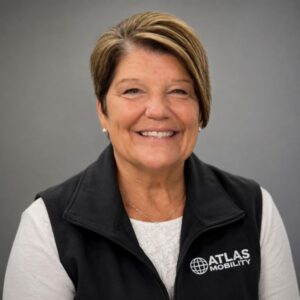
Vicki L. Huber, RN, MSN, MBA, CHE, is Chief Nursing Officer at Atlas Mobility, where she leads clinical strategy to advance safe, effective patient mobility across hospitals nationwide. With more than 30 years of executive and bedside nursing experience across non-profit and for-profit health systems, she is a nationally recognised, award-winning nurse executive with expertise spanning clinical operations, patient safety, and workforce development. As a stroke survivor, Vicki brings a deeply personal perspective to her work and is a sought-after speaker on the future of clinical mobility and nurse leadership.