
It’s no secret that the National Health Service (NHS) is suffering diagnostic pressure. The British Medical Association (BMA) reports that in November 2024, approximately 1.6 million people in England were waiting for a diagnostic test. That’s double the 0.8 million waiting in January 2006.
With musculoskeletal (MSK) conditions and chronic pain driving outpatient demand across the UK, we need to address the increasing delays in diagnostic pathways.
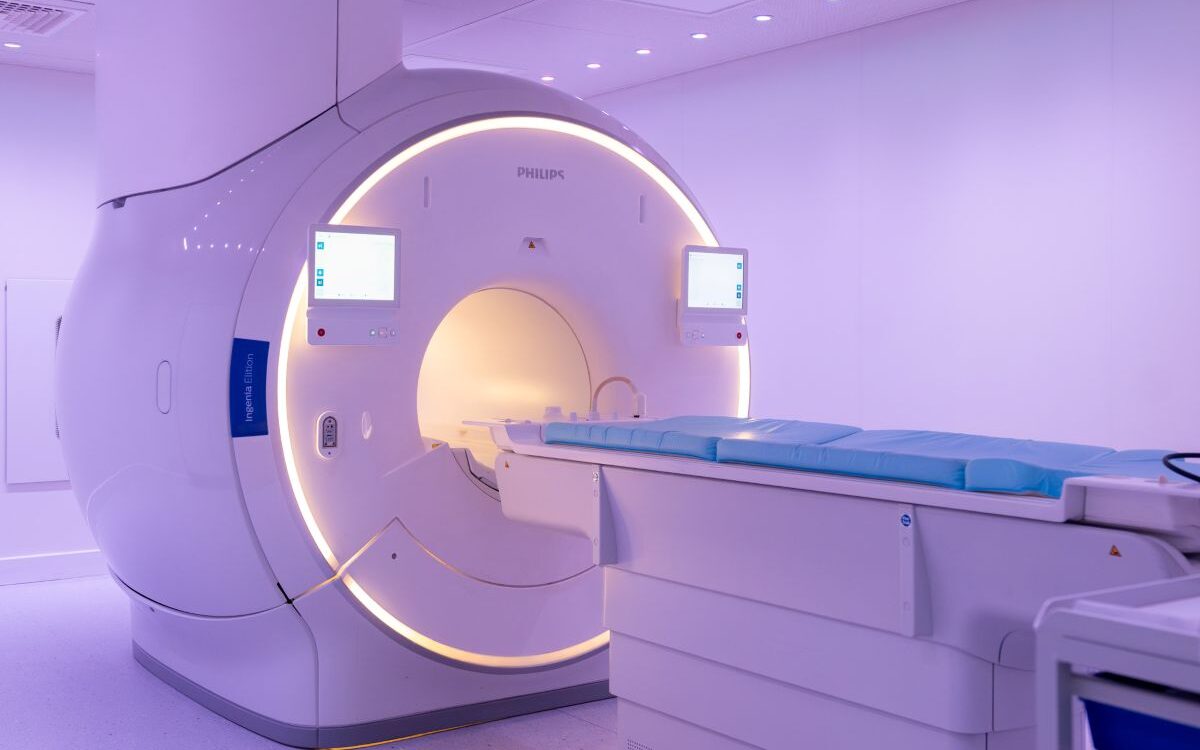
Access to Magnetic Resonance Imaging (MRI) may be available, but that does not mean access is quick. With rapid access, pathways can become faster, safer and more patient-centred.
Demand vs speed
Demand for diagnostics is rising faster than they can be delivered. Whilst GPs can refer patients for MRI scans on the NHS, long waiting lists often put patients in limbo. For both NHS and independent services, this can span from weeks to months to years. Access also depends on the capacity of your local area, with some regions having lower staffing and scanning limitations.
Currently, there is no sign of this slowing down. The Office for National Statistics (ONS) predicts the number of people aged 85 years and over will be 3.3 million by 2047, making up 4.3% of the UK population. This takes it to almost double what it was in 2020. And with around a third of the UK population having an MSK condition, this strain places a huge impact on the NHS and the wider economy.
Poor MSK health can affect mobility, independence and quality of life. Unnecessary delays in scans and treatment could be detrimental.
Streamlining pathways
It’s not just delays in imaging that are a concern. The Royal College of Radiologists reported that almost one million patients in 2024 waited more than a month for their scan results, breaching the one-month target for reporting. This was also impacted by a national 30% shortfall in clinical radiologists, with services struggling to keep pace against rising demand.
Reducing delays therefore doesn’t just come from shortening the waiting list. With quicker reporting and turnaround times, patients can make informed decisions about their health without putting as much strain on clinics.
Embedding both rapid access MRI and consultant reporting into diagnostic pathways can enable effective treatment planning, without the administrative backlog. Having both aspects under one roof can also reduce delays and friction. With some multi-stop models (e.g. separate clinics, waiting lists and appointments), there’s a risk of a negative patient experience, one that feels disjointed with little progress made between each stop.
Acute problems vs chronic conditions
When a pathway bottleneck occurs, patient-centred care is at risk of being compromised. Through backlogs, patients face delays in getting the full picture, and higher-risk patients may go undetected.
This backlog risks acute problems developing into chronic conditions. These often become more difficult to treat, carrying implications for long term morbidity and its consequences.
One example is MRI’s ability to detect stress fractures, especially in athletes. Rapid access MRI can prevent this from developing into a full fracture, easing long-term complications and chronic pain. An occult hip fracture, initially missed on X-Ray, could progress to impaired mobility, and may even need reconstructive surgery if left untreated.
But it’s not just bone fractures. MRI’s advanced visualisation can play a crucial role in evaluating myocardial diseases, neurological disorders and abdominal illnesses. Combining detail with early detection shortens the time from symptom onset to actionable diagnosis and treatment.
The role of self-referral
For MRI, rapid access is becoming increasingly possible through self-referrals. Unlike X-Rays or CT scans, MRI doesn’t use ionising radiation, instead relying on magnetic fields and radio-frequency signals. This carries less risk, and there’s less need to determine whether the scan is justified or carries unnecessary exposure to radiation.
This also makes MRI safer in repeat imaging, particularly for monitoring tumours and neurological conditions. For X-Rays and CT scans, risks can also accumulate over time, particularly in paediatric imaging as children are more sensitive to radiation.
As a form of non-invasive imaging, MRIs require less clinical gatekeeping, making self-referral possible. That’s not to say MRI doesn’t require clinical oversight, but it does help break diagnostic bottlenecks. Through bypassing GP approval, unnecessary appointments and prolonged treatment cycles can be better avoided. Self-referrals can also act as a corrective pathway; for patients feeling dismissed in their care, having direct access to MRI can encourage people to seek their own answers for their health. Diagnosis can be quicker and treatment can be more tailored, both helping to decrease morbidity.
With rapid access and new models of care, diagnostic pathways can be both clinically safe and operationally smooth. MRI is crucial to this. Through non-invasive imaging and self-referral, patients can get answers with less wait. When it comes to our ageing population, this early detection will likely be key for reducing the strain across healthcare systems and enhancing people’s quality of life.
Author bio:
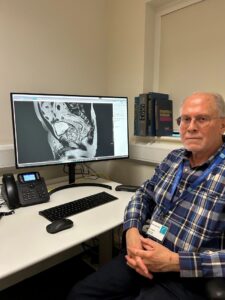
Dr David Beale
Dr David Beale is a Consultant Neuroradiologist, Clinical Director and Founder of Heath Lodge Clinic. He was the first Radiologist in the West Midlands to provide access to independent MRI scans, after completing his training in London. Heath Lodge Clinic opened in 2009, an independent clinic offering high-quality, high-speed MRI scans and pain management to patients nationwide.