

For decades, the global medical community has looked to Japan with a sense of wonder, specifically regarding the Japanese paradox of longevity. Epidemiological data consistently highlights a significant cardiovascular health gap between Japan and Western nations like the United Kingdom. While the UK faces an age-standardised cardiovascular disease (CVD) mortality rate of 118 per 100,000, Japan’s stands at a remarkably lower 76.5 per 100,000, according to 2023 data. Historically, this gap was even more pronounced. In the 1980s, Japan’s ischemic heart disease (IHD) mortality rate was approximately one-fifth that of the UK.
As the founder of sonomono, my journey into the science of this health gap was born from a professional crisis that became a personal mission. During my time working at an advertising agency supporting health food manufacturers, the high-pressure lifestyle of the IT and marketing world took a severe toll on my physical well-being. I experienced a range of chronic issues, such as constipation, skin irritation, insomnia, and heightened sensitivity to allergens and chemicals.
More importantly, my work provided a rare opportunity to examine the raw material compositions and manufacturing processes of mainstream supplements. I identified a concerning pattern. Many products contained low concentrations of key bioactive ingredients, while the bulk of the formulation consisted of excipients and synthetic additives used for large-scale production stability. It was the restriction of titanium dioxide in the EU in 2022 and the potential impact of additives like silicon dioxide on the gut environment that prompted me to seek a more evidence-based, additive-free approach.
This realisation led me back to a staple of the Japanese diet that has sustained our people for centuries: Nattō.
The Complex Bioactive Matrix of Nattō
Nattō is far more than just a fermented soybean. It is a complex functional food matrix of natural origin. While soy protein is generally beneficial, large-scale cohort studies, such as the Takayama Study, suggest that the reduction in cardiovascular mortality in Japan is specifically linked to fermented soy (nattō) rather than non-fermented alternatives like tofu.
In fact, higher nattō consumption was linked to an approximately 25% reduction in mortality risk, suggesting that the health effects are driven by bioactive compounds generated during the fermentation process by the bacterium Bacillus subtilis var. natto.
The Biochemistry of Nattokinase
Perhaps the most significant component of nattō is Nattokinase (NK), a serine protease composed of 275 amino acids. First characterised by Japanese investigators following reports of proteolytic activity in 1907, it was formally named by Hiroyuki Sumi in the 1980s.
A defining characteristic of nattokinase is its potent fibrinolytic activity – the ability to degrade fibrin, the end product of the blood coagulation cascade. Its mechanism of action is multifaceted. It achieves direct fibrinolysis by enzymatically degrading fibrin directly. It provides plasmin enhancement by boosting plasmin generation, partly through increasing the activity of tissue plasminogen activator (t-PA) and performs inhibitor modulation by affecting fibrinolysis inhibitors such as plasminogen activator inhibitor-1 (PAI-1).
For the biotech community, the clinical interest lies in its pharmacokinetics. While pharmaceutical thrombolytic agents often have short plasma half-lives measured in minutes, nattokinase has been reported to exhibit prolonged biological activity for up to 8–12 hours following oral administration.
Vitamin K2 (MK-7) and Calcium Steering
Nattō is a uniquely potent source of Menaquinone-7 (MK-7), a form of Vitamin K2 produced during fermentation that possesses a long half-life and high bioavailability. While Vitamin K1 (found in green vegetables) has a short half-life of one to two hours, MK-7 remains in circulation for up to 72–96 hours, allowing for sustained availability in peripheral tissues like the blood vessels and bones.
MK-7 acts as a critical cofactor for calcium steering by regulating where calcium is deposited within the body. Specifically, it supports vascular health by activating Matrix Gla Protein (MGP), which serves to inhibit the calcification of arterial walls.
Simultaneously, it facilitates bone mineralisation by activating osteocalcin, a protein responsible for regulating the deposition of calcium directly into bone tissue. Through this dual role, MK-7 ensures that calcium is effectively moved out of the arteries and into the skeletal system.
The Spore-Forming Advantage: A Probiotic Game-Changer
In the world of life sciences, we are well-versed in probiotics like Lactobacillus. However, many common strains are fragile and highly sensitive to heat and acidic conditions. A substantial proportion may not survive the stomach’s pH 2.0 environment.
Bacillus subtilis var. natto is a game-changer because it forms highly durable endospores under adverse conditions. These spores exhibit strong resistance to both heat and gastric acidity, allowing the bacteria to pass through the stomach and reach the intestines in a viable, active state.
Mechanisms of Gut Homeostasis
Once the spores reach the intestines, they germinate and modulate the microbiota through three specific, interconnected mechanisms. As an aerobic organism, Bacillus subtilis var. natto undergoes aerobic proliferation in the upper small intestine, where it consumes available oxygen. This process promotes a more anaerobic environment deeper in the digestive tract, which is essential for supporting the growth of beneficial obligate anaerobes like Bifidobacterium and various lactic acid bacteria.
Beyond altering the gas environment, the bacteria provide a critical nutrient supply through a process known as cross-feeding. By secreting enzymes such as amylases, Bacillus subtilis var. natto degrades dietary starch into oligosaccharides. These oligosaccharides then serve as vital substrates for Bifidobacterium and lactic acid bacteria, which possess a limited capacity to directly degrade starch themselves.
Finally, the bacteria contribute to the suppression of putrefactive bacteria by producing antimicrobial compounds, including dipicolinic acid, which may inhibit the proliferation of pathogens like Clostridium perfringens. This protective effect is further bolstered by the increased abundance of beneficial bacteria that produce short-chain fatty acids, maintaining a mildly acidic environment that is less favourable for harmful microorganisms.
The efficacy of these mechanisms was highlighted in a 2022 clinical study published in Nutrients, which confirmed that the intake of sonomono nattō bacteria™ was associated with a significant increase in Bifidobacterium abundance in the gut.
Technical Innovation: Preserving the Live Matrix
While nattō is a nutritional powerhouse, its texture and odour are significant barriers to global adoption. Transforming traditional nattō into a supplement without damaging sensitive enzymes or killing the live spores requires technical precision.
Conventional spray drying relies on hot air exceeding 130°C, which can denature enzymes and kill beneficial microorganisms. At sonomono, we employ a proprietary freeze-drying (lyophilisation) technology. We rapidly freeze the material at ultra-low temperatures (–30°C to –40°C) and remove moisture through vacuum sublimation. This approach preserves the nutrients and enzymatic activity while maintaining the nattō bacteria in a dormant spore state, effectively reducing the characteristic odour and stickiness.
Shifting from Lifespan to Health Span
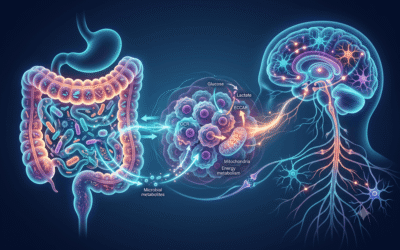
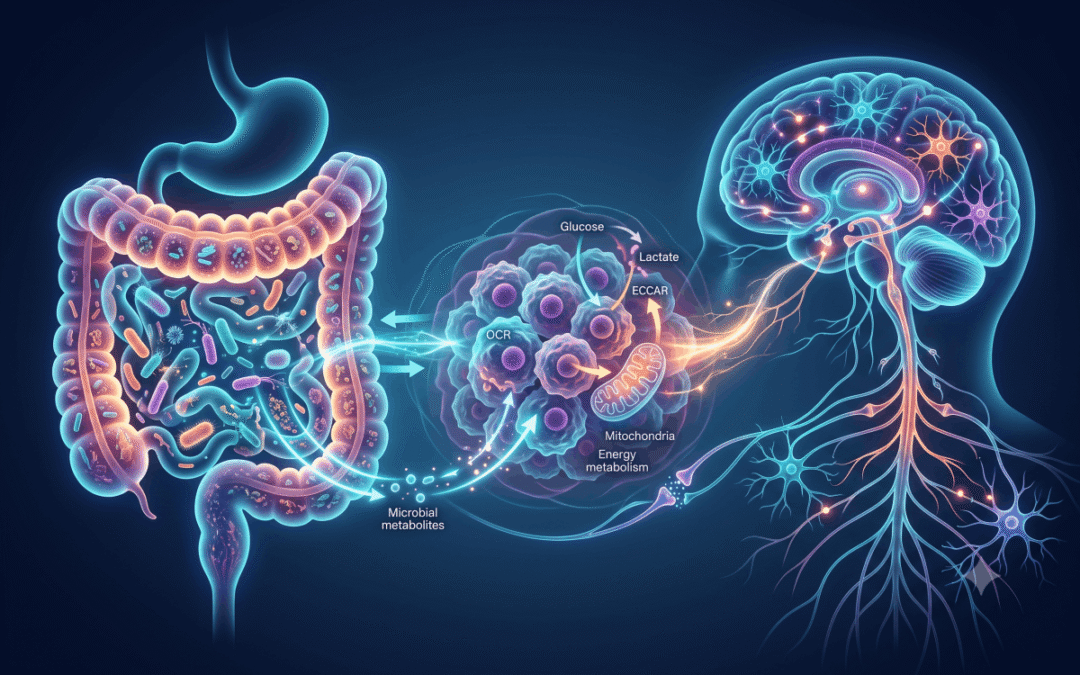
As we look toward an ageing global population, there is an estimated nine-year gap between life expectancy and healthy life expectancy. Disruption of the gut microbiota contributes to chronic inflammation and is associated with cardiovascular disease, cognitive decline, and mental health issues via the gut–brain axis. Through my background as a Fermented Foods Sommelier, I have developed a deep appreciation for nattō’s position within the global ecosystem of fermented foods. This role allowed me to develop a comprehensive understanding of the traditions and production methods of a wide range of fermented staples, from miso and sake to international products like yoghurt and cheese.
This broader perspective confirmed that nattō should not be viewed merely as a collection of isolated functional components, but rather as an integrated food matrix developed through long-standing fermentation practices. The vascular effects of nattokinase, the regulation of calcium metabolism by vitamin K2, and the modulation of the intestinal environment by Bacillus subtilis var. natto act in a complementary manner. These functions are most effective when consumed as part of the complex food structure created through the interaction of soybeans and fermentation, rather than as isolated compounds.
Physiologically, the gut, vascular system, and other organ systems are highly interconnected. From this perspective, nattō may be considered a functional food that supports multiple biological systems simultaneously. The synergy between these components offers a multi-system approach to health that has the potential to contribute significantly to the extension of healthy life expectancy.
By delivering these benefits in a stable, additive-free form, we aim to provide useful insights for both nutritional science and clinical practice, helping to bridge the health gap and support the maintenance of functional independence for years to come.
About Emi Hidaka
Emi Hidaka is the founder and visionary behind sonomono, Inc., a Japanese health-tech company dedicated to the science of fermented foods. After a successful career in advertising, where she witnessed the limitations of synthetic supplements, Emi transitioned into the world of biotechnology and traditional nutrition. She is a certified Fermented Foods Sommelier, a qualification that allows her to balance artisanal fermentation methods with modern safety standards.
Under her leadership, sonomono collaborates with researchers and master artisans to transform traditional Japanese ingredients into scientifically-backed solutions for global gut and cardiovascular health. Emi is a passionate advocate for health span extension and lives by the philosophy that true wellness begins with simplicity, transparency, and a healthy gut.