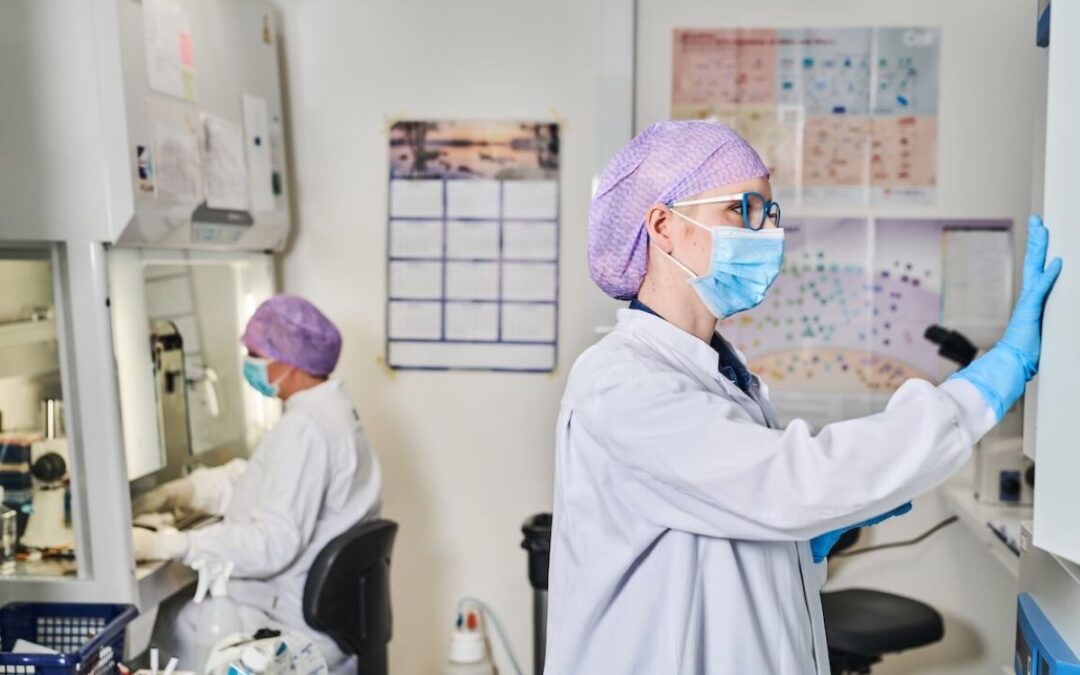

In the high-stakes world of drug discovery and biomanufacturing, the spotlight typically shines on breakthrough modalities, venture rounds, and FDA milestones. Yet, behind every clinical success is a physical environment that either accelerated the science or quietly throttled it. For life science companies, the facility is not just a line item but a sophisticated piece of equipment that must function with the same precision as a mass spectrometer or a bioreactor.
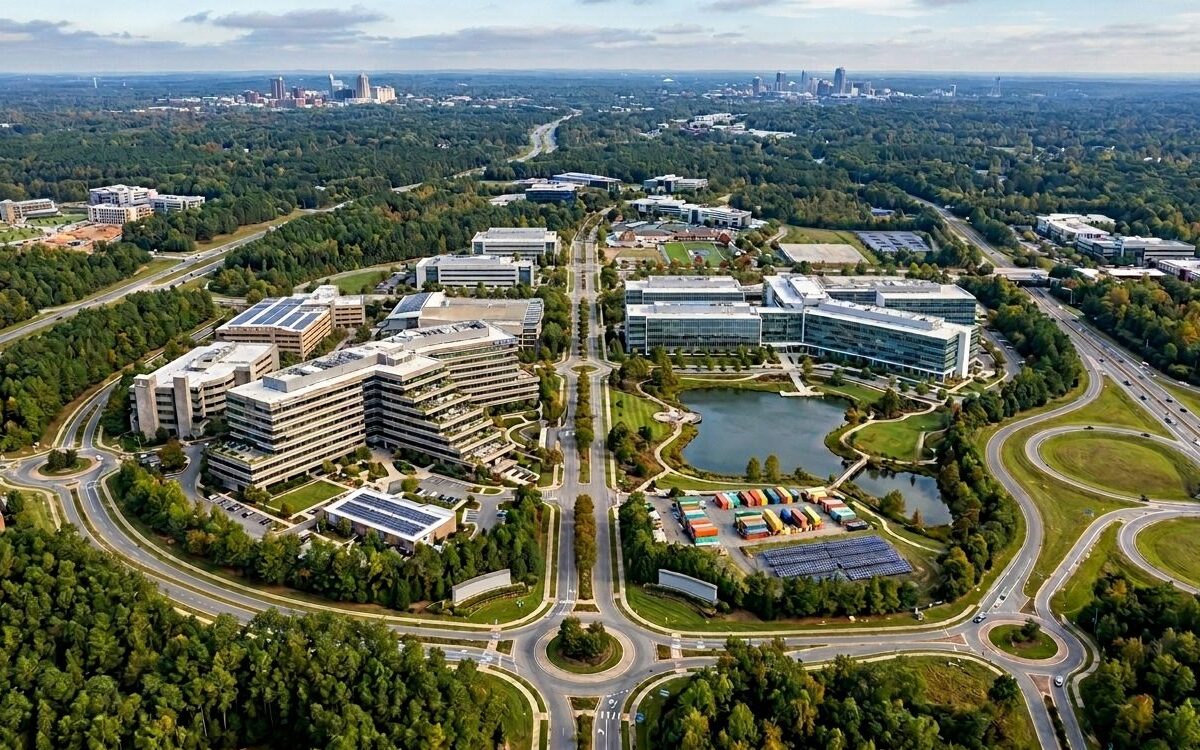
In maturing hubs like the Research Triangle Park (RTP), the margin for error in facility strategy has narrowed. As the region evolves from a traditional R&D stronghold into a global powerhouse for GMP manufacturing, the complexity of bringing a facility online has reached an all-time high. Whether building a nimble R&D lab in Durham or a massive biomanufacturing plant in Holly Springs, the physical shell acts as a silent partner in programs’ speed-to-market.
The Silent Bottleneck
Too often, promising programs stall because of “infrastructure friction.” When a facility lacks the necessary power density for specialized automation, or when vibration tolerances interfere with high-resolution imaging, the science suffers. These are not just inconveniences; they are “silent bottlenecks” that consume capital and time.
Conversely, a well-executed space strategy acts as a runway multiplier. By anticipating technical requirements years in advance, companies can direct more of their Series B or C funding toward the mission rather than mid-construction change orders. In the Research Triangle, where projects like the FUJIFILM Diosynth Biotechnologies expansion or the Amgen facility have set new benchmarks for scale, integrating brokerage, development, and construction expertise is a prerequisite for viability.
Top 5 Considerations for Life Science Facilities
For leadership teams navigating the transition from bench to bedside, these five technical and strategic pillars should anchor every facility decision.
1. Technical “Future-Proofing” (Power, Height, and Vibration)
The requirements for a discovery lab are vastly different from those of a GMP manufacturing floor. However, the most successful facilities are those built with the flexibility to pivot.
- Clear Heights: For companies eyeing large-scale bioreactors, a standard 14-foot deck-to-deck height is often insufficient. Aiming for 16 to 18 feet allows for the complex HVAC ductwork and piping required to maintain sterile environments.
- Power Density: Modern labs are becoming increasingly data-heavy and automated. High-performance computing and specialized cold storage require power loads that far exceed standard commercial office shells.
- Vibration Mitigation: In the R&D phase, sensitive microscopy and analytical tools require stringent Vibration Criterion (VC) curves. Assessing the structural slab-on-grade capacity during the site selection phase prevents costly retrofits later.
2. The Integrated Cleanroom and Waste Strategy
In the life sciences, what goes into the building is just as important as what comes out. GMP manufacturing demands rigorous HEPA filtration and BSL (Biosafety Level) ratings. Within the RTP ecosystem, we are seeing a shift toward modular cleanroom designs that enable companies to scale production “cells” without a full facility shutdown.
Simultaneously, a robust waste-handling strategy for both hazardous chemical waste and biohazardous materials must be baked into the site plan. Proximity to centralized loading docks and the specialized plumbing for neutralized glass-lined piping are infrastructure must-haves that are difficult to “bolt on” after the fact.
3. Strategic Location and the Talent Ecosystem
A facility does not exist in a vacuum. It exists in a talent market. In the Research Triangle, the “clustering effect” around the Durham Innovation District and Raleigh’s Centennial Campus provides immediate access to a Tier-1 workforce from Duke, UNC, and NC State.
Companies must weigh the cost-benefits of “greenfield” development (building from scratch in high-growth areas like Clayton or Sanford) versus “adaptive reuse” in established urban cores. While greenfield offers a blank slate for massive biomanufacturing, adaptive reuse can significantly shorten the timeline for R&D labs if the building’s “bones”(specifically its column spacing and floor loads) are compatible.
4. Lease Structures That Flex with Clinical Milestones
Traditional real estate leases are rigid, but life science programs are fluid. A “successful” space strategy includes a lease structure that accounts for clinical trial outcomes. This might include:
- Expansion Options: Securing “Right of First Refusal” (ROFR) on adjacent space to accommodate a sudden Phase II success.
- TI Allowances: Given the extreme cost of life science build-outs (often 3x to 5x that of standard office space), negotiating Tenant Improvement (TI) allowances is critical to preserving a company’s cash position.
5. Speed-to-Market through “Early Engagement”
The greatest risk to a life science project is the “silo effect,” where the broker, the developer, and the construction manager work in isolation. To compete with global projects similar to the recent biomanufacturing pushes in Denmark or Seattle, local firms are increasingly using Integrated Project Delivery models.
By involving construction managers during the site selection phase, companies can identify “deal-breaker” infrastructure gaps before the lease is signed. In a region where public-private partnerships and rapid permitting in projects (like the North Carolina Renewable Ocean Energy Program) are common, having an expert team that understands local municipal requirements is a massive competitive advantage.
The Bottom Line
Facility decisions are rarely reversible and often underestimated. In a sector where time and capital are the scarcest resources, getting the physical environment right is not a supporting consideration. It is a competitive one.
The life sciences sector has become adept at managing scientific risk. The next frontier is managing infrastructure risk with the same discipline. The goal is simple: ensure that the physical space never becomes the reason that the science has to wait. As regional hubs like the Research Triangle mature, the companies that scale most efficiently will likely be those that stopped treating their facilities as a backdrop and started treating them as a strategic variable.
Author Bio: David Fleming and Sam Cronin are the founding partners of Innovation Commercial, based in the Research Triangle. They have worked across R&D and GMP facility delivery in major US biotech hubs.