
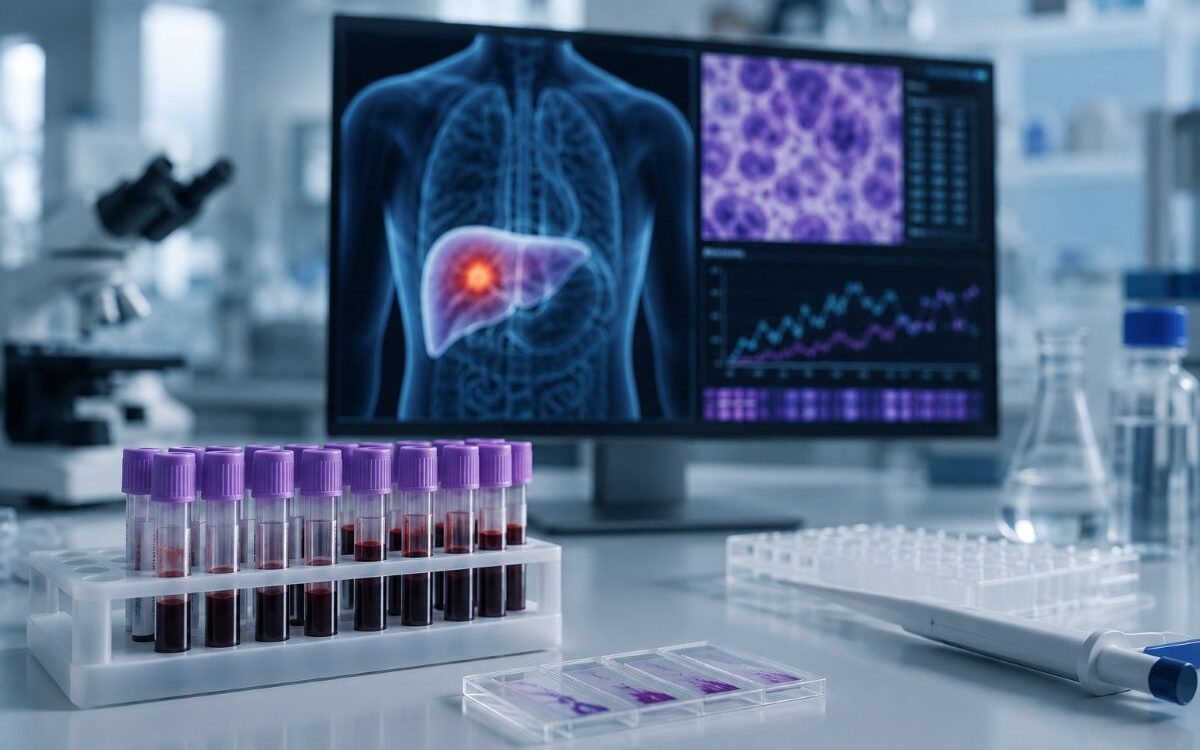
We have made real progress against cancer through better therapies, stronger treatments, and more precise diagnostics. Yet liver cancer, one of the fastest-rising causes of cancer-related death in the United States, remains a painful reminder that innovation does not automatically translate into better outcomes1. Most patients are still diagnosed at a stage when curative options are limited or no longer possible.
This is not a failure of science. It is a failure of the system meant to connect scientific progress to the patients who need it most. If we want to improve cancer outcomes at scale, we also need to confront the gap between innovation in diagnostics and the real-world barriers that prevent patients from benefiting from it.
The Disconnect Between Innovation and Access
Liver cancer, or hepatocellular carcinoma (HCC), presents one of the starkest examples of this gap. Clinical guidelines from the American Association for the Study of Liver Diseases have long recommended that high-risk patients, including those with excessive alcohol use, obesity, cirrhosis or chronic hepatitis B or C, undergo surveillance every six months2. The at-risk population is well-defined, the screening interval is clear, and the evidence supporting early detection is compelling: when liver cancer is found early, five-year survival can reach 70 percent3. When it is caught late, that number collapses to single digits.
Yet research consistently shows that 80 to 90 percent of eligible patients do not get screened at the recommended intervals4. That represents hundreds of thousands of people who are known to be at risk, often already in the healthcare system, and are still not being screened as guidelines intend.
According to the American Cancer Society, liver cancer incidence in the United States has tripled since 1980, and mortality has more than doubled5. The disease disproportionately affects populations that already face significant barriers to care, including Asian Americans, Hispanic Americans, and Native Americans, as well as patients in rural and underserved communities where specialist access is limited. The burden is real, rising, and not being matched by comparable improvements in early detection.
Why Current Surveillance Models Are Falling Short
The standard of care for liver cancer surveillance relies primarily on abdominal ultrasound, often combined with a blood test measuring alpha-fetoprotein, or AFP. This approach has been in place for decades, and remains a cornerstone of clinical practice, but it carries significant real-world limitations.
Ultrasound is highly operator-dependent, and its sensitivity for early-stage liver cancer is lower than many clinicians appreciate, particularly in patients with obesity or advanced liver disease, precisely the populations at greatest risk. A large meta-analysis published in Gastroenterology found that ultrasound alone detected only about 47 percent of liver cancers at an early stage, dropping to 29 percent in patients with obesity-related liver disease6. In other words, even when patients complete recommended surveillance, the tools being used may not catch disease early enough to change the outcome.
Beyond sensitivity, the operational burden of ultrasound-based surveillance contributes directly to low adherence. Patients must schedule imaging appointments, often at specialist facilities that may not be close to home. They may need transportation, time off work, or insurance pre-authorization. For a patient managing cirrhosis alongside other chronic conditions, completing a surveillance ultrasound every six months requires a level of coordination the healthcare system often does not support.
A multicenter cohort study examining barriers to HCC surveillance found that infrastructure and access barriers at both the patient and provider level were among the most significant drivers of non-adherence, reinforcing that this is a systems problem, not simply a patient behavior problem7. The result is a screening program that is sound in principle but inconsistent in practice, failing high-risk patients not due to a lack of medical knowledge, but the infrastructure built to apply it.
The Case for Blood-Based Testing
The case for blood-based diagnostics in cancer surveillance is not just technological, it is about expanding access to care. A blood draw can happen during a routine primary care visit. It does not require a specialist, a dedicated imaging suite, or significant patient time and coordination. It can be ordered by a hepatologist, gastroenterologist, or primary care physician and processed through an established national laboratory network.
One example of this shift is HelioLiver, the blood-based test developed by Helio Genomics for early detection of hepatocellular carcinoma in high-risk individuals. Findings from the prospective CLiMB trial, published in the Journal of Hepatology, showed that HelioLiver detected more early stage liver cancers than ultrasound alone, adding to a growing body of evidence supporting the role of blood based approaches in HCC surveillance. The CLiMB trial is a large scale prospective, blinded, multicenter U.S. study for HCC screening, enrolling nearly 2,000 patients across approximately 42 clinical sites.
The broader trend toward blood-based diagnostics is gaining momentum across oncology, driven by growing evidence that liquid biopsy approaches can detect clinically significant conditions from a single blood sample with high accuracy. These are not theoretical advances. They are peer-reviewed, clinically grounded signals that blood-based surveillance is moving from promise to practice.
The Growing Role of AI and Multi-Analyte Diagnostics
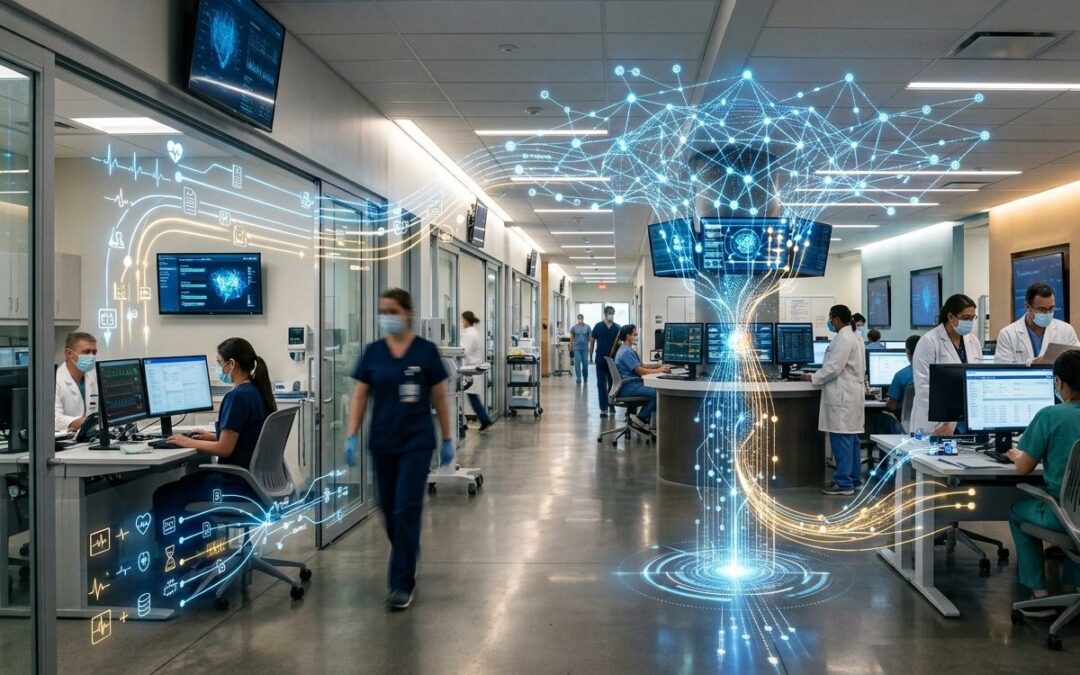
What distinguishes the current generation of blood-based diagnostics from earlier biomarker approaches is the integration of multiple data inputs analyzed through machine learning. Single-biomarker tests, including AFP, have well-documented limitations in sensitivity and specificity9. The next generation of tools, such as HelioLiver, uses cfDNA methylation patterns, protein biomarkers, and patient demographic data within AI algorithms to identify disease signals that no single biomarker could reliably detect on its own.
This multi-analyte approach is gaining traction across oncology as advances in genomics and artificial intelligence enable more comprehensive assessments of disease. The pattern is consistent: disease-specific, high-risk-population approaches built on multi-analyte platforms are outperforming the single-biomarker methods they are designed to complement or replace.
The role of AI in this context is not to replace the clinician. It is to process the volume and complexity of biological data that no individual provider could integrate in real time, and to surface actionable insights that support faster, more confident clinical decision-making.
Access and Implementation Will Define the Next Era of Diagnostics
The most important conversation in diagnostics right now is not only about what tests can detect. It is also about how those tests reach the patients who need them, particularly in communities where healthcare infrastructure is thin and specialist access is limited.
Rural and underserved communities face a disproportionate burden of liver cancer risk, partly because of higher rates of chronic liver disease and partly because the surveillance infrastructure available in urban academic medical centers has not been replicated in the settings where many of these patients receive care10. Improving outcomes requires not only scientific advances, but healthcare delivery models that make early detection more accessible across rural settings.
Innovation Only Matters If Patients Benefit from It
The life sciences industry has made remarkable progress in developing tools that can detect cancer earlier, more accurately, and less invasively than was possible even a decade ago. But the hard truth is that a diagnostic innovation that does not reach the patient produces no clinical benefit, regardless of its sophistication.
Closing the gap between what is possible in cancer detection and what is actually happening for patients in high-risk populations requires focus on the barriers that have historically prevented screening programs from achieving their potential: access, workflow integration, provider education, and equitable infrastructure. Blood-based diagnostics, combined with AI-driven multi-analyte platforms and the partnerships needed to scale them, represent a meaningful opportunity to address those barriers.
The patients most at risk for liver cancer are often already known to their healthcare providers. The surveillance interval is already defined. What has been missing is a tool that fits into how care is actually delivered, and a deployment strategy that ensures it reaches the communities with the greatest need. That is the challenge this field is now positioned to solve.
Author Bio