
When I wrote previously for this publication about the gap between GLP-1 prescribing rates and the clinical conversation around lean muscle preservation, the argument centred on a simple premise: weight loss is not fat loss, and the clinical infrastructure around these medications had not yet caught up with that distinction. Since then, the volume of research addressing this gap has grown considerably, and some of the most significant developments are now worth returning to.
The original argument was that resistance exercise and adequate protein intake, while effective, represented the limits of what was currently available to patients and prescribers concerned about body composition during GLP-1 treatment. That is no longer entirely true.
A new category of muscle-preserving therapies, designed specifically to be used alongside GLP-1 receptor agonists, is now generating early clinical data, and the results are prompting a broader conversation about what the next generation of obesity treatment might look like.
A Brief Recap: Why This Matters
For readers encountering this topic for the first time, the underlying issue is worth restating briefly. GLP-1 receptor agonists such as semaglutide and tirzepatide produce substantial reductions in total body weight; in the order of 15 to 22 per cent in landmark trials, through appetite suppression and slowed gastric emptying.1,2 But total body weight is a composite measure. It includes fat mass, lean muscle, bone density, water and organ tissue, and the body does not lose these components proportionally during rapid weight loss. Body composition sub-analyses across the GLP-1 class have estimated that somewhere between 30 and 40 per cent of weight lost on GLP-1 therapy may come from fat-free mass, with the precise figure varying by drug, dose and individual. In the STEP 1 semaglutide substudy, for example, lean mass accounted for approximately 39 to 40 per cent of total weight loss.3 Skeletal muscle is metabolically active tissue, central to glucose disposal, insulin sensitivity and resting metabolic rate.
Its loss is not simply an aesthetic concern; it can leave a patient lighter but in a less favourable metabolic position than before treatment began, and it is a significant contributor to the weight regain that some patients experience once pharmacological appetite suppression is reduced.4 That was the landscape as it stood. What has changed is the emergence of a pharmacological response to this specific problem.
What the New Research Shows
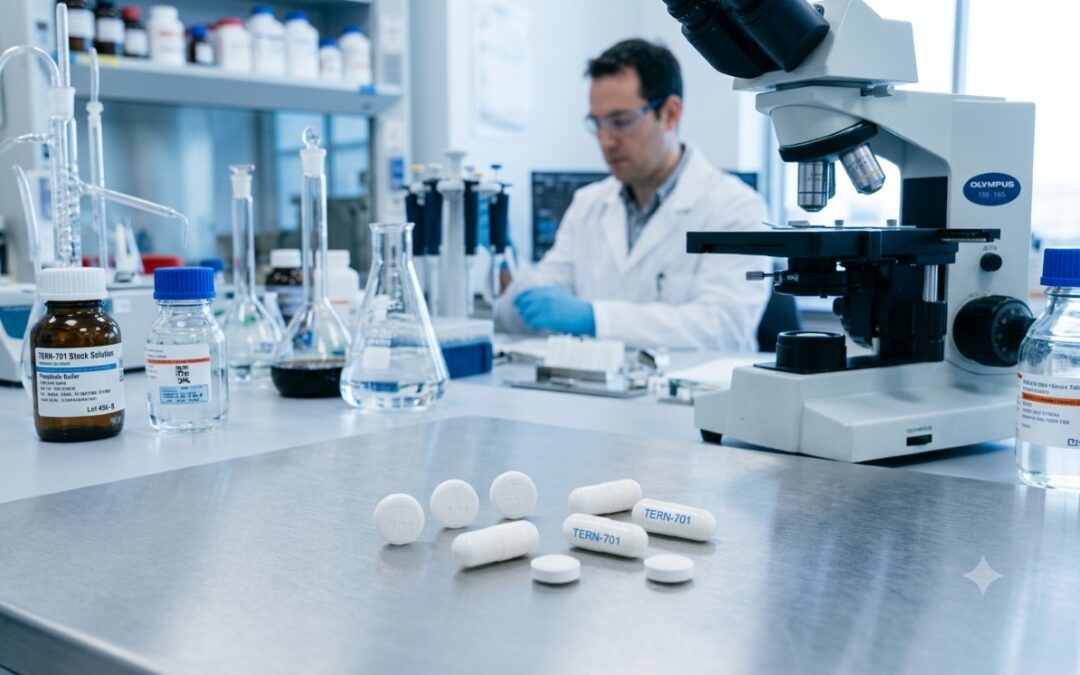
Published in Nature Medicine in June 2026, the phase 2 EMBRAZE trial examined the combination of tirzepatide and apitegromab, an investigational monoclonal antibody that selectively inhibits myostatin activation. Participants receiving tirzepatide alongside apitegromab retained significantly more lean mass than those receiving tirzepatide and placebo, while achieving broadly comparable overall reductions in body weight. Researchers reported 54.9 per cent greater preservation of lean mass in the combination group, with an additional 1.9 kilograms of lean mass retained; a statistically significant finding (P = 0.001).5
The mechanism here is distinct from GLP-1 receptor agonism itself. Rather than acting on appetite or gastric emptying, apitegromab works by inhibiting myostatin activation; a pathway that regulates the balance between muscle growth and muscle breakdown. In effect, where a GLP-1 medication addresses the appetite and metabolic signalling side of the equation, apitegromab appears to address the musculoskeletal side directly, and the early data suggests the two mechanisms may complement each other more effectively than either does alone.
54.9%
The lean mass preserved additionally in participants receiving apitegromab alongside tirzepatide in the phase 2 EMBRAZE trial, compared with tirzepatide and placebo, while achieving similar overall weight loss.
Source: Pratley RE et al.
Nat Med. 2026. doi: 10.1038/s41591-026-04440-4
It is important, as I was at pains to emphasise in relation to the existing evidence base for GLP-1s themselves, not to overstate what phase 2 data of this kind can tell us. The EMBRAZE trial enrolled 102 participants over 24 weeks; a meaningful result, but one that will require replication in larger, longer trials before combination therapy of this kind becomes a standard clinical option. Questions around long-term safety, optimal dosing, patient selection, and how such combinations might eventually be sequenced into routine prescribing remain open.5 But the direction of travel is unmistakable, and it represents a meaningful shift from where the conversation stood even twelve months ago.
“The success of modern obesity treatment should not be measured solely by the number on the scales. As our understanding of weight management evolves, there is increasing recognition that preserving muscle, strength and metabolic health is equally important. Future approaches are likely to become more personalised, combining medication with nutrition, physical activity and, potentially, targeted therapies designed to optimise body composition.” Omar El-Gohary, Superintendent Pharmacist, iQ Doctor
Why This Matters Most for Patients Already at Risk
The implications of this research are not evenly distributed across the patient population. For older adults in particular, the stakes around muscle preservation during weight loss are considerably higher. Sarcopenia; the progressive loss of muscle mass and strength associated with ageing, is already a recognised driver of frailty, falls risk and loss of independence in older populations.6 For a patient in their sixties or seventies using a GLP-1 medication, accelerated lean mass loss during treatment does not occur in isolation; it intersects with a process that may already be underway, and one that is considerably harder to reverse once established than to prevent in the first place.
This is precisely the population for whom a combination approach; pairing a GLP-1 medication with a therapy specifically designed to protect lean tissue, could offer the most meaningful benefit. It also reinforces a point I raised previously: that the clinical conversation at the point of prescribing needs to account for the individual patient’s baseline muscle mass and age-related risk profile, not simply their weight and BMI.
The EMBRAZE trial’s placebo arm found that 30 per cent of total weight loss with tirzepatide alone came from lean mass, consistent with the 30 to 40 per cent range observed across the GLP-1 class more broadly.3,5 For an older patient already experiencing age-related muscle loss, that proportion is not incidental. It is clinically significant.
The Foundations Have Not Changed
None of this diminishes the importance of the strategies I discussed in the previous article. Resistance exercise remains the most effective non-pharmacological intervention for preserving lean mass during periods of caloric restriction, and a 2022 systematic review and meta-analysis published in Obesity Reviews confirmed that resistance training significantly attenuates lean mass loss during hypocaloric periods, with the most pronounced effects seen when combined with adequate protein intake.7
Clinical note
The protein guidance remains unchanged and, if anything, more relevant than ever: a target of 1.2 to 1.6 grams of protein per kilogram of body weight per day during active weight loss continues to be one of the most commonly under-met targets among GLP-1 patients, largely because appetite suppression makes reaching these targets without deliberate planning genuinely difficult.8 As emerging pharmacological options for muscle preservation move closer to clinical practice, they should be understood as additive to this foundation, not a substitute for it. A patient on a future combination therapy who is not meeting protein targets or engaging in resistance training is still leaving meaningful protection on the table.
Where This Leaves the Prescribing Conversation
The gap I described previously; between what the evidence supports and what patients typically receive as guidance at the point of prescribing, has not closed. If anything, it has become more consequential. As muscle preservation therapies move through later-phase trials, the prescribers writing GLP-1 prescriptions today will need to be equipped not only with the existing evidence base around resistance exercise and protein, but with an understanding of how these newer combination approaches may fit into the treatment pathway as they become available.
This is, again, a shared responsibility. It requires the research community to continue building the evidence base with the rigour this topic deserves. It requires prescribers and platforms operating in this space to keep pace with a field that is moving quickly, and to ensure that the structured guidance patients need, on exercise, protein, and now potentially on combination pharmacotherapy, is part of the conversation from the outset rather than something patients piece together themselves. And it requires patients to understand that the goal of treatment is not simply a lower number, but a body that is healthier, stronger and more resilient at the end of the process than it was at the start.
A Shift Worth Watching
Further studies will be needed to establish the long-term safety, durability and optimal use of muscle-preserving therapies in combination with GLP-1 medications, and it is likely to be some years before such combinations, if approved, become part of routine clinical practice in the UK. But the trajectory is clear. Obesity medicine is moving from a single-axis view of success, weight loss, towards a more complete framework that includes physical function, metabolic quality and long-term quality of life.
When I asked, in the previous article, whether the clinical community would build the practice around the evidence, I did not anticipate quite how quickly the evidence itself would begin to expand. The EMBRAZE trial result is a meaningful step. The question now is whether the systems around prescribing, training and patient communication can keep pace
with it. For patients and clinicians alike, this may represent the next significant chapter in the evolution of obesity treatment.
Author Bio
Omar El-Gohary MPharm, IPresc, GPhC 2059792 is a UK-registered pharmacist, independent prescriber and Founder of iQ Doctor. As Superintendent Pharmacist, he oversees the clinical governance and safe delivery of healthcare services across the platform. Omar has a particular interest in preventative healthcare, obesity management, men’s health, metabolic health and digital healthcare innovation, and regularly contributes expert commentary on emerging healthcare trends and patient wellbeing.