Scientists have uncovered how plants produce mitraphylline, a rare natural compound with demonstrated anti cancer properties, shedding new light on the biological machinery behind one of nature’s most complex chemical products. By identifying the key enzymes involved in the biosynthesis of mitraphylline, researchers have opened the door to more efficient production methods and renewed interest in natural products as a powerful source of oncology innovation.
The discovery arrives at a moment when drug developers are reassessing long held assumptions about where breakthrough cancer medicines are most likely to emerge. After decades dominated by synthetic small molecules, monoclonal antibodies, and cell based therapies, attention is once again turning to natural compounds, particularly those that have evolved to interact with biological systems in highly specific ways.
A compound hidden in plain sight
Mitraphylline is an alkaloid found in certain tropical plants, most notably species traditionally used in herbal medicine. While its biological activity has been observed for years, including anti inflammatory and anti proliferative effects, its therapeutic potential has remained largely unexplored due to challenges in sourcing and synthesis.
Natural products such as mitraphylline are often present in plants at extremely low concentrations. Harvesting sufficient quantities for research or clinical development can be impractical, environmentally unsustainable, or both. Chemical synthesis is frequently difficult because of the structural complexity of these molecules, which can contain multiple chiral centres and intricate ring systems.
The recent research breakthrough changes that equation. By mapping the enzymatic steps plants use to assemble mitraphylline, scientists have provided a blueprint for reproducing the compound using biotechnology rather than agriculture. This approach has implications not only for mitraphylline itself, but for a wide range of plant derived molecules that have historically been considered too complex or costly to develop as drugs.
Understanding the biosynthetic pathway
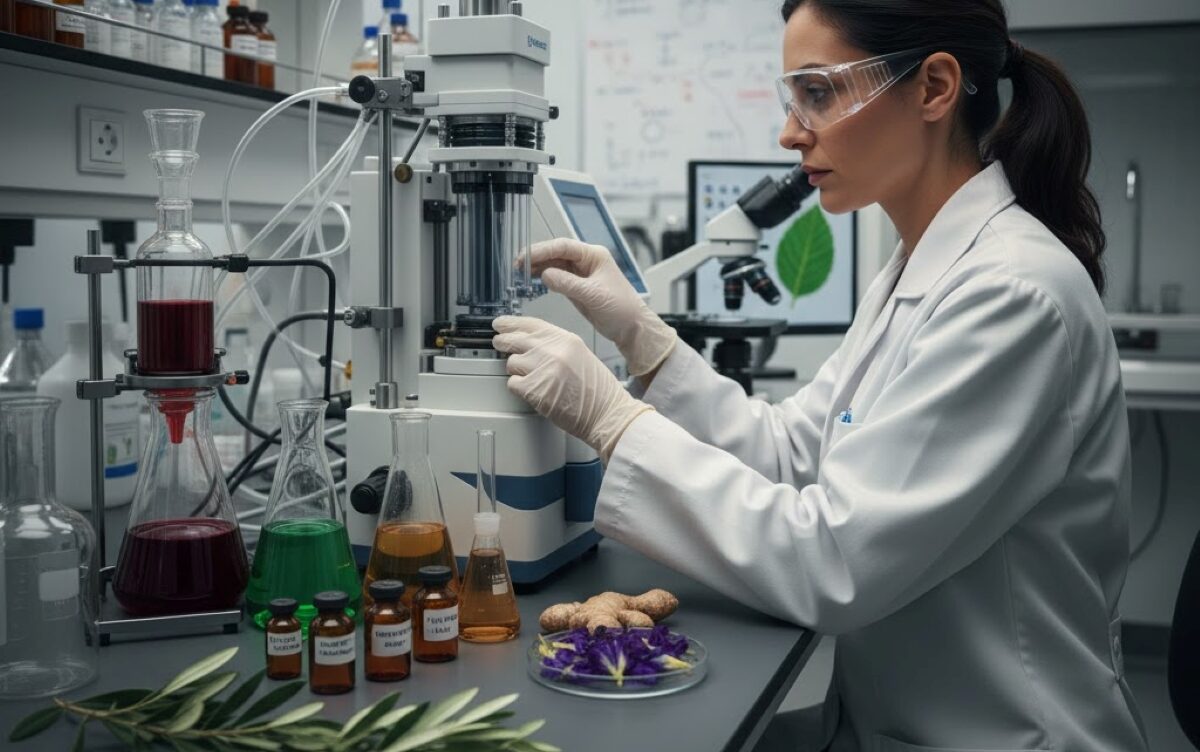
At the heart of the discovery is the identification of specific enzymes that catalyse each stage of mitraphylline production inside plant cells. Using a combination of genomics, transcriptomics, and biochemical analysis, researchers were able to trace how simple precursor molecules are transformed step by step into the final bioactive compound.
This level of mechanistic understanding is crucial. Once the enzymes are known, they can be expressed in microbial systems such as yeast or bacteria, enabling controlled production through fermentation. Alternatively, synthetic biology approaches can be used to optimise the pathway, increasing yield or generating modified versions of the molecule with improved drug like properties.
For the life sciences industry, this represents a shift from discovery by extraction to discovery by design. Natural products no longer need to be limited by their natural abundance. Instead, they can be treated as starting points for scalable, industrial drug development.
Why natural products are back in focus
Natural products have a long and influential history in cancer therapy. Many of the most successful chemotherapeutic agents, including paclitaxel, vincristine, and doxorubicin, originated from plants or microorganisms. These compounds often act through mechanisms that are difficult to replicate using purely synthetic chemistry.
Over time, however, pharmaceutical research moved away from natural products. High throughput screening of synthetic libraries promised speed and reproducibility, while biologics offered unprecedented target specificity. Natural compounds were often seen as slow, complex, and unpredictable.
That perception is changing. Advances in analytical chemistry, genome sequencing, and synthetic biology have dramatically lowered the barriers to working with complex natural molecules. Researchers can now identify promising compounds more quickly, understand their biosynthesis at the molecular level, and engineer production systems that meet modern manufacturing standards.
At the same time, there is growing recognition that many current oncology pipelines converge on similar targets and pathways. Natural products, shaped by millions of years of evolutionary pressure, frequently interact with biology in novel ways. This makes them attractive sources of first in class mechanisms at a time when differentiation is increasingly important.
Anti cancer potential of mitraphylline
Early laboratory studies suggest that mitraphylline can inhibit cancer cell proliferation and influence pathways involved in cell cycle regulation and apoptosis. While these findings remain preclinical, they have generated interest because of the compound’s apparent selectivity and multi pathway activity.
Researchers caution that significant work lies ahead before mitraphylline could become a therapeutic candidate. Key questions remain around its pharmacokinetics, safety profile, and efficacy across different cancer types. Nonetheless, the ability to produce the compound more reliably now makes it feasible to pursue those studies in a systematic way.
Importantly, the discovery also enables the exploration of related molecules. By modifying the biosynthetic pathway or introducing small chemical changes, scientists can generate libraries of mitraphylline analogues. This approach may yield compounds with improved potency, reduced toxicity, or enhanced bioavailability.
Convergence of disciplines in modern drug discovery
The mitraphylline breakthrough illustrates a broader trend in life sciences research: the convergence of biology, chemistry, and engineering. Modern natural product discovery no longer sits neatly within a single discipline. Instead, it requires integrated teams that can move seamlessly from gene identification to enzyme characterisation, metabolic engineering, and medicinal chemistry.
Biotech and pharmaceutical companies are increasingly building or acquiring these capabilities. Synthetic biology platforms are being used to mine plant and microbial genomes for cryptic biosynthetic pathways. Computational tools help predict enzyme function and guide pathway optimisation. Downstream, medicinal chemists refine natural scaffolds to meet clinical requirements.
This integrated approach reduces risk while expanding opportunity. Rather than betting on a single compound, companies can develop entire platforms centred on natural product families, creating pipelines that are both diverse and strategically coherent.
Implications for oncology research and beyond
While cancer is a primary focus, the implications of the mitraphylline discovery extend into other therapeutic areas. Natural products have shown activity across inflammation, infectious disease, metabolic disorders, and neurological conditions. Improved access to these molecules could unlock new treatment options in areas of high unmet need.
For oncology specifically, natural compounds may play an increasingly important role in combination strategies. Their multi target activity could complement highly specific biologics or targeted therapies, potentially overcoming resistance mechanisms that limit long term efficacy.
From an industry perspective, the resurgence of natural product research also aligns with broader trends toward sustainability and resilience. Producing complex molecules via fermentation rather than chemical synthesis can reduce environmental impact and improve supply chain stability, both of which are becoming strategic priorities.
Looking ahead
The decoding of mitraphylline biosynthesis marks an important milestone in the revival of natural products as a source of innovative cancer therapies. It demonstrates that the historical challenges associated with plant derived compounds are no longer insurmountable and that modern technology can unlock value from nature’s most intricate chemistry.
As more biosynthetic pathways are mapped and more natural compounds become accessible at scale, the line between natural and synthetic drug discovery will continue to blur. For researchers, developers, and investors, this convergence offers a compelling opportunity to revisit a rich and underexplored frontier of medicine.
Natural products once defined the early era of pharmacology. With tools now available to understand, reproduce, and refine them, they may also help define the next generation of cancer treatments.