Otsuka Gains Approval for First of Its Kind Treatment Against Rare Kidney Disease
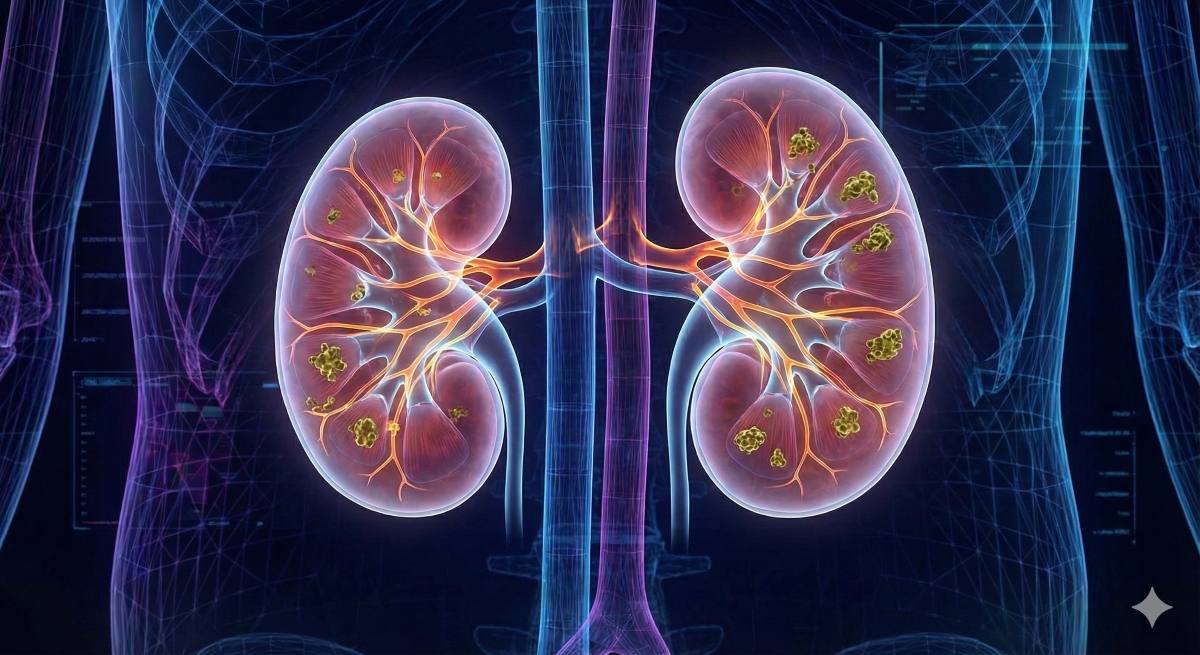
In a significant milestone for kidney disease care, Otsuka Pharmaceutical has received accelerated approval from the US Food and Drug Administration for a new therapy for Immunoglobulin A nephropathy, known as IgAN. This marks the first approval of a medicine specifically designed to target the underlying biology of this rare and progressive kidney condition. According to reporting from Reuters, this decision signals a major step forward for patients who have had limited treatment options for decades.
A New Therapy Designed for Disease Mechanisms
The newly approved therapy, Voyxact, also known as sibeprenlimab, is a humanized monoclonal antibody engineered to block APRIL, an immune system protein that plays a central role in driving the harmful IgA complexes that accumulate in the kidneys in IgAN. BioPharma Dive reports that this strategic targeting of APRIL represents a sophisticated new approach to treating the disease at its source, rather than managing symptoms alone.
Voyxact is administered once every four weeks as a subcutaneous injection, and can be taken at home through self administration or with support from a caregiver. This mode of delivery introduces a level of convenience that is especially valuable for people living with chronic kidney disease.
Evidence Supporting the FDA Decision
The FDA approval is grounded in results from the Phase 3 VISIONARY study, which demonstrated a meaningful reduction in proteinuria, a hallmark indicator of kidney damage and a predictor of long term disease progression. Interim results showed a more than 50 percent reduction in proteinuria among patients receiving sibeprenlimab, compared with an increase among those who received placebo. These findings were highlighted in Otsuka’s clinical announcements and reflect the strongest evidence to date that the therapy can interrupt the disease process.
More recent data from the twelve month analysis confirmed the sustained benefit. Patients again showed a reduction in urinary protein levels exceeding 50 percent, while the placebo group saw little improvement. Safety outcomes were consistent with expectations and showed no unexpected concerns.
Although the approval is based on proteinuria reduction as a surrogate endpoint, long term effects on kidney function are still being evaluated. The study’s final results, expected in 2026, will determine whether the therapy also slows decline in estimated glomerular filtration rate, which is the primary marker of kidney health.
Why the Approval Matters for IgAN Patients
IgA nephropathy is a chronic immune mediated kidney disease that often affects young adults and can progress to kidney failure. Current treatments focus on controlling blood pressure and managing symptoms, but many patients continue to face gradual decline in kidney function.
Voyxact represents a breakthrough because it intervenes directly in the immunological mechanism that causes IgAN. By reducing the production of harmful IgA complexes, the therapy has the potential to delay disease progression and improve long term outcomes. It also introduces a patient friendly treatment schedule that supports consistent and manageable care.
The Forward Path for Otsuka and the Industry
With accelerated approval now granted, Otsuka will focus on the completion of long term clinical assessments. The final data will determine whether the therapy becomes a cornerstone treatment for IgAN. Meanwhile, interest in targeting the APRIL pathway is growing rapidly. Several companies in the nephrology and immunology sectors are now pursuing similar biologic strategies, inspired by Otsuka’s successful development program. This trend was noted in detailed reporting from BioPharma Dive, which identified the approval as a turning point for next generation kidney disease therapeutics.
A New Chapter in Rare Kidney Disease Treatment
The approval of Voyxact marks a significant advance in rare disease nephrology and offers new hope to thousands of people living with IgA nephropathy. It reflects a broader shift toward precise, mechanism targeted therapies that can transform complex diseases at their source. As the final clinical data emerge, the impact of this treatment will come into sharper focus, potentially reshaping how rare kidney diseases are managed around the world.