

Latest News

Beyond the Benchmark: A Four-Layer Framework for Evaluating Healthcare AI
Healthcare AI is often evaluated where it is easiest to measure: on a dataset. Accuracy, sensitivity, specificity, calibration, retrieval quality, hallucination rates and task-completion scores all matter. But they answer only the first question: can the model perform...
Latest News

From Laboratory to Market: Risk Planning for Life Science Companies
The UK life sciences sector is entering an important phase of growth. The Government's Life Sciences Sector Plan sets an ambition for the UK to become the leading life sciences economy in Europe by 2030 and the third globally by 2035. It also reports that the sector...

Biopharma VC Funding in H1 2026: Megarounds Mask an Early-Stage Squeeze
Biopharma VC funding delivered its strongest opening half in four years. Yet the headline figure hides a widening split. Mature, de-risked companies are attracting capital, while the seed-stage startups that supply the sector’s long-term pipeline are not. Data...

Organ Digital Twins: Inside Imperial College London’s Research
Organ digital twins have moved from mathematical curiosity to funded national priority. Imperial College London now sits close to the centre of that shift. Researchers there have built more than 3,800 anatomically accurate virtual hearts. They have also begun an NHS...

Glass Slides to AI: Digital Pathology Can Transform Cancer Care in the NHS
Every year, millions of pathology slides are produced in the UK, most still examined manually under a microscope. This century-old process, though reliable, is no longer fit for purpose. Pathology departments face mounting workforce pressures, with 78% pathologists...
Join The Future Of Life Sciences Media
In a world overflowing with information, LifeScienceDaily.news stands apart as the dedicated space where life sciences professionals share what’s new, what’s next, and why it matters — all in real time.
Don’t wait for the media to pick up your story. Be the media.
Trending





More News

The False Economy of Returning to Manual PGD Processes
Across healthcare, financial pressure is forcing difficult decisions. Pharmacy teams are being asked to do more with less. Service expansion, dealing with NHS patients, workforce shortages remain acute, and every investment is being scrutinised. In this environment,...

Funding Pressures Push Researchers to Rethink Traditional Models
Australia's medical researchers have been handed a blunt new brief to simply do more with less. The newly published 10-year National Health and Medical Research Strategy from the Australian Government Department of Health, Disability and Ageing names a problem the...

IgA Nephropathy Drug Pipeline Reaches Six Approvals in Five Years
IgA nephropathy, the most common primary glomerulonephritis worldwide, has undergone a remarkable transformation in its treatment landscape. Once managed solely with supportive care and immunosuppression of uncertain benefit, the IgA nephropathy drug pipeline now...

Compliant on Paper, Exposed in Practice
A pharmaceutical manufacturer completes a technology transfer. The validation protocols have been approved. Training records are complete, documentation has been reviewed, and every required signature has been collected. The project passes its milestones and moves...

The One Leadership Skill That Turns the Ordinary Into the Extraordinary
As healthcare and life sciences organizations confront workforce shortages, regulatory pressures, rapid technological change, and increasing operational complexity, building a pipeline of extraordinary leaders has never been more important. Many of these organizations...
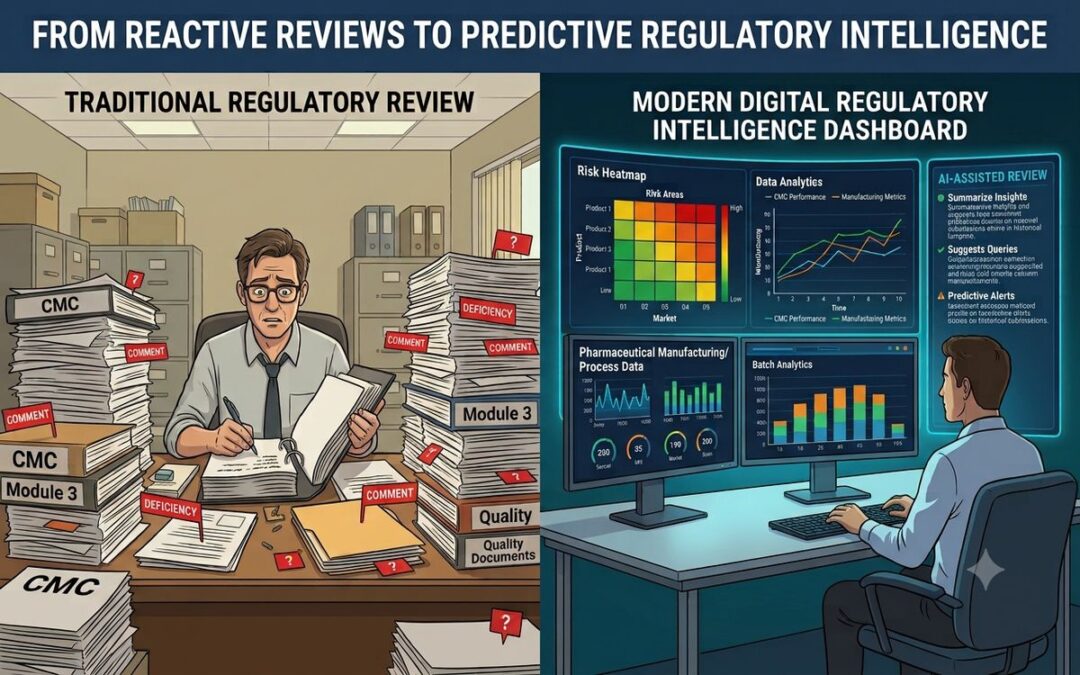
From Reactive Reviews to Predictive Regulatory Intelligence
Every regulatory professional has experienced the same moment. After months, and sometimes years, of preparing a Chemistry, Manufacturing, and Controls (CMC) submission, the application is finally submitted to a health authority. At that point, the questions begin....

The Patient as Healthcare’s Systems Integrator
Healthcare has undergone a remarkable digital transformation over the past two decades. Electronic health records, electronic prescribing, patient portals, telemedicine, artificial intelligence, and remote monitoring have fundamentally changed how healthcare is...

Why AI in Life Sciences Lives or Dies on its Data Foundations
AI has moved quickly in the life sciences making exciting breakthroughs and reframing how we think about healthcare. But beneath these breakthroughs, work is happening in places that rarely make headlines, data catalogues, validation plans, audit trails, integration...

Healthcare’s Claim-Denial Crisis Is an Administrative Epidemic
Healthcare has a second epidemic running alongside every clinical one, and it doesn't show up on a chart. It shows up in a fax queue. A claim gets denied, and somewhere in a hospital's business office, a trained professional begins a process that looks less like...
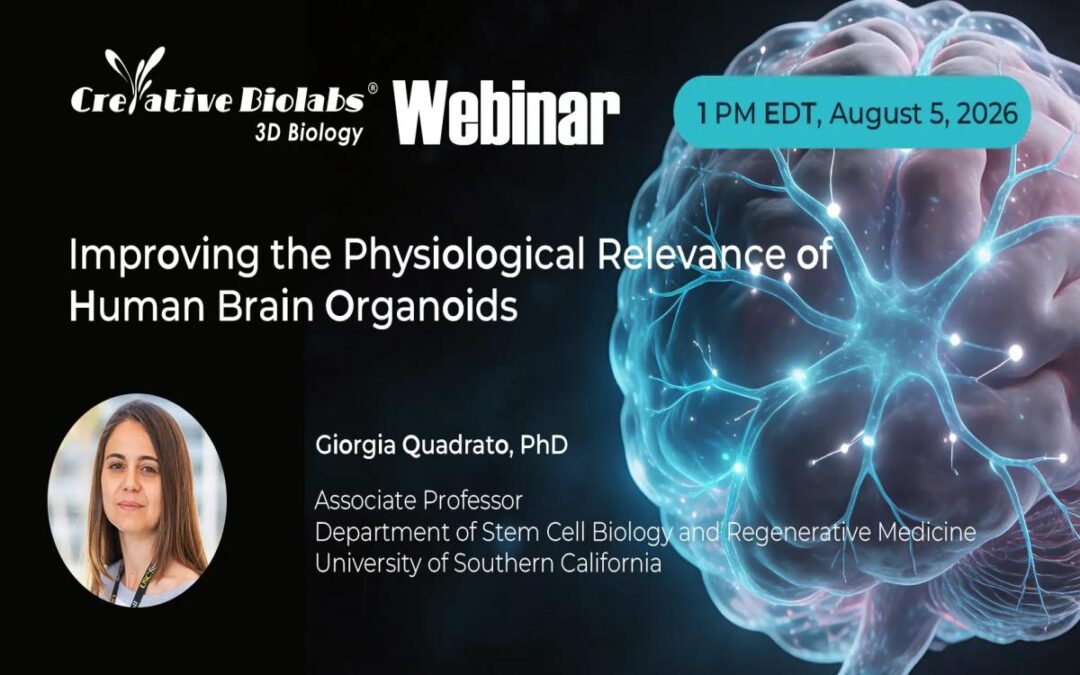
Next-Gen 3D Models: A Webinar on Elevating Brain Organoid Fidelity
Human brain organoids have fundamentally shifted the paradigm of neurological research. By transforming human pluripotent stem cells (hPSCs) into self-organizing, three-dimensional tissues, these models provide an unprecedented window into the distinct spatial...
Weekly News Roundup | 20 July 2026
Life science news 20 July 2026: the FDA approves the first oral PCSK9 inhibitor for high cholesterol, Eli Lilly makes the largest psychedelics deal in Big Pharma history, and a first-in-class breast cancer therapy wins regulatory clearance in a landmark week for...

The NewCo Model: How Big Pharma Spins Out Pipeline Assets
The NewCo model biopharma strategy has rapidly become one of the most consequential dealmaking trends in the life sciences industry. Rather than shelving deprioritised pipeline assets or selling them outright through traditional licensing agreements, major...
The False Economy of Returning to Manual PGD Processes
Across healthcare, financial pressure is forcing difficult decisions. Pharmacy teams are being asked to do more with less. Service expansion, dealing with NHS patients, workforce shortages remain acute, and every investment is being scrutinised. In this environment,...
Funding Pressures Push Researchers to Rethink Traditional Models
Australia's medical researchers have been handed a blunt new brief to simply do more with less. The newly published 10-year National Health and Medical Research Strategy from the Australian Government Department of Health, Disability and Ageing names a problem the...
IgA Nephropathy Drug Pipeline Reaches Six Approvals in Five Years
IgA nephropathy, the most common primary glomerulonephritis worldwide, has undergone a remarkable transformation in its treatment landscape. Once managed solely with supportive care and immunosuppression of uncertain benefit, the IgA nephropathy drug pipeline now...
Compliant on Paper, Exposed in Practice
A pharmaceutical manufacturer completes a technology transfer. The validation protocols have been approved. Training records are complete, documentation has been reviewed, and every required signature has been collected. The project passes its milestones and moves...
The One Leadership Skill That Turns the Ordinary Into the Extraordinary
As healthcare and life sciences organizations confront workforce shortages, regulatory pressures, rapid technological change, and increasing operational complexity, building a pipeline of extraordinary leaders has never been more important. Many of these organizations...
From Reactive Reviews to Predictive Regulatory Intelligence
Every regulatory professional has experienced the same moment. After months, and sometimes years, of preparing a Chemistry, Manufacturing, and Controls (CMC) submission, the application is finally submitted to a health authority. At that point, the questions begin....
The Patient as Healthcare’s Systems Integrator
Healthcare has undergone a remarkable digital transformation over the past two decades. Electronic health records, electronic prescribing, patient portals, telemedicine, artificial intelligence, and remote monitoring have fundamentally changed how healthcare is...
Why AI in Life Sciences Lives or Dies on its Data Foundations
AI has moved quickly in the life sciences making exciting breakthroughs and reframing how we think about healthcare. But beneath these breakthroughs, work is happening in places that rarely make headlines, data catalogues, validation plans, audit trails, integration...
Healthcare’s Claim-Denial Crisis Is an Administrative Epidemic
Healthcare has a second epidemic running alongside every clinical one, and it doesn't show up on a chart. It shows up in a fax queue. A claim gets denied, and somewhere in a hospital's business office, a trained professional begins a process that looks less like...
Next-Gen 3D Models: A Webinar on Elevating Brain Organoid Fidelity
Human brain organoids have fundamentally shifted the paradigm of neurological research. By transforming human pluripotent stem cells (hPSCs) into self-organizing, three-dimensional tissues, these models provide an unprecedented window into the distinct spatial...
Weekly News Roundup | 20 July 2026
Life science news 20 July 2026: the FDA approves the first oral PCSK9 inhibitor for high cholesterol, Eli Lilly makes the largest psychedelics deal in Big Pharma history, and a first-in-class breast cancer therapy wins regulatory clearance in a landmark week for...
The NewCo Model: How Big Pharma Spins Out Pipeline Assets
The NewCo model biopharma strategy has rapidly become one of the most consequential dealmaking trends in the life sciences industry. Rather than shelving deprioritised pipeline assets or selling them outright through traditional licensing agreements, major...
Featured Articles

Further News

Diranersen: First Tau Drug to Show Cognitive Benefit in Alzheimer’s
The first Phase 2 clinical evidence that a tau Alzheimer's drug can simultaneously reduce brain tangles and slow cognitive decline was presented at the Alzheimer's Association International Conference (AAIC) 2026 in London on 14 July. Biogen's diranersen, an antisense...
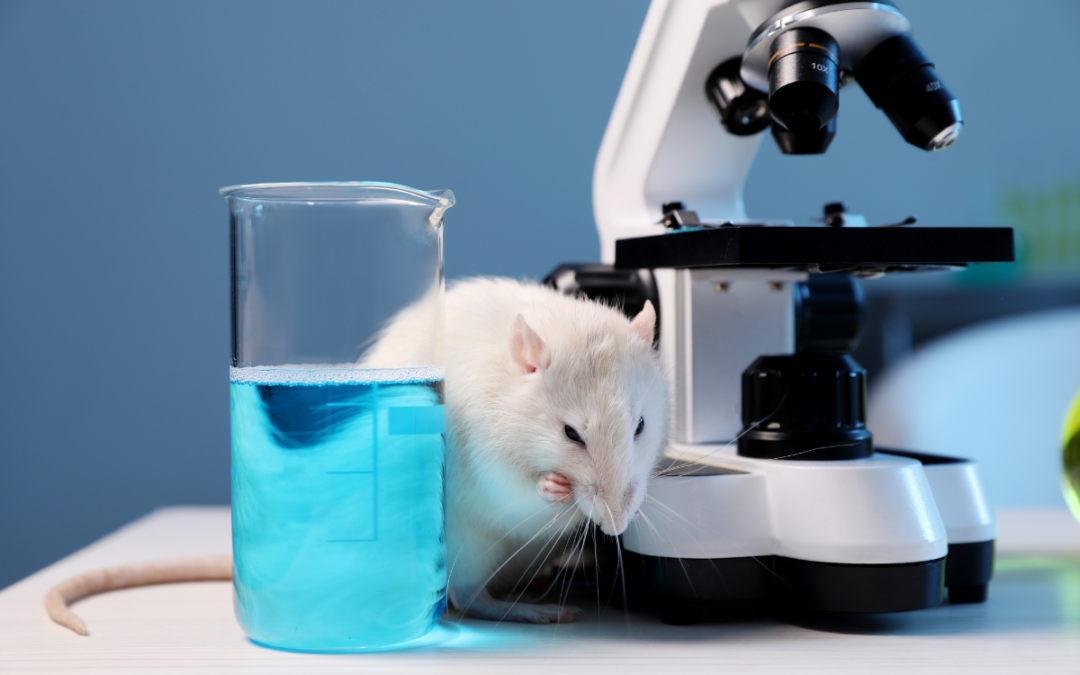
NAMs and Animal Testing: Separating Progress From Hype
If you followed the headlines over the past two years, you could be forgiven for thinking animal testing in drug development is already on its way out. In December 2022, the FDA Modernization Act 2.0 removed the blanket legal requirement for animal studies to support...
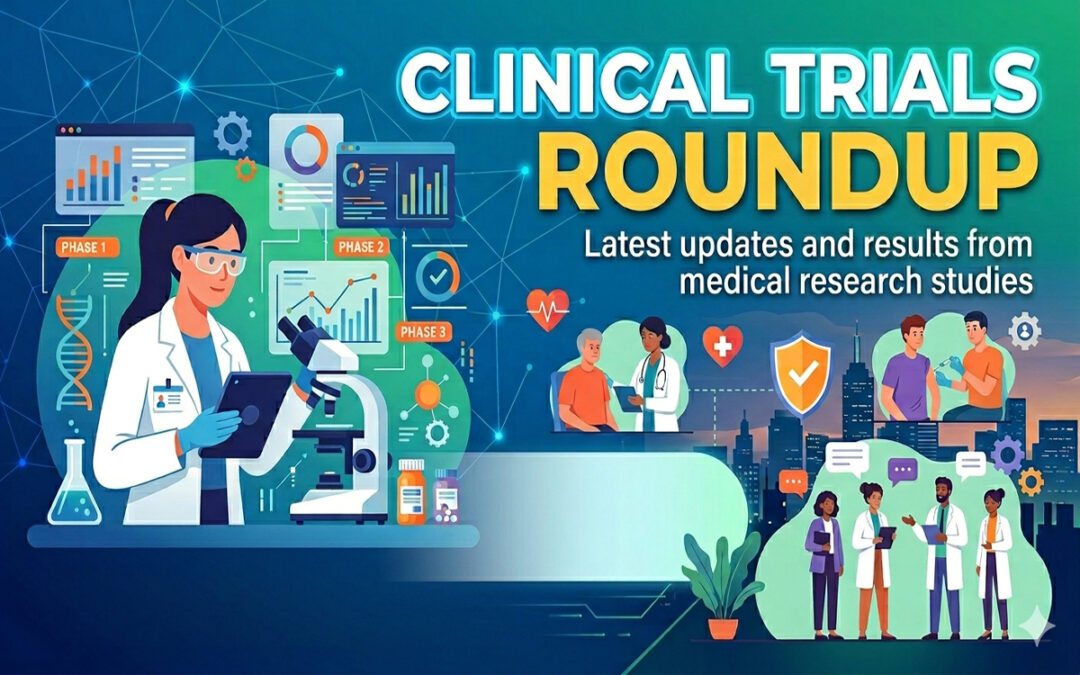
Clinical Trials Roundup | 17 July 2026
Celcuity's gedatolisib receives FDA approval as the first pan-PI3K and mTOR inhibitor for advanced breast cancer, Biogen's diranersen delivers detailed Phase 2 CELIA data showing tau reduction and cognitive benefit in early Alzheimer's disease, Novo Nordisk's...

Biopharma H1 2026 Review: Deals, Drugs, and Pipeline Shifts
The first half of 2026 delivered one of the most consequential periods in recent biopharma history, reshaping competitive landscapes through record dealmaking, landmark regulatory approvals, and pivotal clinical breakthroughs. This biopharma H1 2026 review examines...

AI Can Do More Than Summarize Medicine—It Can Help Generate Evidence
Our healthcare system has built a rigorous process for generating the evidence that clinicians, researchers and pharmaceutical companies rely on. Designing studies, conducting clinical trials, analyzing data, completing regulatory review and publishing results are all...

CagriSema FDA Review: Novo Nordisk NDA Timeline Explained
The CagriSema FDA review has become one of the most closely watched regulatory processes in metabolic medicine. Novo Nordisk filed a New Drug Application for its once-weekly obesity combination in December 2025, and a decision is widely expected in the final quarter...
Life Science Daily News: Eight Months of Growth and a Global Community Taking Shape
Life Science Daily News launched in November 2025 with a simple premise: that researchers, biotech founders, healthcare professionals, communications specialists and industry professionals should be able to publish their own work directly to a specialist audience,...
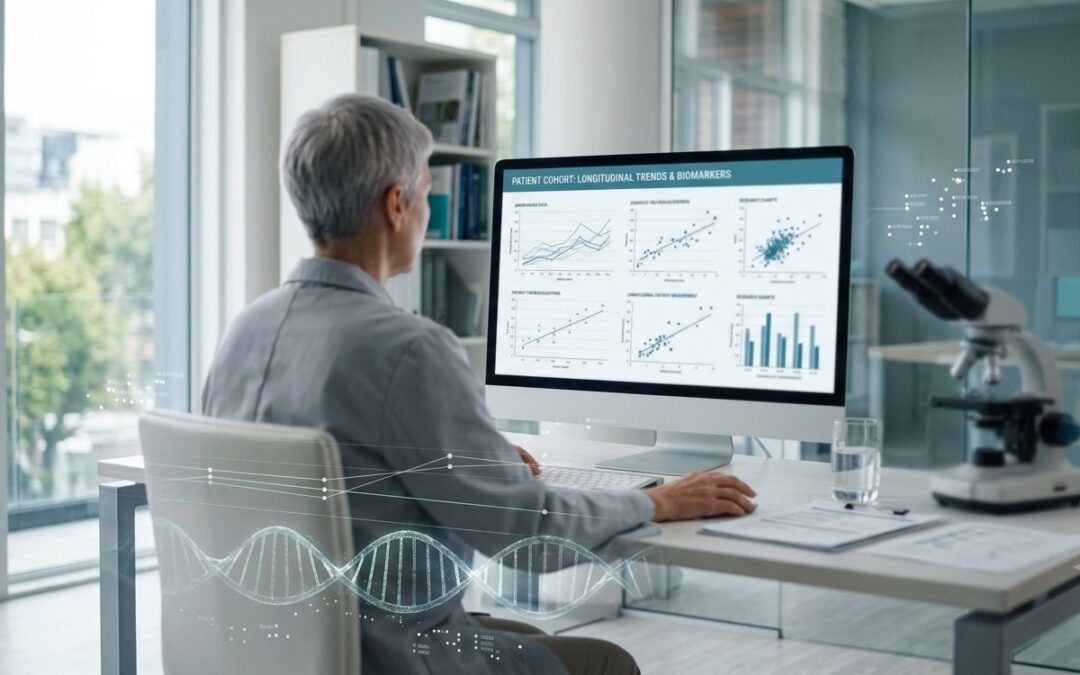
The Evidence Gap in Precision Prevention
Preventive medicine is entering a new era. Advances in genomics, biomarker testing, continuous monitoring technologies, imaging, and data analytics are enabling clinicians to identify disease risk with a level of precision that would have been unimaginable just a...

Are Animal Models Limiting Progress in Product Development?
While animal models have played a central role in safety assessment and biological research for decades, advances in cellular biology, computational modelling, and micro physiological systems are prompting scientists to explore new ways of generating human-relevant...

Daraxonrasib FDA Filing: What Happens Next for Pancreatic Cancer Patients?
The daraxonrasib FDA filing is nearing completion, marking a pivotal regulatory moment for patients with metastatic pancreatic ductal adenocarcinoma (PDAC). Revolution Medicines announced on 7 July 2026 that its rolling submission of a New Drug Application (NDA) to...

Digital Twin: The Future of Pharmaceutical Manufacturing Science
Pharmaceutical manufacturing is entering a new scientific era. For decades, the industry has relied on validated processes, fixed control strategies, laboratory testing and carefully documented batch records to prove that medicines are made consistently and safely....

How AI-Enabled Functional Precision Oncology Is Personalizing Treatment
When the Standard Playbook Runs Out In pediatric and adult oncology alike, there is a recognizable moment when the standard treatment playbook is exhausted. For patients with rare, relapsed, or treatment-resistant cancers, guidelines built for the common case offer...
Further News
Want to Be Part of the Next Chapter in Life Sciences Media?
LifeScienceDaily.news is building a new kind of platform where innovators, researchers, and industry leaders tell their own stories and shape the narrative of what’s next in life sciences. Share your story and lead the conversation.
Don’t wait for the media to pick up your story. Be the media.
See More Articles









Want to Be Part of the Next Chapter in Life Sciences Media?
LifeScienceDaily.news is building a new kind of platform where innovators, researchers, and industry leaders tell their own stories and shape the narrative of what’s next in life sciences. Share your story and lead the conversation.