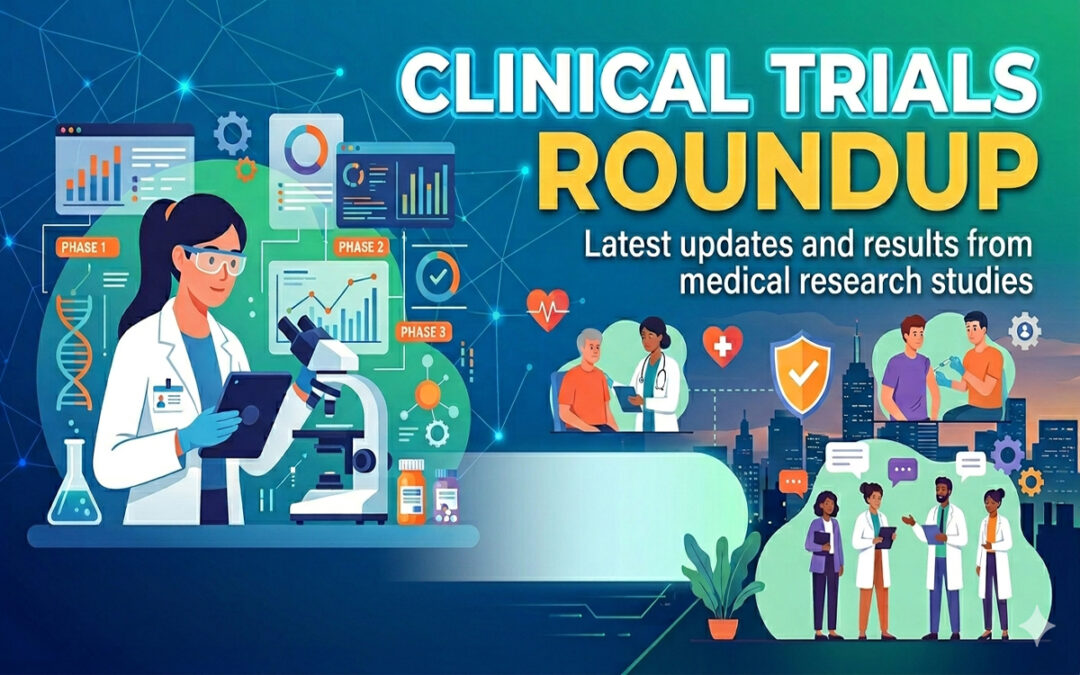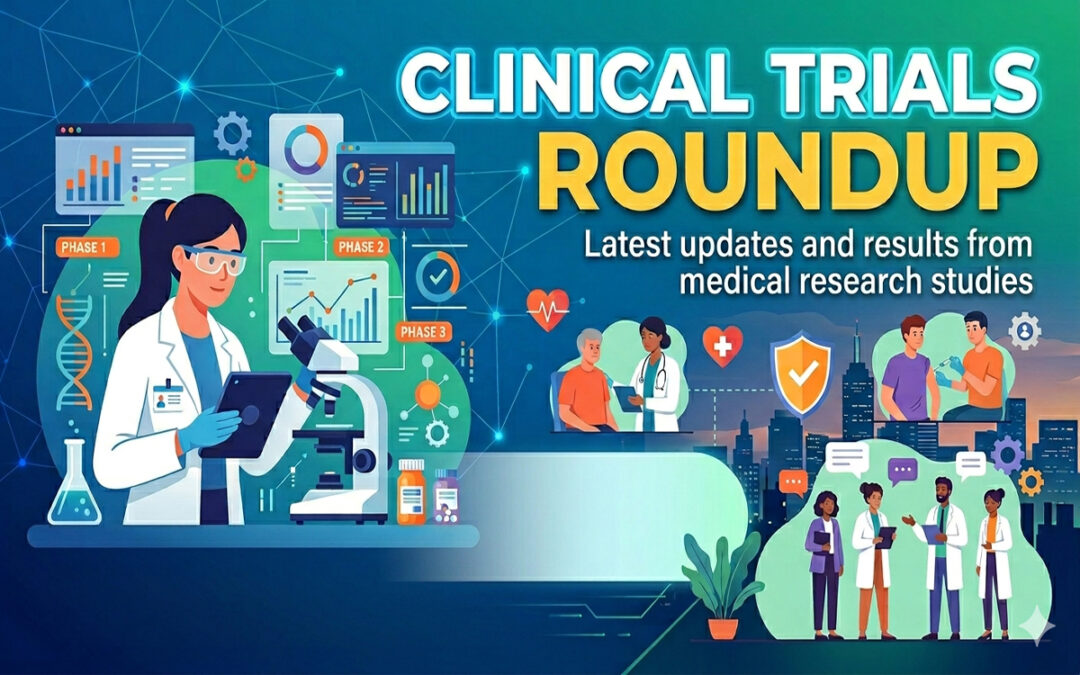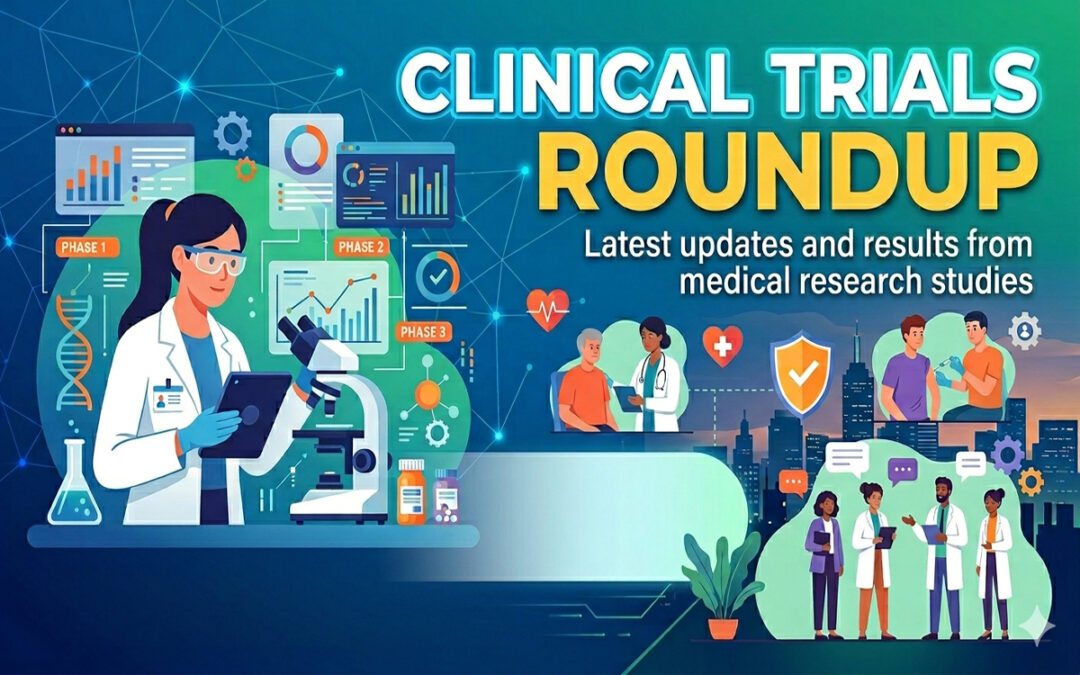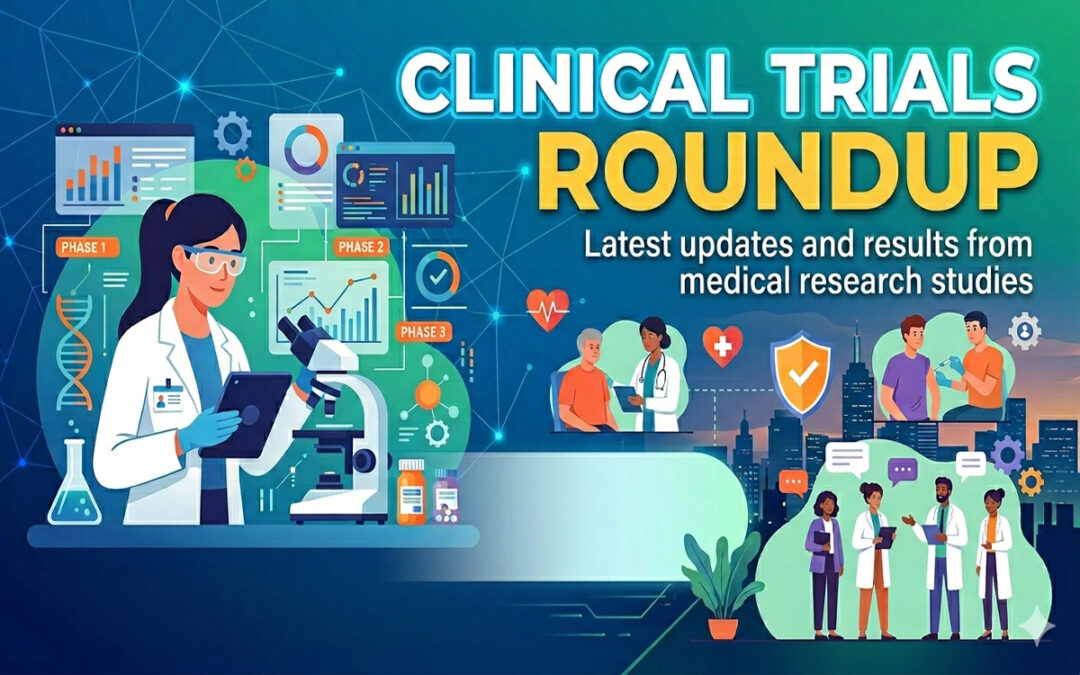

Drug development is one of the most expensive and time-intensive innovation processes in the world. Estimates from the Tufts Center for the Study of Drug Development suggest that bringing a new drug to market can cost over $2.6 billion and take more than a decade of research and trials.
Much of that value is stored digitally in research databases, collaboration platforms, and increasingly AI-driven research systems.
When these systems are compromised, attackers are not simply stealing files—they may be extracting entire research programs.
Artificial intelligence platforms add an additional layer of complexity. Machine learning models used for drug discovery often rely on proprietary training datasets and algorithms. If those models or datasets are exposed, the intellectual property embedded in them may be difficult to recover or protect.
Organizations are increasingly looking at frameworks for AI governance and secure AI adoption to guide responsible implementation while protecting sensitive research environments.
For life sciences organizations adopting AI, protecting the underlying data pipelines becomes just as important as protecting the research itself.
Protecting Clinical Trial Integrity
Beyond intellectual property, another critical concern is the integrity of clinical trial data.
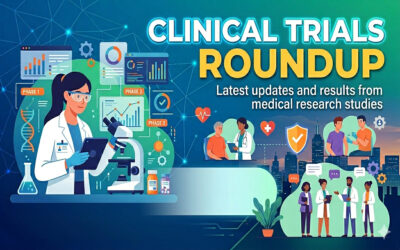
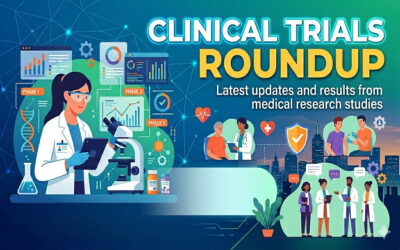
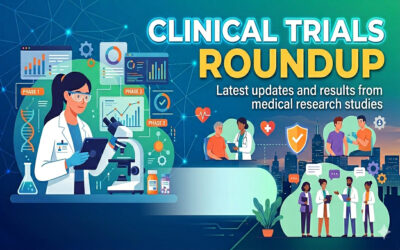
Clinical trials rely on precise and trustworthy datasets. Even small changes to trial data—whether accidental or malicious—can compromise the validity of results.
Regulators such as the U.S. Food and Drug Administration (FDA), the European Medicines Agency (EMA), and Health Canada require strict data integrity and Good Clinical Practice (GCP) standards to ensure that clinical trial results accurately reflect patient outcomes and treatment effectiveness.
Modern clinical trials are increasingly digital. Electronic data capture systems, cloud collaboration platforms, and remote monitoring technologies all introduce new potential attack vectors.
A compromised research network or misconfigured cloud environment could allow unauthorized access to trial records or enable data manipulation to occur undetected.
That is why cybersecurity and data governance are becoming central pillars of modern clinical research infrastructure.
AI Adoption Requires AI Governance
Artificial intelligence offers tremendous promise for life sciences organizations, particularly in areas such as molecular discovery, predictive analytics, and trial design optimization.
However, integrating AI into research environments requires careful governance.
Organizations must consider:
- who has access to the datasets used to train AI systems
- how those datasets are protected from unauthorized extraction
- how AI outputs are validated for accuracy and bias
- what level of human oversight remains in place
Without these controls, AI systems can unintentionally introduce new pathways for intellectual property exposure or data manipulation.
In many organizations, AI should be treated similarly to other forms of critical infrastructure. It requires the same level of monitoring, access control, and security oversight as financial systems or research databases.
AI can accelerate discovery—but it must operate within a framework that protects the integrity of the data driving it.
Building a Resilient Research Infrastructure
Protecting R&D and clinical trial data requires a layered approach.
Key elements include:
- zero-trust access controls for research systems
- continuous monitoring for suspicious activity around data repositories
- secure cloud architecture to prevent exposure of sensitive datasets
- strong credential protections such as multi-factor authentication
Equally important is organizational awareness. Many breaches begin with compromised credentials or phishing attacks rather than highly sophisticated technical exploits.
Training researchers and staff to recognize these risks is a critical part of protecting modern research environments.
The Future of Secure Scientific Innovation
Artificial intelligence is poised to dramatically accelerate medical innovation. AI-driven research has the potential to reduce drug discovery timelines, identify new therapeutic targets, and enable more personalized medicine.
But the value of those breakthroughs ultimately depends on the integrity of the systems that produce them.
Life sciences organizations that succeed in this new environment will be those that treat cybersecurity not as an afterthought, but as a foundational element of scientific infrastructure.
Protecting intellectual property, safeguarding clinical trial data, and implementing strong governance around AI systems are essential steps toward ensuring that the next generation of medical breakthroughs remains secure.
Innovation and security must evolve together.
About the Author

Darren Coleman, Founder and CEO
Darren Coleman is the Founder and CEO of Coleman Technologies, a managed IT services and cybersecurity firm based in Vancouver, Canada. He advises organizations on protecting critical infrastructure, managing cyber risk, and adopting artificial intelligence responsibly. This article represents his independent professional perspective.