
Roche has placed a fresh bet on lean mass preservation, the most contested new frontier in obesity drug development. On 24 August 2026, its Genentech unit licensed an experimental candidate from South Korea’s Hanmi Pharmaceutical. The drug, HM17321, is designed to strip fat while protecting muscle. Genentech is paying $190 million upfront. Milestones could lift the total to $2.3 billion. The deal lands as developers shift focus from how much weight patients lose to what kind.
Inside the Hanmi licensing agreement
The agreement gives Genentech rights to HM17321 worldwide, excluding South Korea. Hanmi keeps its domestic market. Roche will also pay tiered royalties on any future sales. Some outlets have reported a headline figure of $2.5 billion, adding the upfront payment to the milestone ceiling. Hanmi’s own announcement caps the total at $2.3 billion.
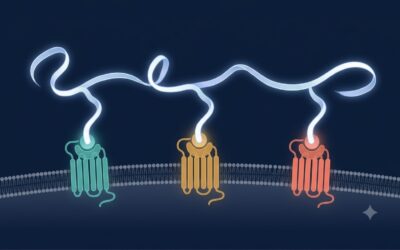
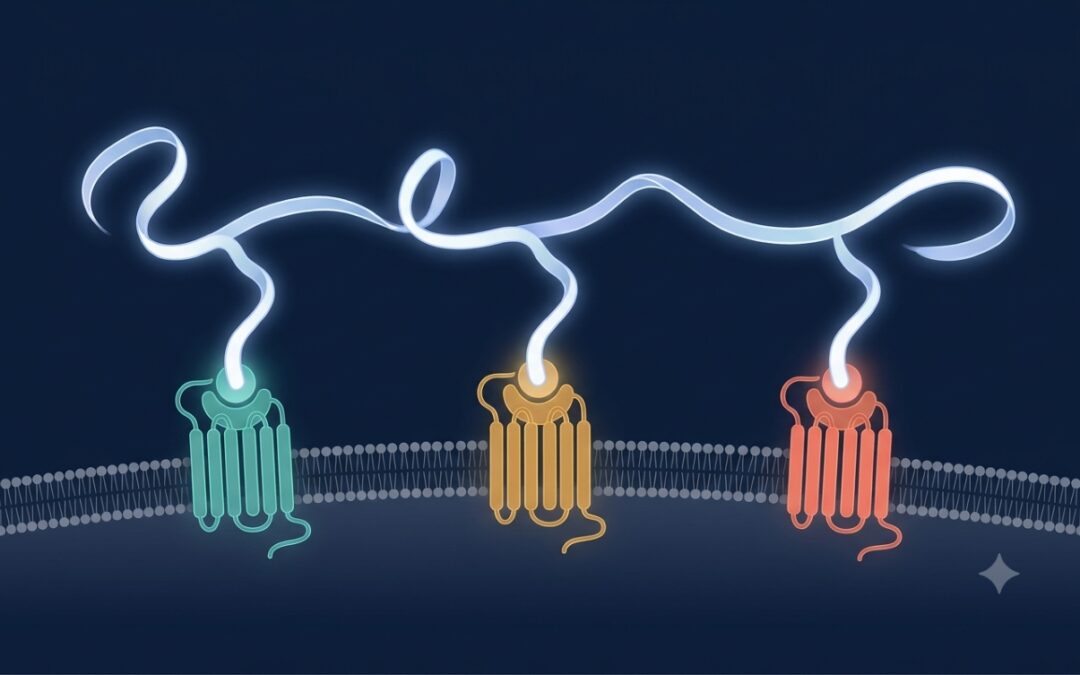
HM17321 is a proprietary urocortin-2 analogue. It acts through a non-incretin mechanism, which sets it apart from the GLP-1 receptor agonists that dominate the category. Hanmi has positioned the asset for chronic weight management, type 2 diabetes and cardiovascular disease. Preclinical work showed weight improvements as a monotherapy and alongside GLP-1 treatment.
The compound cleared its US investigational new drug application in November 2025. A Phase 1 study is now running in healthy volunteers and people living with obesity. It measures safety, tolerability, pharmacokinetics and pharmacodynamics. Hanmi will complete that trial. Genentech then assumes development from Phase 2 onwards.
In-Young Choi, Senior Executive Vice President and Head of Hanmi’s R&D division, set out the rationale. “The paradigm of obesity treatment is evolving beyond simple weight reduction,” he said in the company’s announcement. He described a field moving towards improved body composition and restored metabolic health.
Boris L. Zaitra, Head of Roche Corporate Business Development, pointed to first-in-class potential. Roche and Genentech will “pursue a differentiated approach”, he said. The stated aim is selective fat reduction alongside improved muscle mass.
Korean investors reacted within hours. Hanmi shares rose almost 30 per cent on the day of the announcement. They closed at 540,000 won, according to Korean market reports. The stock gave back much of that gain the following session. It is the largest single-asset licensing agreement in the company’s history.
Timing gave Hanmi leverage. Its US investigational new drug application cleared in November 2025. Denmark’s Gubra announced the start of a Phase 1/2a trial of its rival urocortin-2 analogue, GUB-UCN2, in July 2026. That gap of roughly eight months left Hanmi as the most advanced clinical asset in a very thin field.
Why lean mass preservation became a competitive axis
Incretin drugs work. They also remove muscle along with fat. That trade-off has become the sector’s most scrutinised weakness.
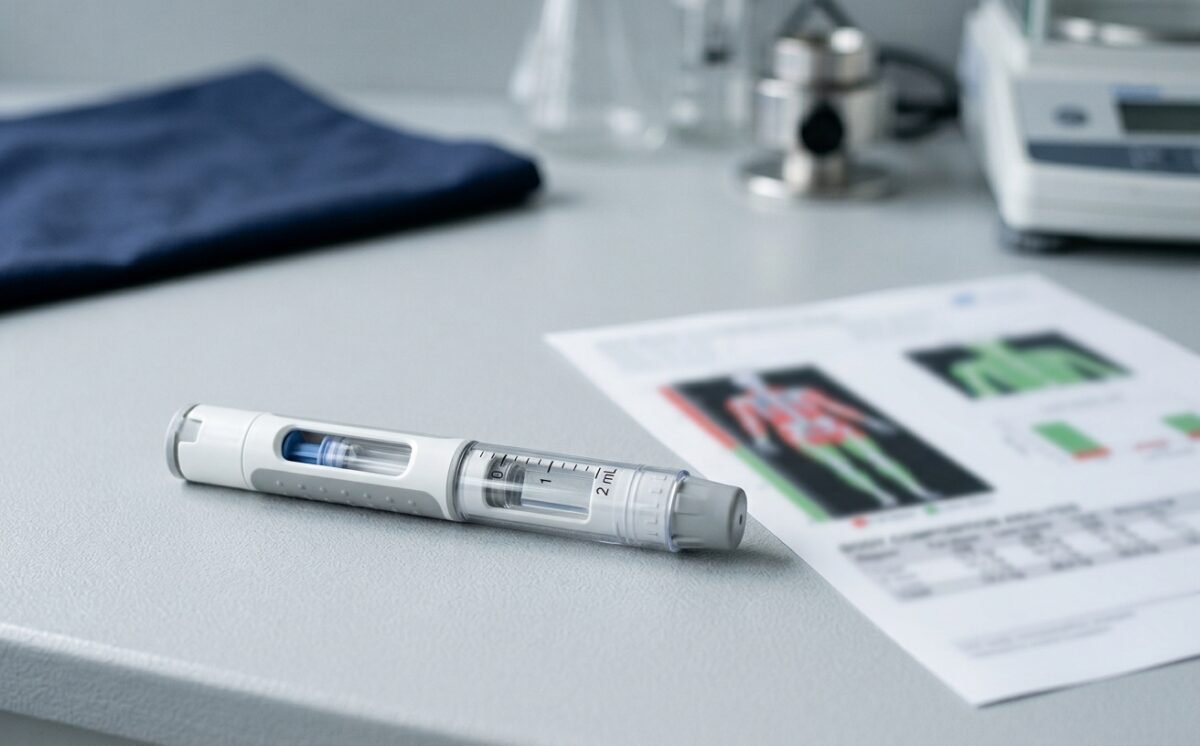
An exploratory body composition analysis of 140 participants in the STEP 1 trial illustrated the pattern. Semaglutide 2.4 mg reduced total fat mass by 19.3 per cent. Lean body mass fell by 9.7 per cent over the same treatment period. Regional visceral fat dropped by 27.4 per cent. The same analysis found lean mass rose as a proportion of total body mass. The ratio of lean mass to fat mass also improved.
Clinicians have since asked what those numbers mean for older and frailer patients. A 2024 commentary in The Lancet Diabetes and Endocrinology argued the question deserves far more attention. Its authors warned that skeletal muscle is not a rounding error in weight management.
The commercial implication is straightforward. A drug delivering equivalent weight loss with better body composition carries a genuine differentiation story. Payers and prescribers can both be sold on it. That is the story Roche has just bought into.
Lean mass preservation also opens a route around a crowded incretin field. Novo Nordisk and Eli Lilly hold entrenched positions in GLP-1 based therapy. The pipeline of late-stage obesity drugs is already dense. Competing on tonnage alone is expensive and slow. Competing on quality of weight loss is a narrower contest.
Roche’s crowded obesity bench
Roche has set out a public ambition to become a top three obesity company by 2030. Executives have been explicit that no single megablockbuster underpins that plan. Breadth of mechanism is the strategy instead.
The bench reflects it. Roche acquired the dual GLP-1 and GIP agonist CT-388 through its $2.7 billion purchase of Carmot Therapeutics. It then partnered with Zealand Pharma on the amylin analogue petrelintide. It also owns the oral GLP-1 candidate CT-996.
HM17321 adds a further mechanism to that bench. It is also the second Roche asset aimed at body composition rather than weight alone.
A myostatin setback earlier in 2026
The first was emugrobart, an anti-latent myostatin antibody. In March 2026, Genentech discontinued its development in spinal muscular atrophy and facioscapulohumeral muscular dystrophy. The antibody had not consistently improved muscle growth or function in either trial. Roche said the decision reflected those two neuromuscular indications rather than the obesity programme. Phase 2 development in obesity would continue as planned. Genentech confirmed the antibody remains in two obesity trials.
That outcome raised questions for GYMINDA, the Phase 2 obesity study pairing emugrobart with tirzepatide. The trial is listed as active and not recruiting. Body composition measures sit among its secondary endpoints.
Read against that backdrop, the Hanmi deal looks like deliberate risk management. Roche now holds two independent shots at lean mass preservation, working through unrelated biology.
Eli Lilly has made a comparable bet with bimagrumab, an activin receptor antibody acquired with Versanis. It withdrew one Phase 2b study in obesity with type 2 diabetes before enrolment opened. The clinical trials registry recorded the reason as strategic business reasons. Its Phase 2 combination with semaglutide was published in Nature Medicine in March 2026. That study produced 22.1 per cent weight loss. Roughly 93 per cent of the loss came from fat, against 72 per cent on semaglutide alone.
The evidence base is not settled
A second supporting dataset came from Scholar Rock. Its EMBRAZE trial enrolled 102 adults receiving tirzepatide and was published in Nature Medicine in June 2026.
Participants given apitegromab lost 1.6 kg of lean mass across 24 weeks. Those on placebo lost 3.5 kg. Total weight loss was broadly similar between the two arms. Fat accounted for 85.3 per cent of weight lost with apitegromab, against 69.5 per cent on placebo. The published analysis reported a least squares mean difference of 1.9 kg. That is a 54.9 per cent retention of lean mass relative to placebo. It found no notable differences between the arms in physical function or cardiometabolic markers at weeks 24 and 32.
Other researchers dispute the underlying premise. A March 2026 paper in Cell Reports Medicine found no disproportionate loss of muscle mass or function with incretin therapy. In its small human arm, grip and knee extension strength held steady despite reduced thigh muscle size.
Roche is therefore buying into a mechanism whose clinical value remains genuinely open. Phase 2 data will have to settle the argument. Regulators have not yet signalled that body composition endpoints will support labelling claims.
What the deal signals for UK and European markets
Scale explains the appetite. IQVIA put global obesity medicine sales at $66 billion in 2025. It forecasts $92 billion for 2026, then between $105 billion and $200 billion by 2027 and beyond.
The UK matters more than its population suggests. Among Europe’s five largest markets, it records the highest value of privately funded obesity medicine sales. That private channel gives differentiated products a commercial route ahead of formal reimbursement.
NHS England is separately running a phased primary care rollout of tirzepatide. Access is restricted initially to patients with the highest clinical need. NICE will review the arrangement at three years.
For UK commissioners, lean mass preservation is not yet a reimbursement lever. It could plausibly become one. Payers in this category already scrutinise long-term outcomes, tolerability and treatment persistence. Sarcopenia risk in older patients would fit that existing framework comfortably.
European regulators have not defined how body composition endpoints should be measured or reported. DXA and MRI are both in use across current trials. Any company building a label around muscle protection will need that methodological question resolved first.
What to watch next
Three things will determine whether this bet pays off. The first is Hanmi’s completed Phase 1 dataset, which Genentech inherits before committing further capital. The second is GYMINDA, whose body composition readout will test Roche’s myostatin approach directly. The third is competitor progress, most notably Gubra’s rival urocortin-2 candidate.
For business development teams, the read-through is sharper still. Asian licensors are commanding record terms for early-stage assets. Hanmi secured this agreement with a compound still in Phase 1 testing. That is a fair measure of how tight competition for differentiated obesity mechanisms has become.
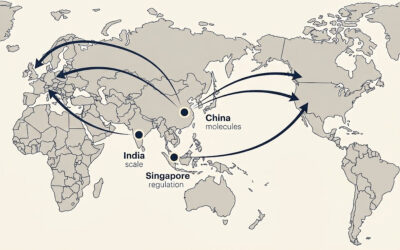
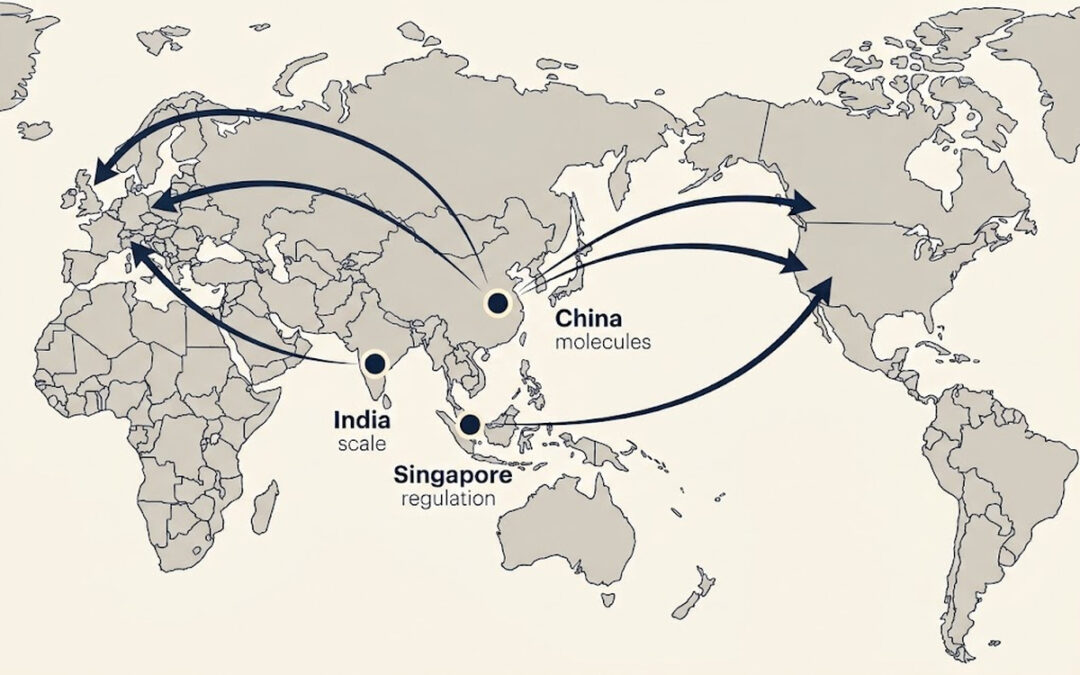
The wider pattern is already well established. Cross-border licensing out of China and South Korea has reshaped Western pipelines over the past two years. Obesity has become one of the busiest corridors in that traffic. Lean mass preservation now sits squarely inside it.
Lean mass preservation is no longer a scientific footnote in this market. It is now a licensing thesis with nine-figure upfront payments attached.