

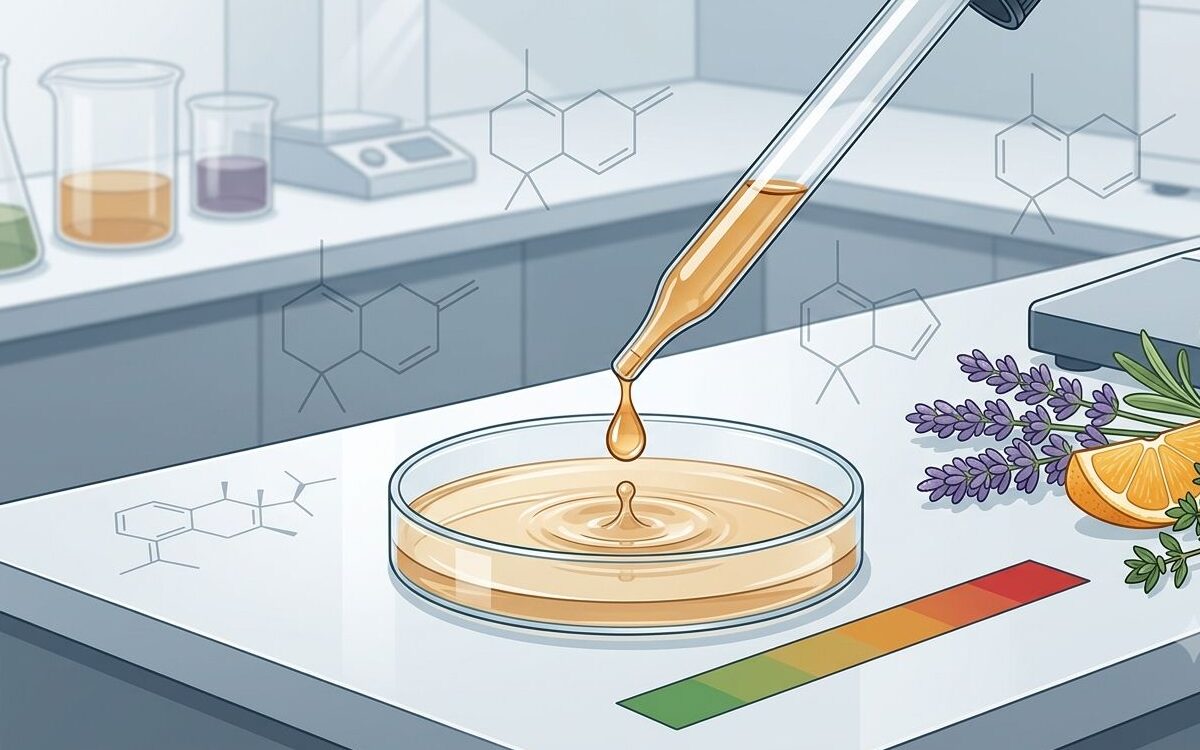
Essential oils are complex mixtures of volatile phytochemicals that have long been incorporated into traditional medicine, personal care products, aromatherapy, and topical therapeutic formulations. Their diverse biological activities—including antimicrobial, anti-inflammatory, antioxidant, and analgesic properties—have contributed to their widespread use across clinical and consumer settings. Despite these potential benefits, essential oils also present toxicological considerations that require careful evaluation.
Because these botanical extracts are highly concentrated, their safety cannot be assumed based solely on their natural origin. Factors such as chemical composition, concentration, route of exposure, duration of use, and individual susceptibility all influence their risk profile. Modern toxicological assessment therefore emphasizes evidence-based evaluation of both therapeutic potential and adverse effects.
As botanical products continue to gain popularity, understanding dermal toxicity, dose-response relationships, and current limitations in long-term safety research has become increasingly important for clinicians, formulators, and regulatory agencies alike.
Dermal Toxicity, Sensitization, and Contraindications
The skin is the primary route of exposure for many essential oil products, making dermal safety a central consideration in toxicological risk assessment. Although many essential oils are well tolerated when properly diluted, others contain constituents capable of causing irritation, allergic reactions, or phototoxic responses.
Dermal irritation typically results from direct chemical effects on the skin and may present as redness, burning, dryness, or inflammation. Oils rich in phenolic compounds or aldehydes—including oregano, thyme, cinnamon bark, and lemongrass—are generally associated with a greater potential for irritation, particularly when applied undiluted or at high concentrations.
Beyond simple irritation, repeated exposure may lead to allergic contact dermatitis through a process known as sensitization. Unlike irritant reactions, sensitization involves activation of the immune system, meaning individuals who become sensitized may develop allergic responses upon subsequent exposure, even at relatively low concentrations. Oxidation during storage can further increase the allergenic potential of certain essential oils, emphasizing the importance of appropriate handling and formulation.
Certain citrus oils also present an additional toxicological concern through phototoxicity. Cold-pressed bergamot, lime, and bitter orange oils contain naturally occurring furanocoumarins that may increase skin sensitivity to ultraviolet radiation, potentially resulting in severe sunburn-like reactions and long-lasting pigmentation changes following sun exposure.
Patient-specific contraindications should also be considered. Young children, pregnant individuals, older adults, and patients with chronic conditions such as epilepsy, asthma, or liver disease may demonstrate increased susceptibility to adverse effects because of physiological differences affecting absorption, metabolism, or neurological sensitivity. Careful product selection and individualized risk assessment remain essential components of safe use.
Dose-Response Relationships
The principle that toxicity depends upon dose forms the foundation of modern toxicology and is equally applicable to essential oils. Beneficial biological activity and adverse effects often exist along the same continuum, with increasing exposure associated with progressively greater toxicological risk.
At appropriately diluted concentrations, certain essential oils may provide therapeutic benefits such as antimicrobial activity, temporary relief of discomfort, or improvements in subjective well-being. However, increasing concentration or frequency of application may also increase the likelihood of skin irritation, respiratory discomfort, or allergic reactions.
At substantially higher exposures, whether through excessive topical application, prolonged inhalation, or accidental ingestion, some essential oil constituents have been associated with systemic toxicity. Potential adverse outcomes include central nervous system effects, gastrointestinal symptoms, hepatotoxicity, and, in severe poisoning cases, neurological complications. Children remain particularly vulnerable because relatively small quantities may represent proportionally large doses relative to body weight.
Dose-response relationships are further influenced by numerous biological variables. Age, skin integrity, genetic differences in metabolism, concurrent medication use, pre-existing medical conditions, and repeated exposure can all alter individual susceptibility. Consequently, concentrations that are well tolerated by one individual may produce adverse effects in another.
Understanding these variables is fundamental to establishing safe dilution guidelines and evidence-based recommendations for topical and inhalational use.
Gaps in Long-Term Safety Data
Although essential oils have been used for centuries and numerous laboratory studies have investigated their biological properties, significant knowledge gaps remain regarding long-term human safety.
Many published clinical studies involve relatively small participant populations, short intervention periods, or limited follow-up. While these investigations provide valuable information regarding immediate tolerability and short-term efficacy, they offer comparatively little insight into the consequences of repeated exposure over months or years.
An additional challenge arises from the considerable variability in essential oil composition. Differences in plant species, geographical origin, cultivation conditions, harvest timing, extraction methods, storage practices, and chemical chemotypes can produce substantial variation between products marketed under the same botanical name. This variability complicates comparison across studies and limits the generalizability of research findings.
Further uncertainty exists regarding chronic low-level exposure. Questions remain concerning the cumulative effects of repeated dermal application, long-term inhalation, potential endocrine interactions, and chronic neurological outcomes. Similarly, robust evidence evaluating safety in vulnerable populations—including pregnant individuals, infants, older adults, and patients with chronic illness—remains limited.
Current toxicological assessment increasingly recognizes the importance of integrating hazard identification with realistic exposure assessment. Rather than evaluating intrinsic toxicity alone, contemporary risk assessment considers concentration, route of administration, duration of exposure, and patient-specific characteristics to determine the likelihood of adverse outcomes under practical conditions of use.
Clinical and Research Considerations
Current evidence supports the importance of individualized risk assessment when recommending or formulating essential oil–based products. Healthcare professionals and formulators should consider patient age, medical history, skin condition, concurrent medications, and intended duration of use before selecting botanical ingredients or recommending therapeutic applications.
Patch testing may be appropriate for individuals with sensitive skin or a history of allergic reactions, particularly when products contain oils known to possess greater sensitization potential. Appropriate dilution, proper storage to minimize oxidation, and adherence to established safety guidelines remain important strategies for reducing adverse events.
From a research perspective, greater standardization of study design, reporting methods, and chemical characterization of essential oils would improve the quality and comparability of toxicological evidence. Well-designed randomized clinical trials with longer follow-up periods are needed to better define safe exposure limits and identify populations that may be at increased risk.
Future Directions and Innovation
Advances in analytical chemistry, toxicogenomics, and computational toxicology are providing new opportunities to improve the safety evaluation of botanical products. Modern approaches increasingly integrate chemical characterization with mechanistic studies examining cellular responses, inflammatory pathways, and metabolic processing of individual essential oil constituents.
Emerging developments may include:
- Improved predictive toxicology models using artificial intelligence and computational chemistry
- Greater chemical standardization of commercially available essential oils
- Long-term surveillance of adverse events through pharmacovigilance systems
- Development of formulation strategies that maximize therapeutic benefit while minimizing irritation and sensitization
- Enhanced international harmonization of botanical safety testing and regulatory standards
As scientific knowledge continues to expand, these innovations are expected to support more precise, evidence-based approaches to botanical product development and consumer safety.
Conclusion
The safety and toxicological assessment of essential oils requires careful consideration of both their therapeutic potential and their capacity to produce adverse effects. Dermal toxicity, allergic sensitization, phototoxicity, and dose-dependent systemic effects illustrate that the biological activity of essential oils is closely linked to concentration, formulation, and individual susceptibility.
Although many essential oils can be used safely when appropriately formulated and applied, important gaps remain regarding long-term exposure and chronic health outcomes. Continued research, standardized safety testing, and comprehensive risk assessment frameworks will be essential for guiding clinical practice, supporting regulatory decision-making, and informing responsible product development.
By integrating traditional botanical knowledge with modern toxicological science, healthcare professionals and formulators can better balance efficacy with safety, ensuring that essential oils are used in ways that maximize therapeutic value while minimizing potential harm.
Author Bio