
NHS Golden Jubilee Becomes First Scottish Hospital to Adopt Light-Activated Infection Prevention Technology to Prevent Surgical Site Infections
GLASGOW — Scotland’s flagship orthopaedic hospital, NHS Golden Jubilee, has become the first in the country to adopt an innovative light-activated therapy to protect patients from surgical site infections (SSIs).
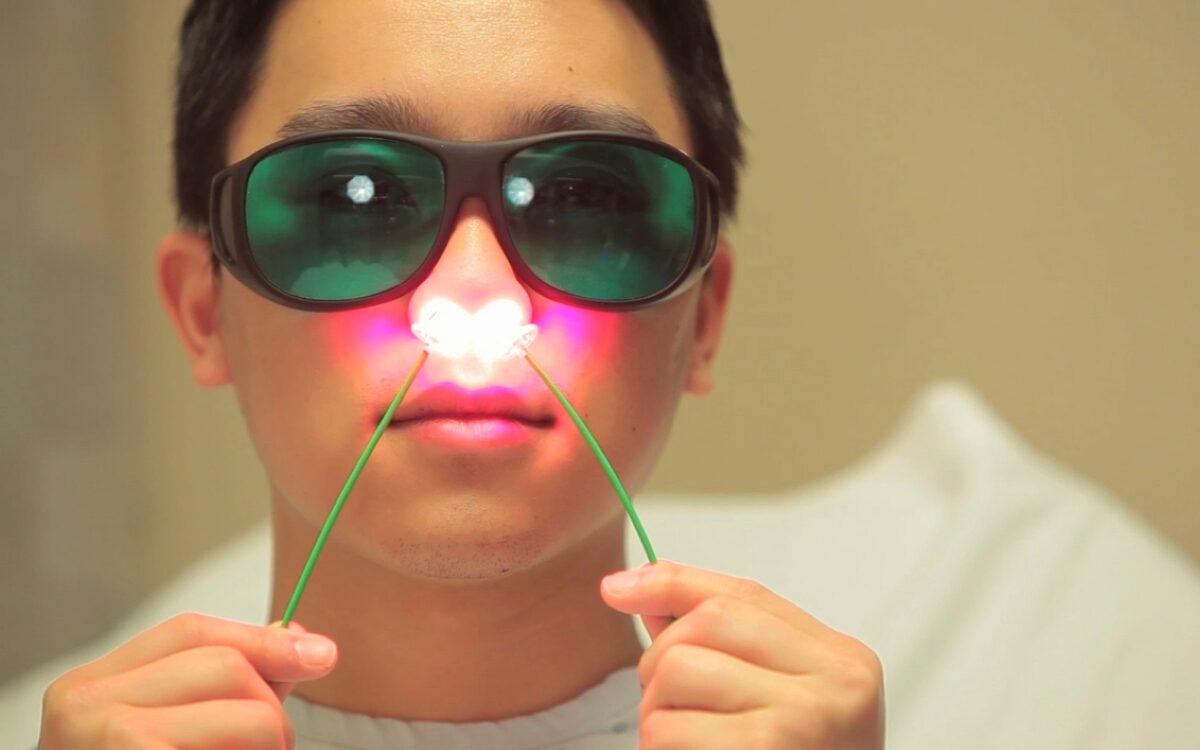
The hospital, which carries out approximately 30% of all hip and knee replacements in Scotland, is integrating Steriwave® nasal photodisinfection into its care pathway prior to surgery. Developed by Vancouver-based Ondine Biomedical and distributed in the UK by Mölnlycke Health Care, the technology replaces traditional multi-day, home-based nasal decolonisation kits with a single five-minute treatment administered by a nurse immediately before surgery.
The nose is a primary reservoir for harmful pathogens that cause post-operative joint infections. Steriwave utilises a patented, light-sensitive liquid compound in combination with a specific wavelength of red light to generate oxygen-free radicals that rapidly eliminate bacteria, viruses, and fungi without relying on antibiotics—a critical factor in the global fight against drug-resistant “superbugs.” The action is so rapid and multifaceted that the bugs are unable to develop resistance.
Uncomplicated joint replacements at NHS Golden Jubilee typically involve an average hospital stay of 2.4 days. However, UK research indicates that when a prosthetic joint infection occurs, the resulting revision surgery and ongoing treatment can cost the NHS over £33,000 per patient over five years.
“Preventing surgical site infections is a critical component of our approach,” said Professor Christopher Gee, Consultant Orthopaedic Surgeon at NHS Golden Jubilee. “By integrating nasal photodisinfection into our infection-prevention bundle, we offer an efficient, nurse-led solution that enhances patient outcomes and optimises healthcare resources.”
The move directly aligns with the Scottish Government’s health objectives to increase elective surgical capacity, optimise National Treatment Centres, and reduce waiting lists across the country.
“In high-volume elective surgery, every infection prevented protects both patients and capacity,” said Carolyn Cross, CEO of Ondine Biomedical. “Steriwave puts control of a critical part of infection prevention in the hands of clinical teams at the point of care.”
Steriwave is now deployed in hospitals across Canada and in England, both to prevent surgical site infections and to protect patients in ICUs who are particularly vulnerable to infection.
About Ondine Biomedical Inc.
Ondine Biomedical Inc. is a Canadian life sciences company focused on the development of light-activated antimicrobial therapies (‘photodisinfection’) for the prevention and treatment of infections, including those associated with multidrug-resistant organisms.
Ondine’s lead product, Steriwave®, is authorised for nasal decolonisation in Canada, the UK, and certain other international markets. In the United States, the technology has been granted Qualified Infectious Disease Product designation and Fast Track status by the U.S. Food and Drug Administration and recently completed enrolment in its Phase 3 clinical trial.
The Company has a pipeline of additional photodisinfection products in various stages of development for application in areas including chronic sinusitis, ventilator-associated pneumonia, burns and other indications.
U.S. Regulatory Status and Clinical Data Disclaimer
Ondine’s light-activated antimicrobial technology, commercially available as Steriwave® in certain jurisdictions, is not approved, cleared, or commercially available for sale or clinical use in the United States and is limited by U.S. law to investigational use only.
References to clinical outcomes in this release should be interpreted in the context of the specific studies or real-world evaluations described and do not imply regulatory approval for any particular indication.