
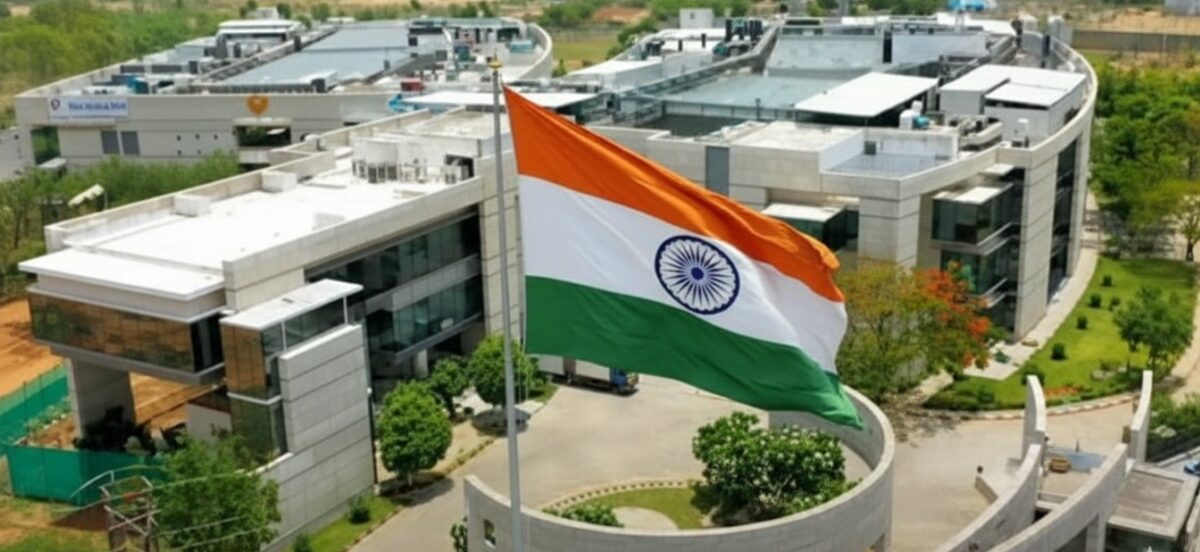
India is emerging as one of the most dynamic life sciences markets in the world. Long recognised for its strength in pharmaceuticals and generics, the country is now experiencing a broader life sciences boom that spans biotechnology, vaccines, medical devices, diagnostics, digital health and contract research. Driven by strong government support, a deep scientific talent pool and increasing global investment, India’s life sciences sector is moving rapidly up the value chain.
Market Growth and Economic Impact
India’s life sciences industry has grown at pace over the past decade and is now valued at well over 100 billion US dollars, with ambitious targets to more than double this figure in the coming years. Pharmaceuticals remain the backbone of the sector, with India supplying around 20 percent of the world’s generic medicines by volume. However, growth is increasingly coming from biologics, biosimilars, cell and gene therapies, vaccines and advanced diagnostics.
Exports continue to play a major role, particularly to the United States, Europe, Africa and emerging markets. At the same time, domestic demand is rising as India’s healthcare system expands and access to diagnostics and advanced treatments improves. This combination of export strength and internal market growth has made life sciences one of India’s most strategically important industries.
From Generics to Innovation
Historically, India’s life sciences success was built on cost efficient manufacturing and reverse engineering of small molecule drugs. That foundation remains strong, but the focus is shifting decisively towards innovation.
Indian companies are investing more heavily in research and development, particularly in biologics, novel drug delivery systems and complex injectables. There is also growing momentum in new chemical entities and first in class or best in class molecules, with several Indian firms now advancing assets into global clinical trials.
Biotechnology is a major growth engine. India has become a global leader in vaccines, demonstrated most visibly during the COVID pandemic, and continues to expand capabilities in recombinant proteins, monoclonal antibodies and biosimilars. The country is now one of the largest producers of biosimilars globally, offering more affordable alternatives to high cost biologic therapies.
Life Sciences Clusters and Infrastructure
The growth of life sciences in India has been supported by the development of dedicated regional hubs. Cities such as Bengaluru, Hyderabad, Pune, Mumbai, Ahmedabad and Chennai have become focal points for research, manufacturing and start up activity.
Hyderabad’s Genome Valley is often cited as a flagship example. It hosts hundreds of life sciences companies, global research centres, manufacturing facilities and academic institutions, supported by modern infrastructure and strong state government backing. Bengaluru has emerged as a hub for biotech innovation, digital health and medtech, while western India remains a powerhouse for pharmaceutical manufacturing and exports.
Government initiatives have played a critical role. National and state level policies offer tax incentives, funding support, fast track approvals and investment in shared research infrastructure such as biotech parks and incubators. Programmes aimed at strengthening clinical research, improving regulatory processes and supporting start ups have helped create a more innovation friendly ecosystem.
Companies Driving the Boom
A mix of established pharmaceutical leaders and fast growing biotech companies are shaping India’s life sciences landscape.
Large domestic players such as Sun Pharma, Dr Reddy’s Laboratories, Cipla, Lupin and Aurobindo Pharma continue to expand globally while investing in complex generics and specialty products. Biocon has become a global name in biosimilars and biologics, with partnerships and commercial operations across major international markets. Serum Institute of India is the world’s largest vaccine manufacturer by volume and a critical supplier to global immunisation programmes.
Alongside these giants, a new generation of biotech and health technology companies is emerging. Firms such as Syngene International, Laurus Bio, Bharat Biotech and Zydus Lifesciences are investing heavily in innovation, contract research, biologics and vaccines. In diagnostics and digital health, Indian start ups are leveraging artificial intelligence, data analytics and low cost technologies to address both domestic and global healthcare challenges.
The People Behind the Growth
India’s life sciences boom is underpinned by a large and increasingly sophisticated talent base. The country produces hundreds of thousands of science and engineering graduates each year, many with specialised training in biotechnology, bioinformatics, chemistry and pharmaceutical sciences.
Entrepreneurial leaders have played a defining role. Figures such as Kiran Mazumdar Shaw of Biocon have helped shift global perceptions of India from a low cost manufacturing hub to a centre for high value innovation. At the same time, many senior scientists and executives trained in the United States and Europe have returned to India, bringing global experience, networks and best practice.
Collaboration between academia, industry and government is also strengthening. Indian Institutes of Technology, the Indian Institute of Science and leading medical research centres are increasingly engaged in translational research and industry partnerships.
Global Investment and Partnerships
International interest in India’s life sciences sector continues to grow. Multinational pharmaceutical and biotech companies are expanding R and D centres, manufacturing sites and contract research operations in the country. Strategic partnerships, licensing deals and co development agreements between Indian and global firms are becoming more common, particularly in biosimilars, vaccines and specialty medicines.
Private equity and venture capital investment has also increased significantly, especially in biotech start ups, medtech and digital health. While challenges remain around regulation, pricing pressure and infrastructure consistency, investors are attracted by the scale of the market, improving quality standards and long term growth potential.
Looking Ahead
India’s life sciences sector is at a pivotal moment. The foundations of manufacturing scale and scientific talent are now being matched by greater emphasis on innovation, quality and global integration. As healthcare needs grow both within India and worldwide, the country is well positioned to play an even larger role in shaping the future of medicine.
From affordable generics and vaccines to cutting edge biologics and digital health solutions, the life sciences boom in India is no longer just about volume and cost. It is increasingly about innovation, impact and global leadership.