Over the next decade, modern medicine is poised to undergo a redefinition that has not been seen in generations. The surge in innovation, transformational scientific discoveries and rapidly maturing technologies is redefining patient outcomes. The biotech industry is on the cusp of a renaissance of oncology, gene therapy, personalised medicine and an emerging AI revolution that will redefine the medicine we use.
Due to the methodological process of research, trials and approvals, progress in the biotech industry has traditionally occurred in waves. What is different today is the sheer number of waves that are occurring at once. Emerging biotech companies now account for roughly two-thirds of the global drug biotech pipeline. This innovation is taking place across central nervous system disorders, inflammatory diseases, immunology, oncology and rare genetic conditions. When you combine that breadth with new platforms such as RNA medicines, gene and cell therapy, bispecific antibodies and antibody‑drug conjugates, it’s clear that the sector is unlocking multiple routes to treating and curing a multitude of diseases.
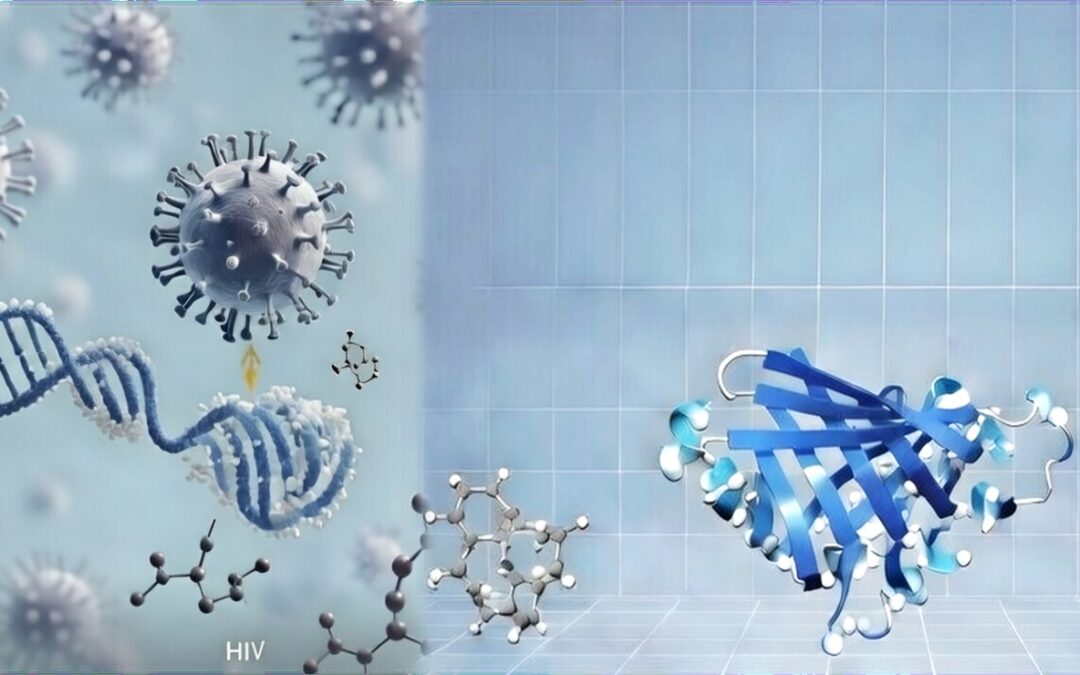
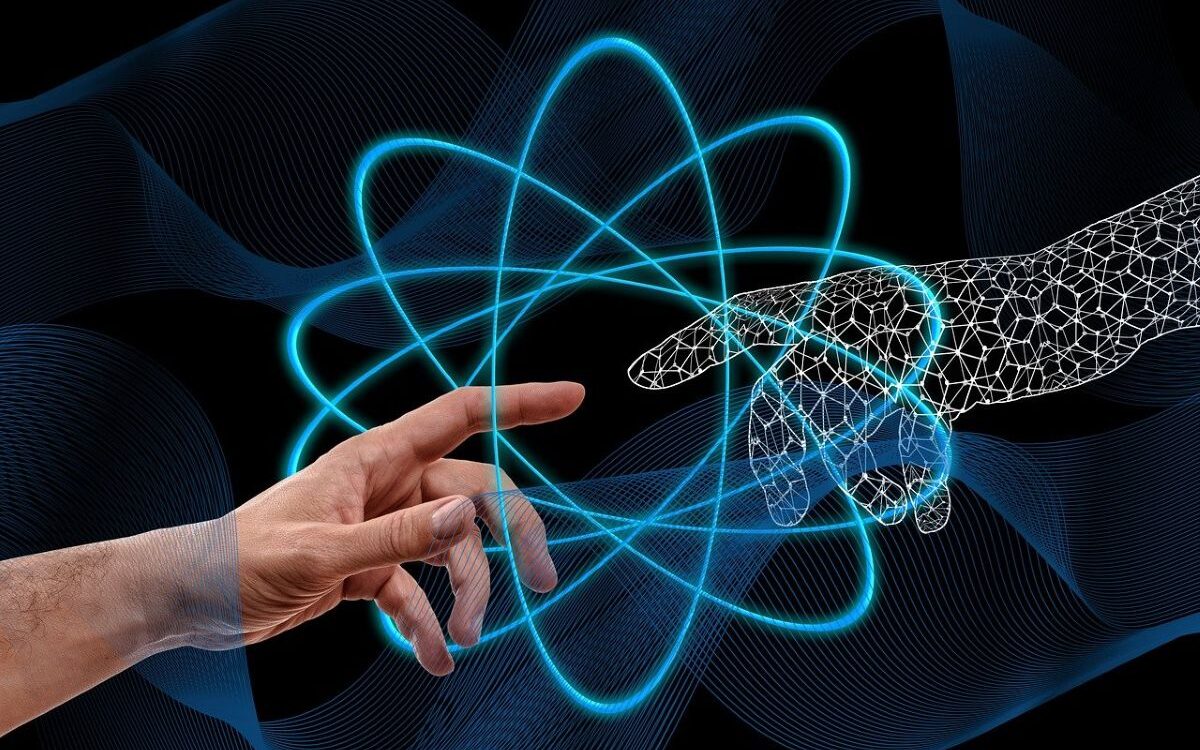
Artificial Intelligence is, of course, an exciting contributor to this development; however, it’s important to remain aware of where the real impact will fall. We are already seeing widespread use across the industry to accelerate drug discovery, predict molecular structures and improve the selection of drug candidates. However, there will always be a human element in this industry; even perfect prediction models will require extensive human clinical trials, and it takes time for any drug to be deemed effective and safe for patients.
Despite only being in the early stages of AI-enhanced therapies, the direction of travel is unmistakable. The potential for enhanced productivity, reduced costs and the technology’s ability to explore biological questions that would take too long to answer or cost too much to discover will expand drug pipelines in both number and quality over the next decade.
This is perhaps why it is so surprising to investors that there is such a disconnect between the scale of innovation and the valuations that emerging biotech companies are given. The headwind of rising interest rates from 2021 onwards disproportionally hit the most innovative, yet least profitable, element of the market. This is no isolated issue; at one point, over one quarter of listed biotech companies traded at a value lower than the cash on their balance sheets. Despite this, innovation did not slow; it just became more expensive, as did the capital that was needed to sustain it. As rates normalise, we are seeing the early shoots of recovery, in sentiment, performance and capital formation, but there is still significant room for rerating to continue.
This has resulted in a striking gap between biotech and the broader equity market over the past four to five years, even though the fundamental drivers for the sector – scientific progress, clinical success and unmet medical need – have only strengthened.
Artificial Intelligence is not the only force shaping the next decade of biotech growth and development; the industry itself is becoming more globalised. China is now responsible for roughly 30% of global clinical trial activity, and its industry functions at a fraction of the cost and time restraints that the US and Europe incur. This has created an increasing trend of US and European companies licensing Chinese-developed drugs and bringing them to Western Markets. This benefits Western patients and also provides exposure to a different innovation ecosystem that moves in a faster, more cost-effective way and at a greater scale. In our view, Chinese biotech sits largely outside the global trade tensions as the benefit to Western healthcare systems is too direct to ignore.
It’s particularly exciting to me that over the next decade, we will see the maturation of technologies that were once considered science fiction. Gene therapy is becoming a commercial reality and has the potential to repair or replace defective genes, delivering one-time curative treatments. The oncology industry is witnessing impressive results in cell therapies, and these tools are rapidly becoming more refined, precise, safer and more accessible. Cancer therapy is being redefined with antibody-drug conjugates that deliver chemotherapy directly to tumours whilst avoiding healthy tissue. RNA medicines are expanding into new disease areas beyond the high‑profile success of mRNA vaccines. Each of these technologies has the potential to reshape disease treatment on its own; taken together, they represent a generational leap forward.
Perhaps the most transformative shift will be the rise of personalised medicine. Each disease in each patient can have a different fingerprint, despite an identical diagnosis. As gene sequencing becomes cheaper and more widely adopted, treatments will increasingly be designed for an individual rather than an average patient. This will mean that for more complex diseases, and cancer in particular, therapeutics can be made for the mutations driving a specific tumour. We are leaving the era of one-size-fits-all medicine, and it will be replaced with more precise, effective and durable.
Biotech is a sector defined by volatility in the short term and value creation in the long term. The next decade is poised to reward those who can navigate that volatility with deep scientific analysis and disciplined risk management. For investors, the opportunity ahead is substantial.
Author Bio:

Geoff Hsu is a General Partner at OrbiMed and joined the firm in 2002. He has been a Portfolio Manager since 2005 and helps lead the public equity team’s biotech and emerging markets efforts. Prior to joining OrbiMed, Geoff worked as a financial analyst in the healthcare investment banking group at Lehman Brothers. He received his A.B. degree summa cum laude from Harvard University and holds an M.B.A. from Harvard Business School. Prior to business school, Geoff spent two years studying medicine at Harvard Medical School. Outside the office, Geoff enjoys biking, playing squash, and spending time with his wife and two sons.