For decades, the fields of oncology, neuroscience, and microbiology operated in distinct silos within therapeutic research and clinical practice. Modern drug discovery, however, is rapidly witnessing a paradigm shift toward systemic biology. Researchers increasingly recognize that cellular function—whether occurring in aggressive malignant tumors or degenerating neural networks—is deeply interconnected with host metabolic states and the expansive human microbiome.
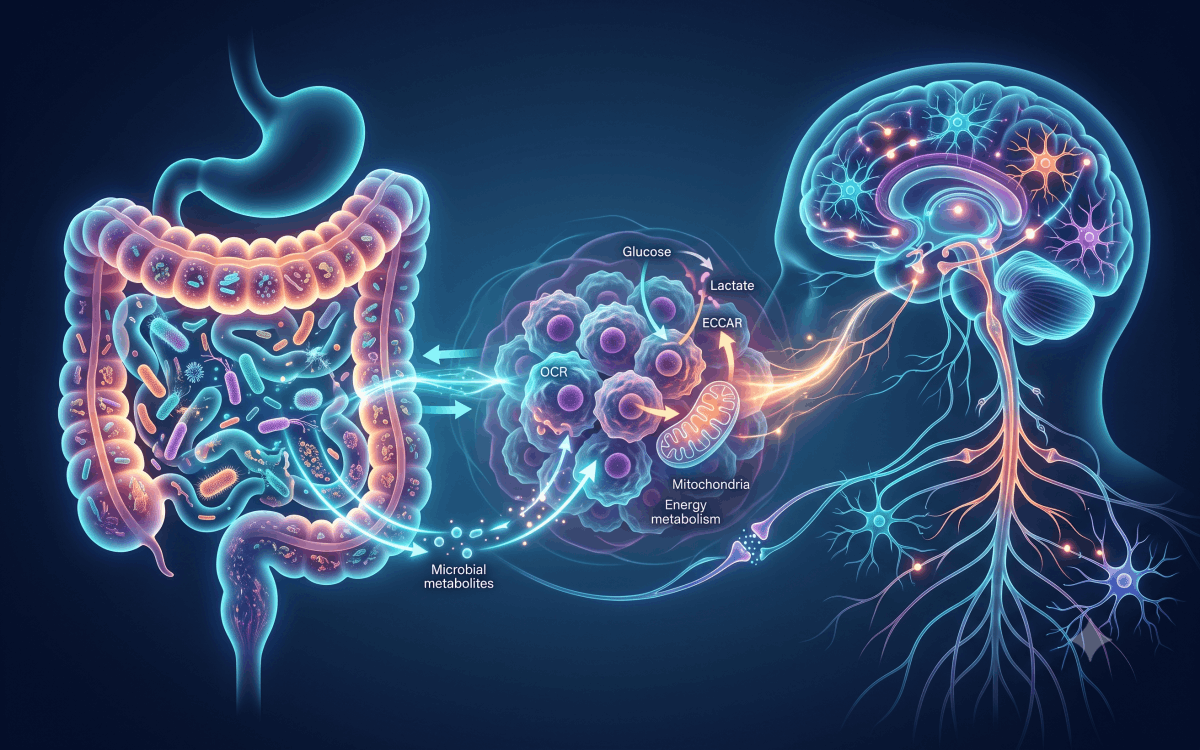
At the very center of this emerging paradigm is the microbiome–gut–brain–metabolism axis: a complex, multidirectional communication network linking gastrointestinal microbial dynamics, cellular metabolic reprogramming, and central nervous system (CNS) health. Unraveling these complex cross-talk mechanisms is no longer just a theoretical pursuit; it requires highly integrated assay platforms capable of dissecting cellular energetics, microbial composition, and neuroinflammatory responses simultaneously. As pharmaceutical pipelines pivot toward this holistic view, understanding this axis has become critical for developing the next generation of targeted biologics and immunotherapies.
Tumor Cellular Metabolism: The Hidden Engine of Immunosuppression
Malignant transformation profoundly reshapes cellular metabolism, enabling cancer cells to survive under nutrient-deprived and stressful conditions. A hallmark of this adaptation is the shift toward aerobic glycolysis (the Warburg effect), accompanied by increased glutamine utilization and altered lipid metabolism to support tumor growth.
More importantly, tumor metabolic reprogramming actively reshapes the immune microenvironment. Accumulated metabolites, particularly lactate and adenosine, function as immunoregulatory signals that suppress cytotoxic T-cell activity while promoting immunosuppressive populations, including myeloid-derived suppressor cells (MDSCs) and regulatory T cells (Tregs). This metabolic imbalance contributes to the formation of an immune-resistant “cold” tumor state, limiting responses to many cancer therapies.
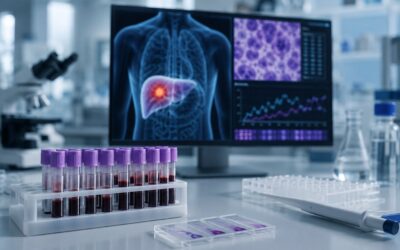
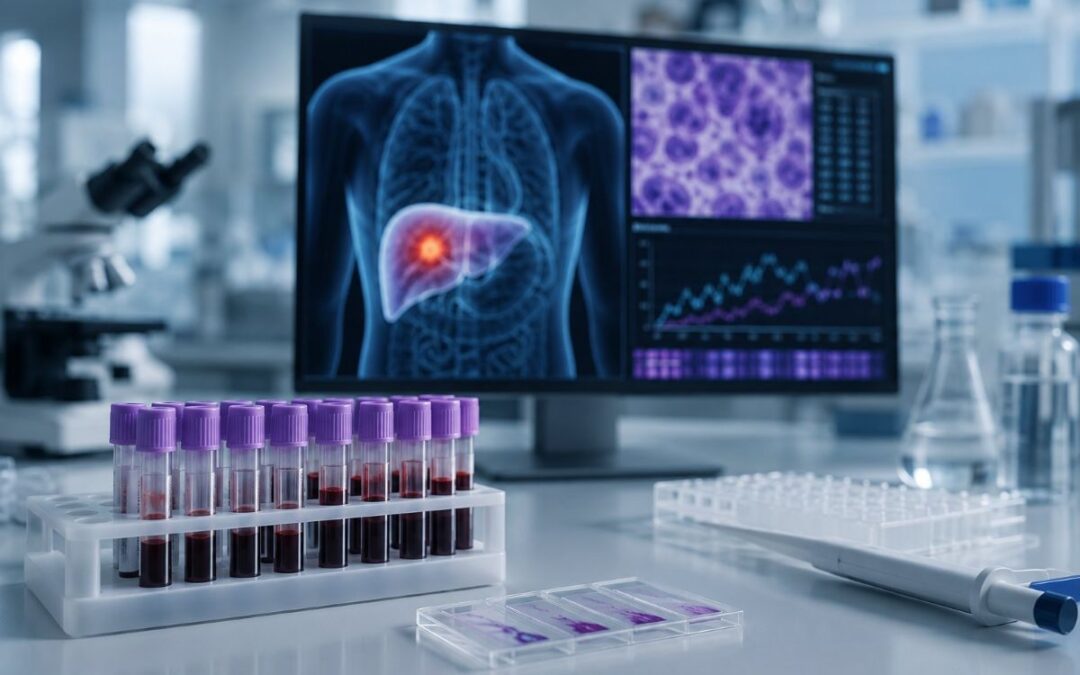
Understanding these metabolic barriers is therefore critical for advancing immuno-oncology strategies. Integrated tumor metabolism assays enable researchers to evaluate key parameters such as oxygen consumption rates (OCR), extracellular acidification rates (ECAR), and metabolite profiles across 2D and 3D tumor models. These insights help reveal metabolic vulnerabilities and support the development of combination approaches that improve tumor sensitivity to immune-based therapies.
The Gut Microbiome and Pathogen Profiling: Modulators of Systemic Immunity
The human gastrointestinal tract harbors trillions of microorganisms that exert profound and systemic effects on host immunity, pharmacological drug responsiveness, and overall metabolic homeostasis. Dysbiosis—a pathological imbalance in microbial community structure—or colonization by opportunistic gut pathogens can compromise the integrity of intestinal mucosal barriers. This condition, often referred to as “leaky gut,” triggers widespread systemic inflammation and downstream metabolic dysfunction that can exacerbate diverse disease states.
Recent preclinical and robust clinical studies clearly demonstrate that specific gut pathogens modulate both local gastrointestinal tumorigenesis and distant peripheral organ pathology. For example, specific enterotoxigenic strains of Bacteroides fragilis (ETBF) and Fusobacterium nucleatum actively shape the colorectal TME, promoting chronic inflammation and contributing to chemotherapy resistance mechanisms. Conversely, beneficial commensal bacterial species generate vital metabolites, such as short-chain fatty acids (SCFAs), which have been associated with improved responses to immune checkpoint blockade in preclinical models and clinical studies.
Given these profound impacts, accurate microbial mapping requires highly rigorous analytical workflows. Advanced platforms offering comprehensive gut pathogen identification leverage cutting-edge technologies, including high-throughput 16S rRNA sequencing, shotgun metagenomics, and strain-specific quantitative PCR. These sophisticated analytical capabilities enable researchers to distinguish subtle pathogenic signatures from protective commensal populations. Ultimately, profiling the gut microbiota provides vital biomarkers for patient stratification, allowing for the development of tailored microbiome-targeted therapeutic interventions—ranging from highly specific engineered probiotics to fecal microbiota transplantation (FMT) strategies.
Neuroinflammation and CNS Assays: Uncovering Neurological Crosstalk
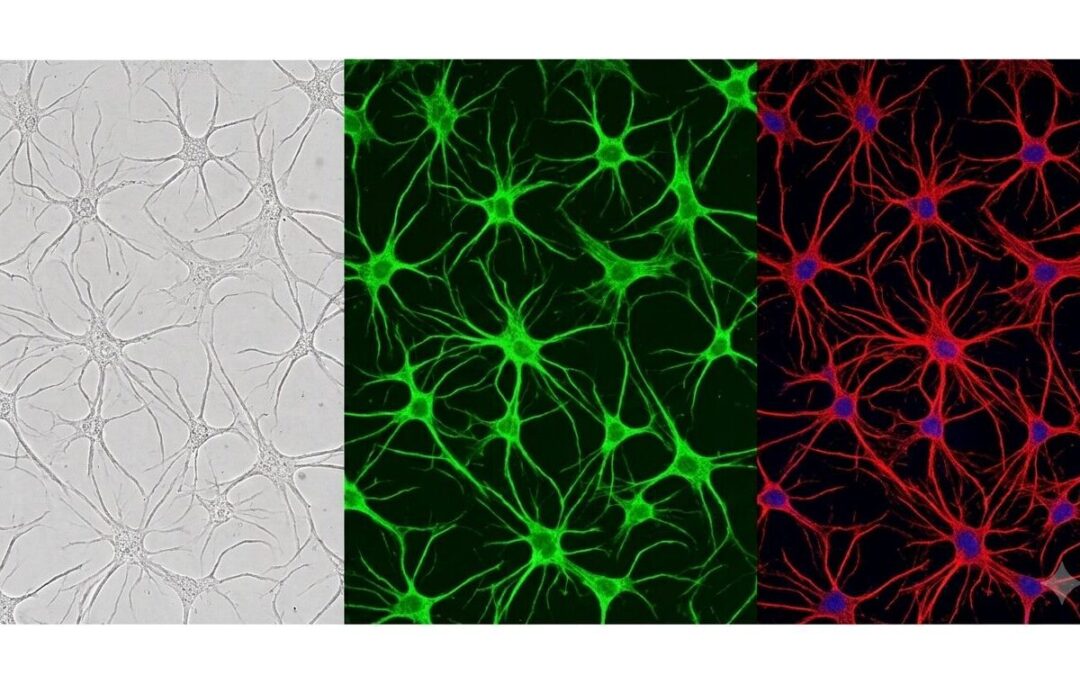
The influence of the microbiome-metabolism axis reaches well beyond peripheral organs, extending deeply into the central nervous system. Microbial metabolites, circulating inflammatory cytokines, and vagus nerve-mediated signaling transmit continuous stress and metabolic signals from the gut directly to the brain. Chronic neuroinflammation—driven primarily by the dysregulated activation of resident immune cells like microglia and astrocytes—is now recognized as a core pathophysiological feature in devastating neurodegenerative conditions, including Alzheimer’s disease, Parkinson’s disease, and amyotrophic lateral sclerosis (ALS).
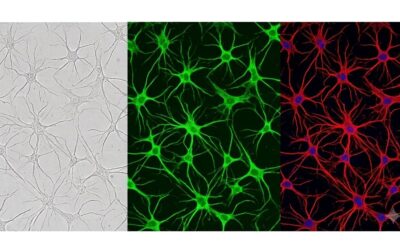
Dissecting these complex neural cascades requires the use of physiologically relevant and highly controlled in vitro and ex vivo modeling systems. Modern neuroscience assays utilize primary neuronal cultures, induced pluripotent stem cell (iPSC)-derived brain cells, and complex organotypic brain slice cultures to assess neurological responses accurately. These platforms are critical for evaluating:
- Microglial activation and phagocytosis: Measuring the release of key neuroinflammatory cytokines (e.g., IL-1β, TNF-α, IL-6) in response to varied stimuli.
- Astrocyte reactivity and barrier function: Evaluating blood-brain barrier (BBB) integrity, permeability, and the provision of essential neurotrophic support.
- Synaptic connectivity and neural plasticity: Utilizing high-content imaging techniques and electrophysiological assessments to track changes in dendritic spines and overall network activity.
Understanding precisely how peripheral metabolic alterations and gut-derived factors trigger central neuroinflammation is opening entirely new, and highly promising, therapeutic avenues. This research is critical not only for tackling classical neurodegenerative disorders but also for mitigating cognitive impairments induced by systemic cancer treatments, commonly referred to as “chemobrain.”
Author Bio
Dr. Emily R. Coleman is a senior scientist at Creative Biolabs with a background in immunology, oncology research, and translational biotherapeutic development. Her work focuses on translating complex biological mechanisms into practical experimental strategies for next-generation therapeutic discovery, spanning both immune system biology and disease modeling platforms.
In addition to her core expertise in tumor immunology and antibody engineering, Dr. Coleman has contributed to cross-disciplinary research initiatives involving neurodegenerative disease modeling and human cell-based assay development. Her recent work includes supporting integrated preclinical research strategies that leverage advanced in vitro systems, including human-derived cellular platforms relevant to neurodegeneration research.
At Creative Biolabs, she provides scientific insight across multiple R&D domains, including antibody discovery and development, gene and cell therapy research, and translational assay design. She is particularly focused on improving the connection between mechanistic biology and predictive preclinical models to support more effective therapeutic development across complex disease areas, including neurodegenerative disorders and immune-related diseases.