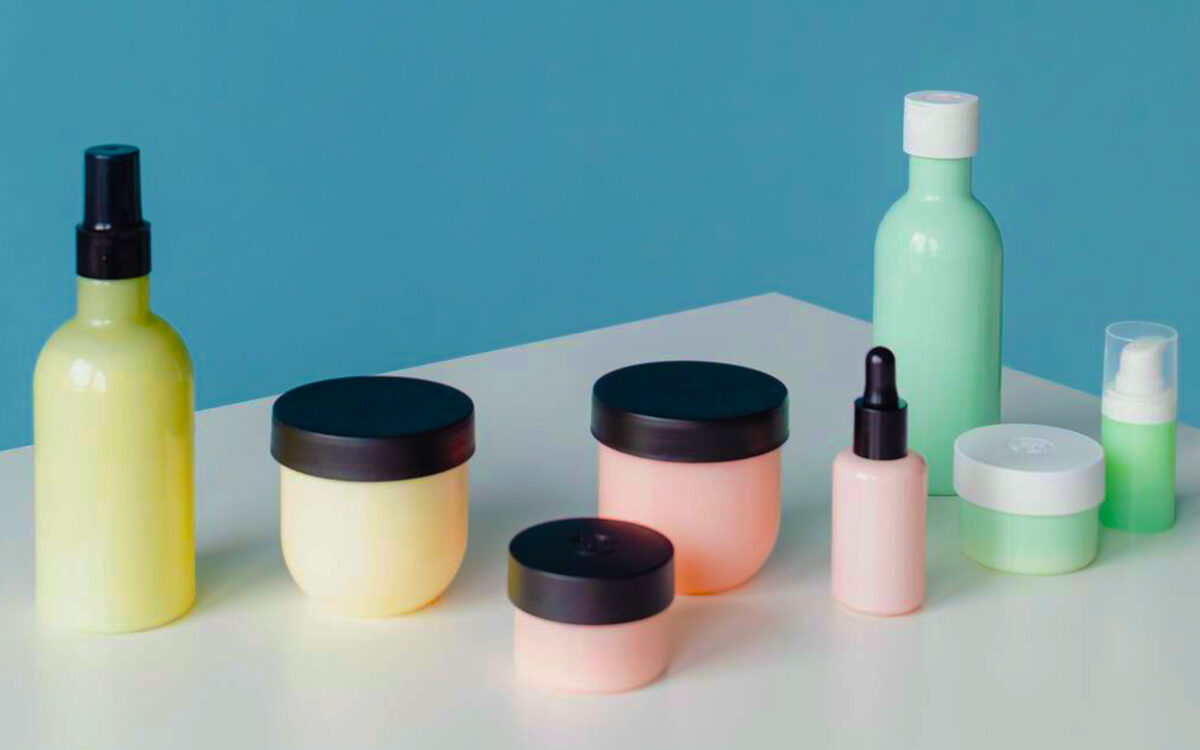
Cosmetics regulation rarely makes it onto the radar of pharma, biotech, or medical device professionals. It probably should, at least for the next few years. The European Union is in the middle of building two overlapping restriction regimes, one for PFAS and one for intentionally added microplastics, and cosmetics sit near the centre of both.
Two restrictions, one target industry
The EU already has a binding rule against intentionally added microplastics. Commission Regulation (EU) 2023/2055 came into force in October 2023 and inserted Entry 78 into REACH (Registration, Evaluation, Authorisation and Restriction of Chemicals) Annex XVII. It covers synthetic polymer microparticles (SPM), which means solid polymer particles smaller than five millimetres that are organic, do not dissolve in water, and break down very slowly in the environment. According to the European Chemicals Agency (ECHA), personal care products are responsible for about one third of all intentionally added microplastic releases into the EU environment each year.
The ban is not immediate for every product. Rinse-off cosmetics such as shampoos, shower gels and body scrubs must meet the new rules by October 2027. Leave-on products including moisturisers and serums have until October 2029. Colour cosmetics, lip products and nail products, which are the most difficult to reformulate, are given until October 2035.
PFAS and microplastics in cosmetics: functional roles and restrictions
The headline chemicals get the attention, but the more useful way to understand this restriction is by function, not molecule. PFAS in cosmetics typically show up doing very specific jobs: water resistance in long-wear foundation and mascara, slip and spreadability in primers, film formation that gives a product its transfer-proof claim. Microplastics play similar structural roles, as exfoliants in scrubs, as the shell material in encapsulated fragrance systems that control scent release, and as film-formers and thickeners in a wide range of leave-on products. A lot of brands assumed they’d already solved the microplastics problem by removing visible exfoliating beads years ago. The REACH definition is broader than that. It captures common thickeners, opacifiers, and encapsulation polymers that most formulators weren’t thinking of as microplastics at all, which is part of why compliance gap analyses are turning up more exposure than expected.
What reformulation actually looks like from inside a lab
Regulatory summaries rarely capture the real work involved in reformulation. Replacing a restricted ingredient isn’t a one-for-one substitution. A new film former or emulsion system needs full stability testing again, since shelf life and how the product holds up under temperature swings can shift completely with a different polymer. Performance and feel must also be rechecked, as many alternative ingredients fall short on wear time, water resistance or texture unless the formula is rebuilt around them.
Supply is another constraint. Commercial volumes of suitable replacements do not yet exist for every role that PFAS and synthetic polymer microparticles currently fill, especially in long-wear colour cosmetics. That shortage is the main reason the category received the longest transition period, running to 2035.
Industry guidance puts a realistic reformulation cycle at two to five years once the target ingredient is chosen. The leave-on cosmetics deadline already sits inside that window. A future PFAS restriction could arrive with even less lead time. Brands that have not yet begun proper ingredient audits therefore have less time than the published dates suggest.
The health science behind the pressure
It helps to be clear about the evidence that is pushing regulators on PFAS.
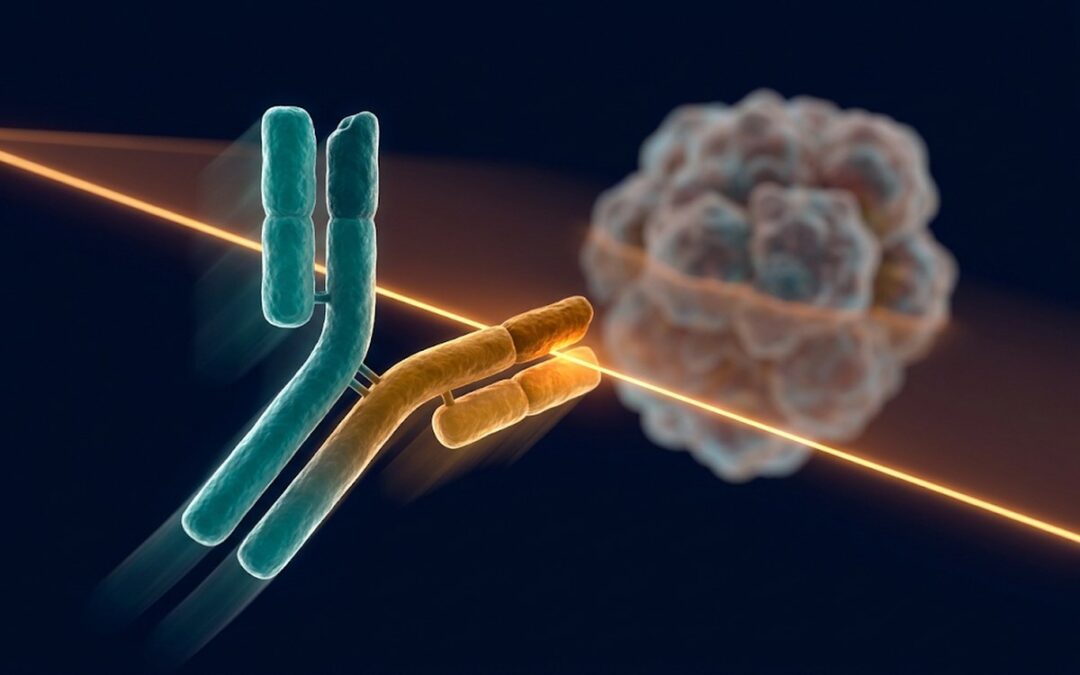
The National Academies of Sciences, Engineering, and Medicine’s 2022 review found sufficient evidence that PFAS exposure is linked to a reduced antibody response after vaccination and dyslipidaemia for children and adults. A 2023 laboratory study published in Chemosphere showed that mixtures of PFAS lowered the activation of human T cells and basophils, adding a mechanistic layer to the epidemiological findings. Other reviews have reported similar patterns in children, including weaker vaccine antibody responses and changes in immune development.
None of this research focuses only on cosmetics. People are exposed to PFAS from many sources. Still, this body of toxicology is what sits behind regulatory pressure, and it shows that the push for restriction is driven by health data rather than consumer trends alone.
Why this should matter beyond cosmetics
Cosmetics regulation is a useful proving ground for the EU precisely because it’s a large, visible, consumer-facing sector where enforcement is politically easier than it is in industrial or medical applications. The claims substantiation standards, definition boundaries, and derogation processes ECHA is working out right now for cosmetic PFAS and SPM uses tend not to stay contained to cosmetics. The Chemicals Strategy for Sustainability that underpins both restrictions explicitly aims at a “one substance, one assessment” model across sectors, and PFAS restriction proposals already cover categories well beyond personal care, including medical applications, sealing, and printing. Regulatory affairs teams in pharma, device manufacturing, and diagnostics who assume this is someone else’s compliance problem are likely to find the same definitional fights, the same derogation battles, and the same enforcement posture arriving in their own restriction dossiers within a few years.
The practical takeaway for a life science audience isn’t that cosmetics regulation is suddenly interesting for its own sake. It’s that watching how the EU builds, phases in, and enforces a restriction against an industry with less political cover than pharma is a reasonable way to anticipate what’s coming for everyone else.
Author Bio